




I used to think Korean makeup was just about glass skin and gradient lips. Then I spent three weeks diving deep into the Korean beauty community last month, watching tutorials at 2am and ordering products I couldn’t even pronounce. What I discovered completely shifted how I think about this entire aesthetic.
What We’re Covering Today
The Short Answer
Korean makeup has evolved way beyond the dewy, no-makeup makeup look everyone talks about. In 2026, it’s actually become more diverse and experimental than Western makeup in some ways. The glass skin obsession? That’s just one tiny corner of what’s happening.
Here’s what really caught my attention: Korean makeup artists are using techniques that prioritize skin texture and dimension over coverage. They’re building looks in thin layers, focusing on how light hits the face rather than just color placement. It’s like architecture for your features.
The biggest misconception I had was thinking it was all about looking “natural.” Some of the most stunning Korean looks I’ve seen lately are bold, graphic, and completely unapologetic. The difference is in the execution — everything feels intentional rather than overdone.
How It Actually Works
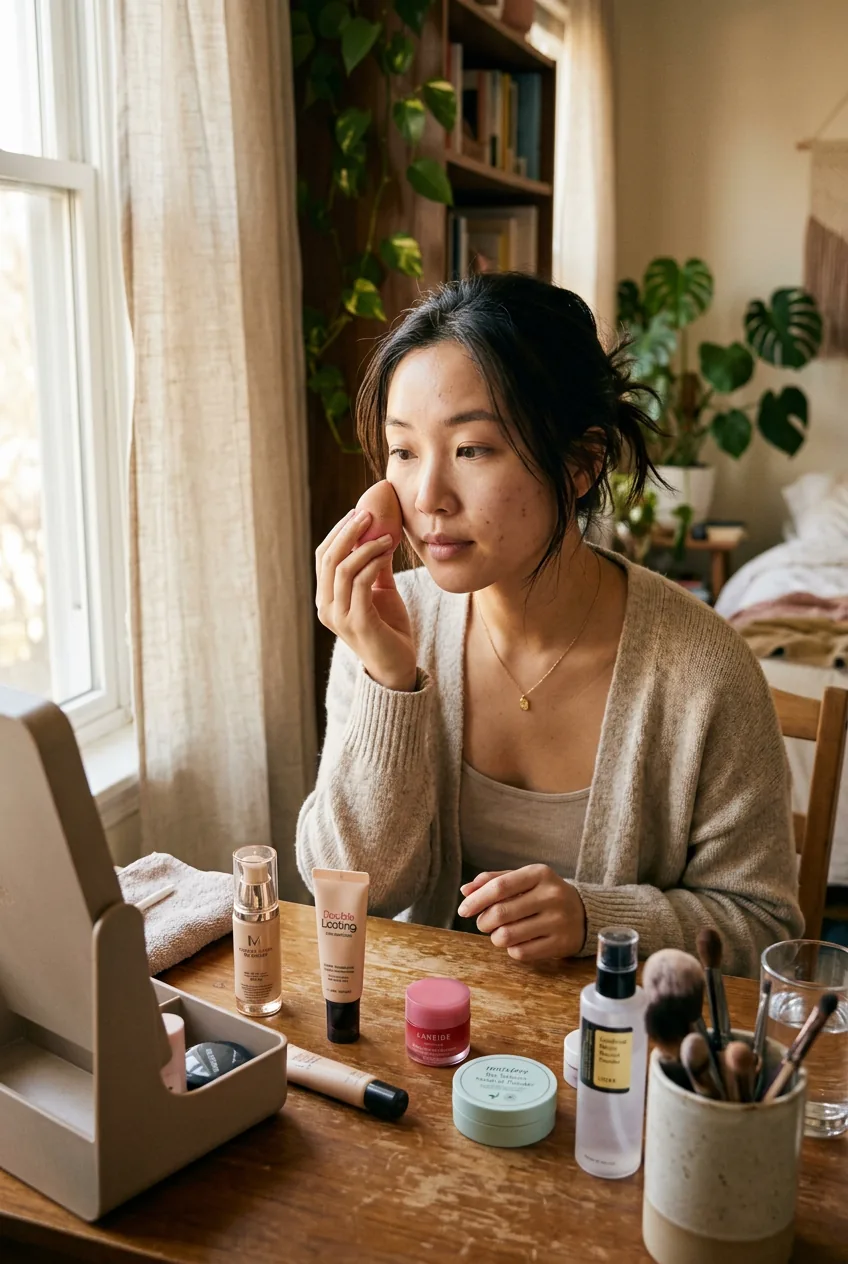
The foundation (literally) of Korean makeup philosophy is skin preparation. But not the way you think. Instead of piling on moisturizers and primers, they focus on selective hydration — adding moisture only where your skin actually needs it.
I learned this the hard way when I tried to copy a look and my foundation looked cakey within two hours. Korean base makeup works because it’s applied in sections. Oily T-zone gets different treatment than dry cheeks. Simple concept, but revolutionary for my routine.
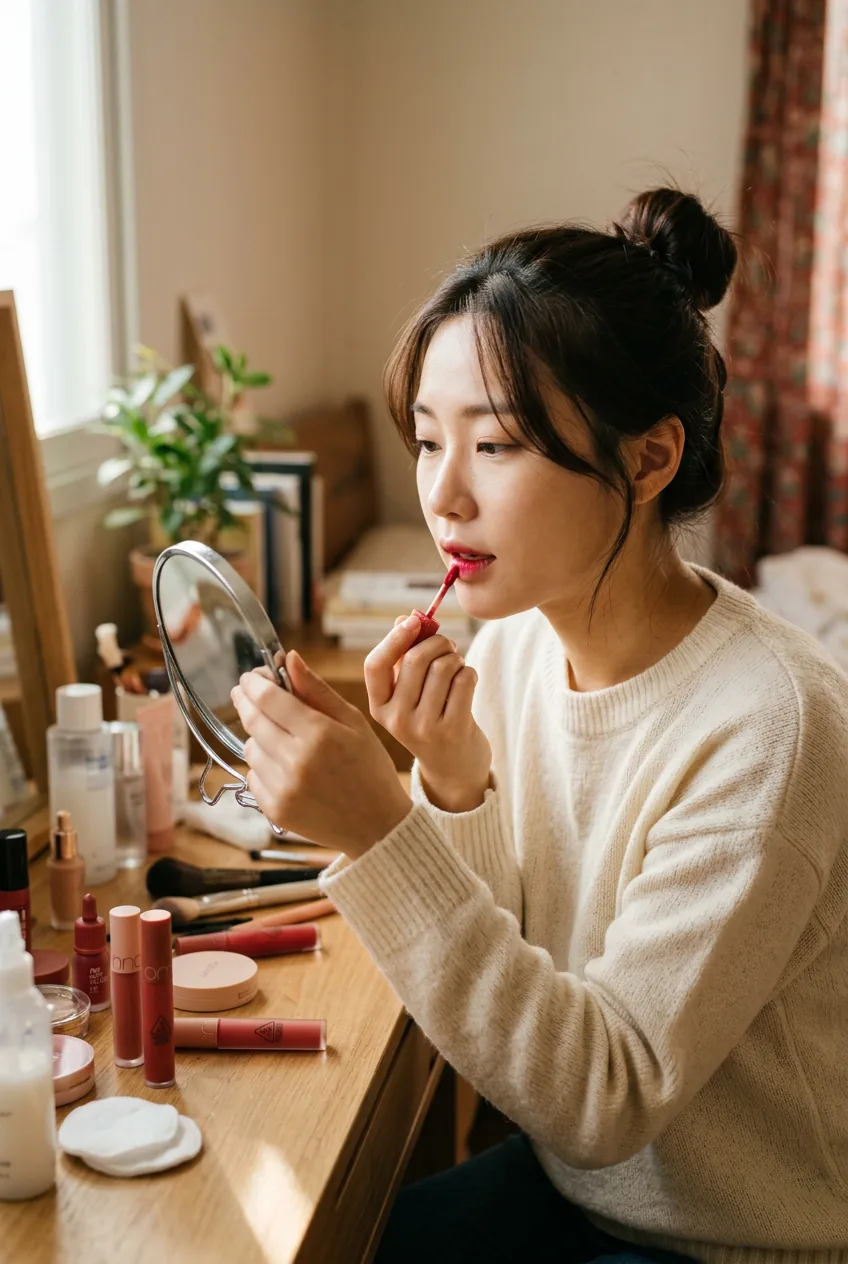
The color theory is fascinating too. Korean makeup artists use undertones as the primary color story, then add saturation on top. So instead of starting with “I want pink lips,” they think “I want cool undertones with warm accents.” It creates this cohesive look where everything feels connected.
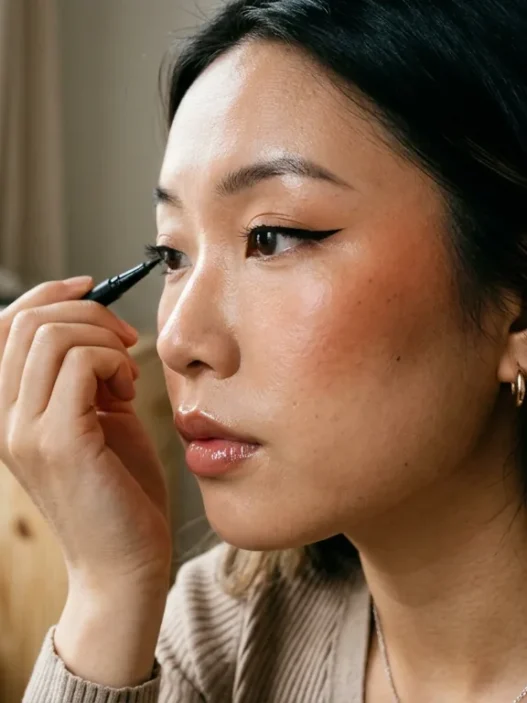
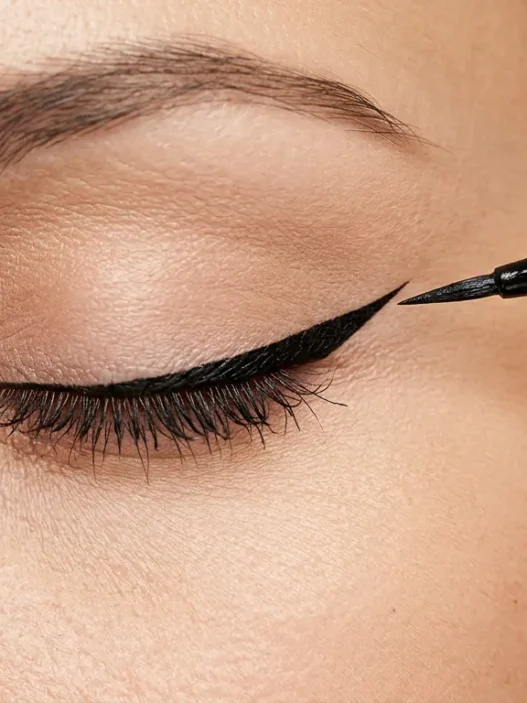
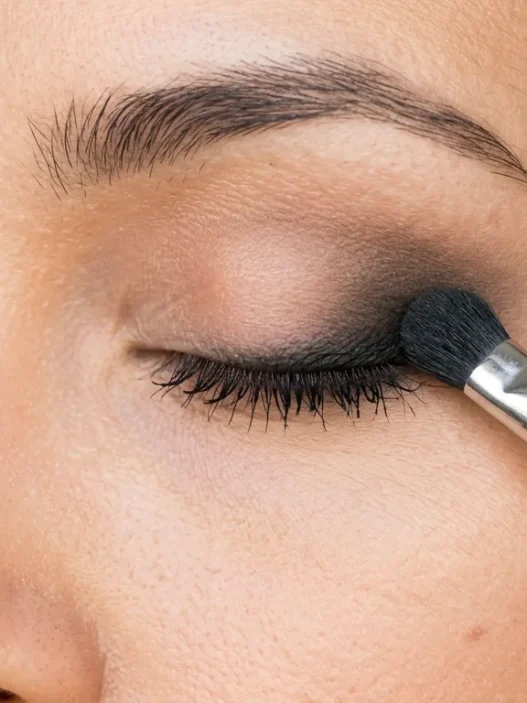
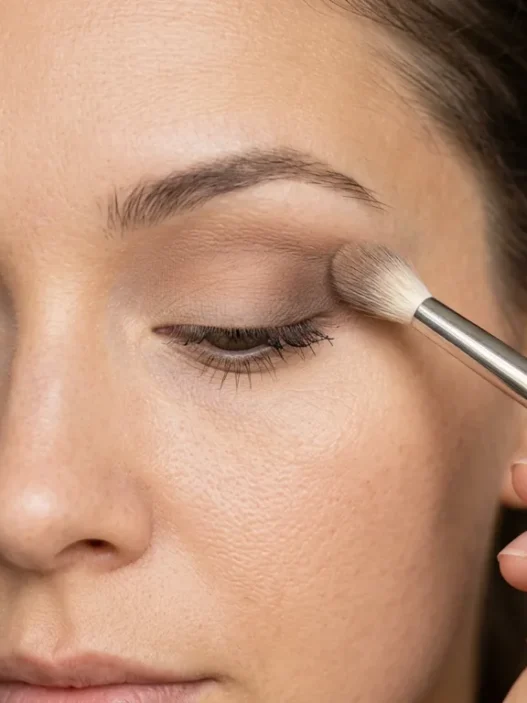
Eye makeup follows the same principle. They map out where shadows fall naturally, then enhance those areas rather than fighting them. That’s why Korean eye looks always seem to complement the person’s actual eye shape instead of trying to create a different one entirely.
Why It Goes Wrong
Most people copy Korean makeup techniques without understanding the reasoning behind them. They see the glass skin trend and think it means “use more highlighter.” Wrong. Glass skin comes from healthy skin texture, not shimmer products.
I made this mistake with gradient lips for months. I thought it was about blending lip tint from the center outward. But the real technique involves matching your natural lip color first, then adding the gradient effect. Without that foundation match, it just looks like you ate a popsicle messily.
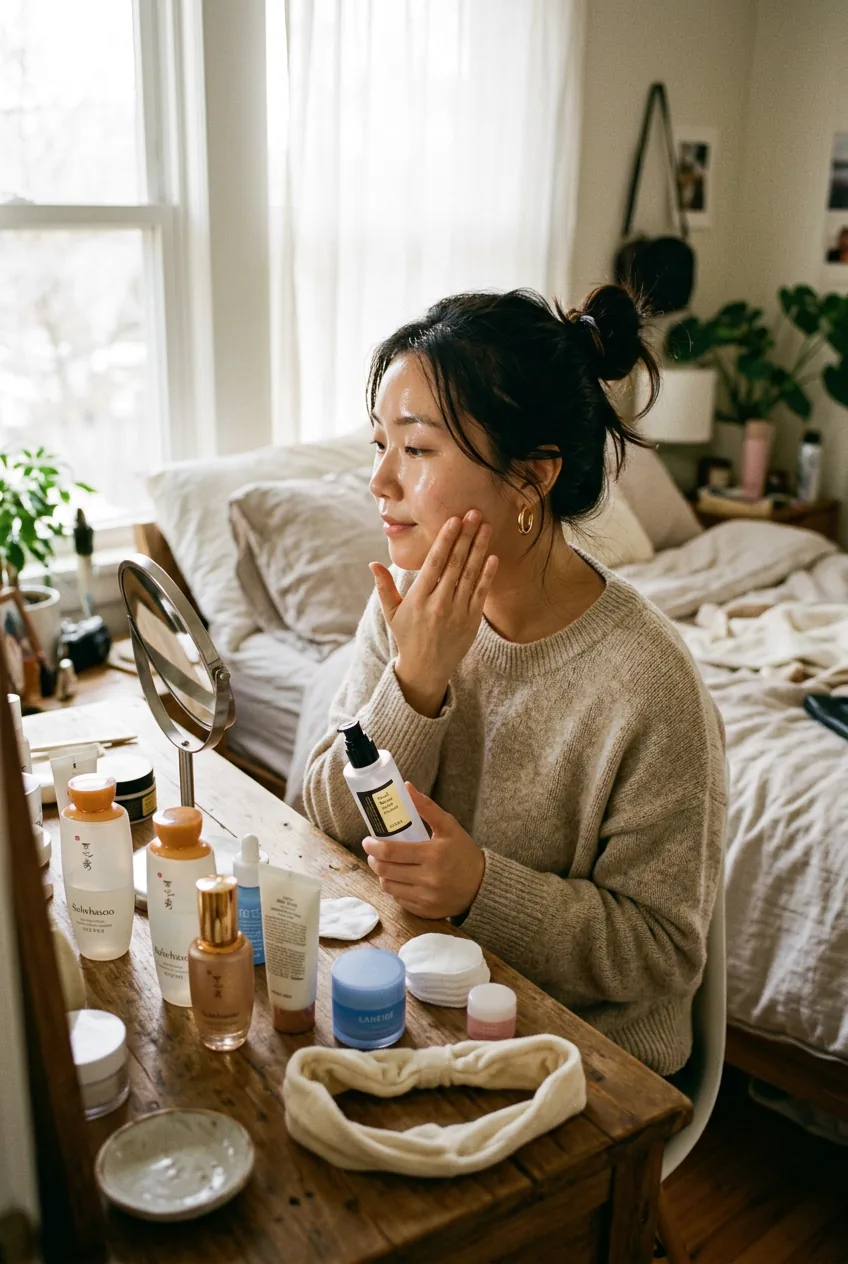
Another common issue: product order matters more in Korean makeup than Western techniques. Layering products incorrectly can break the entire look. Toner before essence, essence before serum, serum before moisturizer — and that’s before you even touch makeup.
The biggest failure I see is people trying to rush the process. Korean makeup looks effortless but takes time. Each layer needs to set before adding the next. Skip the waiting periods and you’ll get that muddy, separated look that makes people think Korean makeup “doesn’t work” on their skin.
What This Means for You
If you’ve been frustrated with Korean makeup techniques, you’re probably approaching them with Western makeup logic. The mindset shift is crucial: think enhancement instead of transformation.
Start by identifying your skin’s natural patterns. Where does light hit your face when you smile? Where do shadows naturally fall? Korean makeup works with these patterns, not against them. I spent twenty minutes just observing my face in different lighting before attempting any new technique.
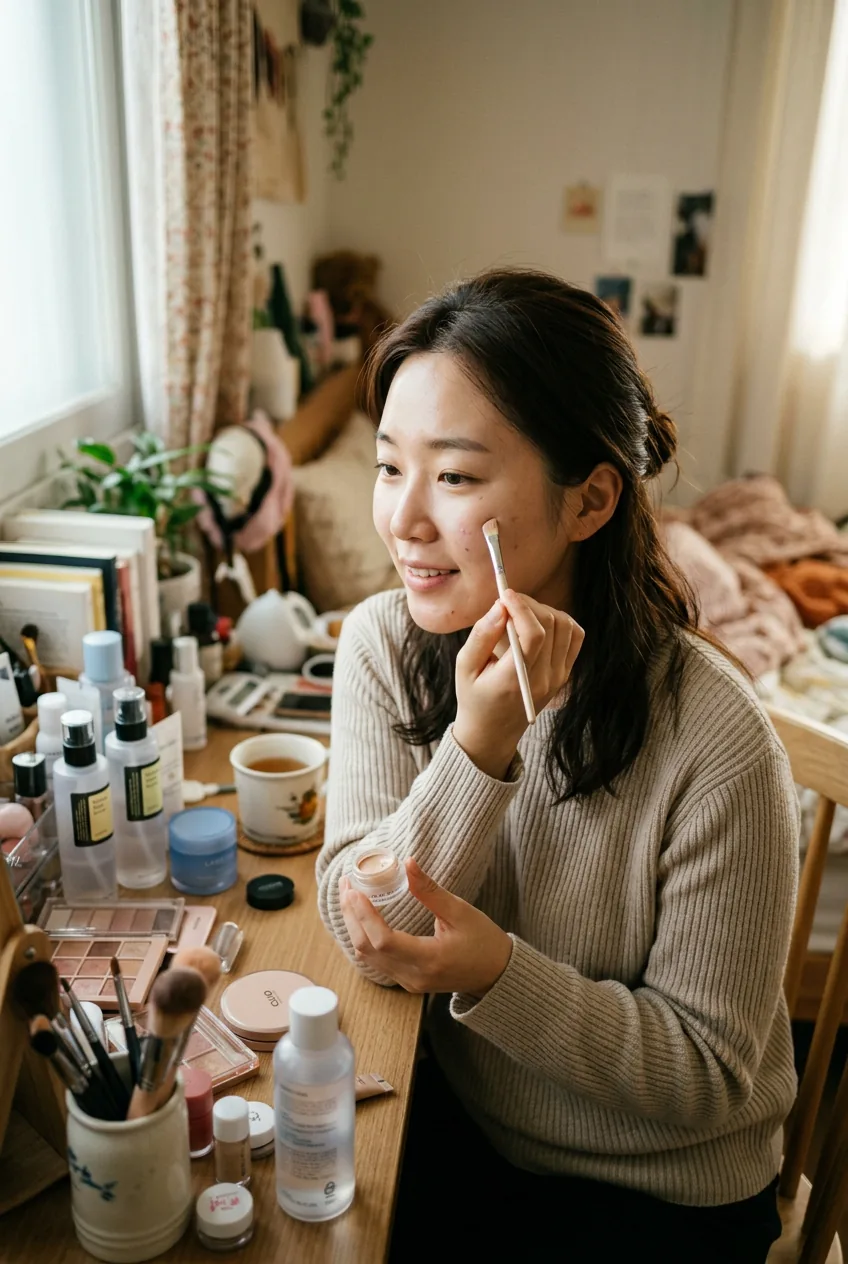
For beginners, I recommend starting with one Korean technique at a time. Master gradient lips before attempting the full glass skin routine. Perfect your base before trying Korean-style eye makeup. Building slowly lets you understand how each element affects the others.
Color matching is different too. Korean makeup emphasizes undertones over surface color, so your usual foundation shade might not work. I had to go half a shade lighter and add warmth back with blush rather than trying to match my surface skin tone exactly.
The Real Game Changers
The techniques that completely changed my makeup game weren’t the obvious ones. Everyone talks about cushion foundations and lip tints, but the real magic happens in the details.
Spot concealing instead of full coverage. Korean makeup artists conceal individual blemishes and leave the rest of their natural skin texture visible. It looks more realistic than coating everything in foundation. Plus your skin can actually breathe.
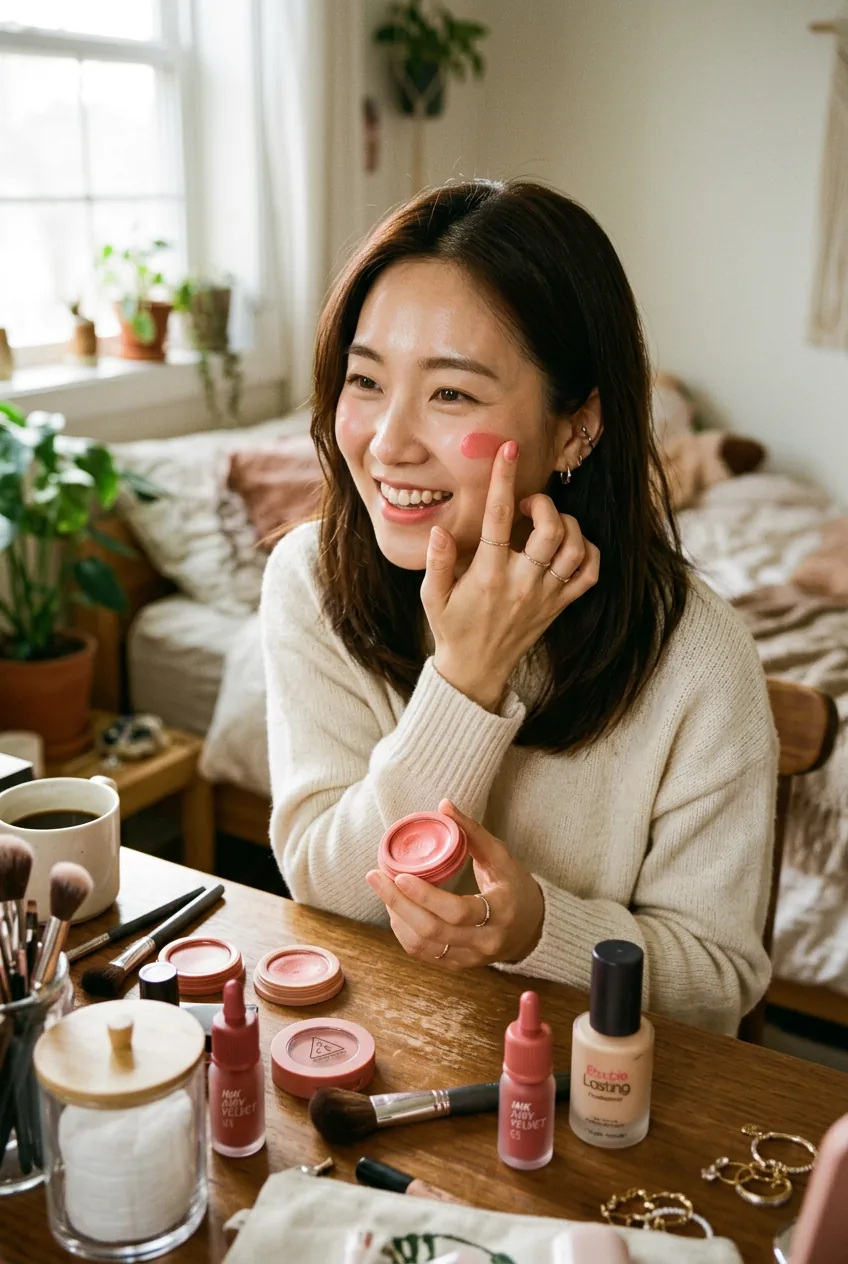
Blush placement for face mapping. Instead of just hitting the apples of the cheeks, they use blush to subtly reshape facial proportions. Higher placement lifts the face, lower placement adds warmth. I never realized how much blush placement could change my entire look until I tried this.
Eyebrow brushing techniques. The difference between Korean brows and Western brows isn’t the shape — it’s the hair direction. Korean brow techniques focus on creating natural hair flow patterns rather than just filling in sparse areas.
But here’s my controversial take: not all Korean makeup techniques suit every face. The aegyo sal (under-eye bags) trend that’s huge in Korea? It can look strange on deeper-set eyes. Some makeup looks trending this spring work better when you adapt the concept rather than copying exactly.
Korean beauty products have gotten so much better in the past two years too. The quality is there, but you still need to understand how to use them properly.
Watch This Technique in Action
Quick Questions I Get About This
Is Korean makeup actually better for your skin?
It’s gentler because it uses thinner layers and focuses on skin health first. Whether that’s “better” depends on your skin’s needs and your lifestyle. I personally love how my skin looks and feels after switching to Korean-inspired techniques.
Do you need special products for Korean makeup techniques?
Not necessarily. The techniques matter more than the specific products, though some Korean formulations are designed to work with their application methods. I’ve recreated several looks using drugstore products I already owned.
How long does a full Korean makeup routine take?
Longer than you’d expect initially — about 45 minutes when you’re learning. But once you get the techniques down, it’s actually faster than my old routine because each step is more intentional and effective.
Can Korean makeup work on mature skin?
Absolutely. The focus on enhancing natural features and using strategic highlighting can be incredibly flattering on mature skin. The key is adapting the techniques for your specific concerns rather than following them exactly.
Korean makeup taught me that there’s no one “right” way to do makeup — there’s just what works for your face, your lifestyle, and your personal style. Sometimes the best beauty lessons come from completely rethinking what you thought you knew.