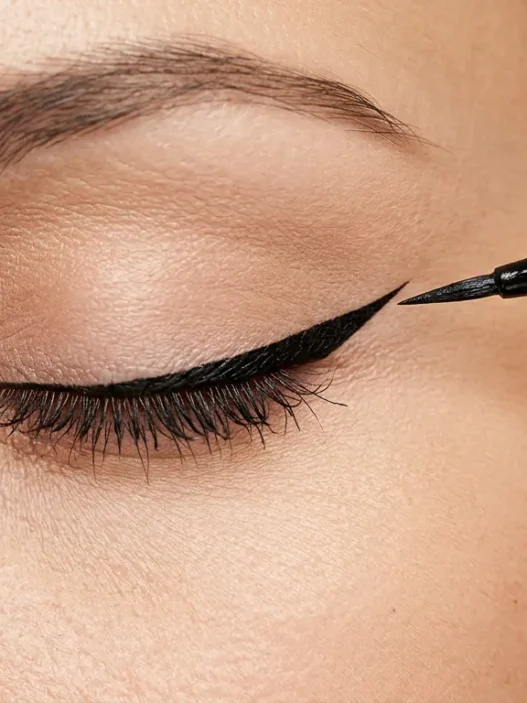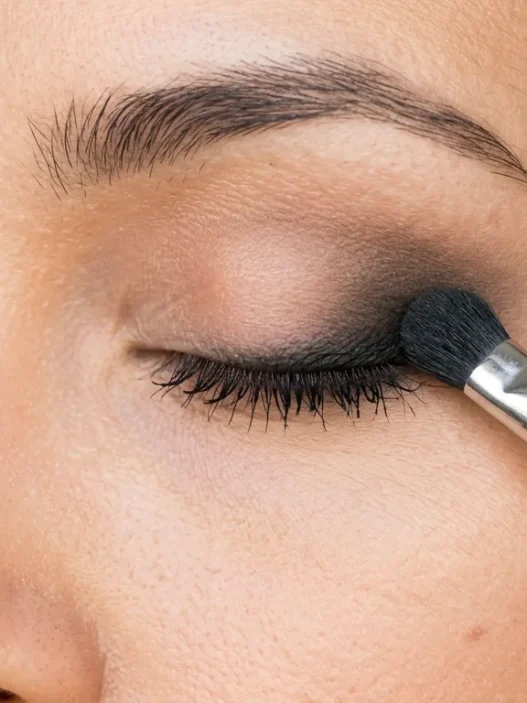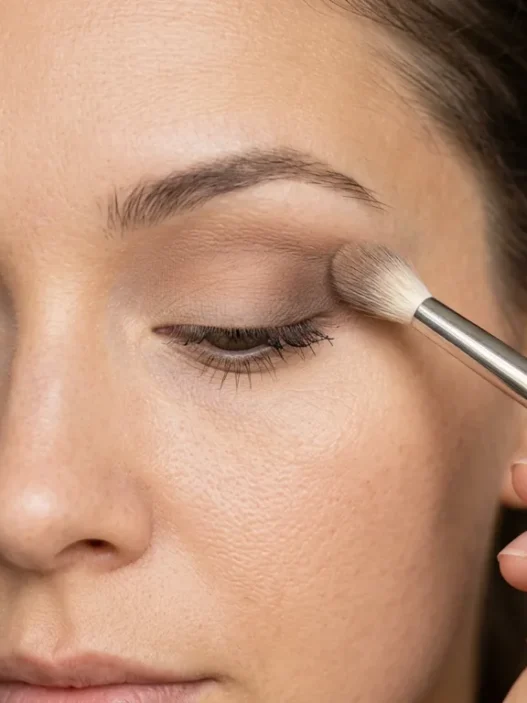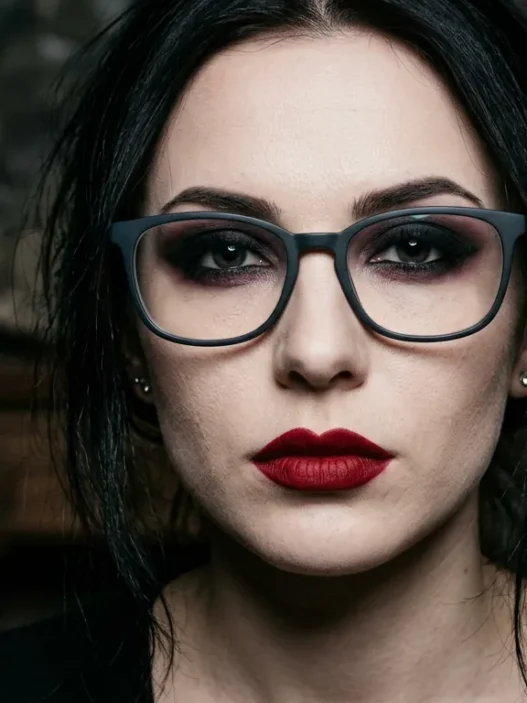





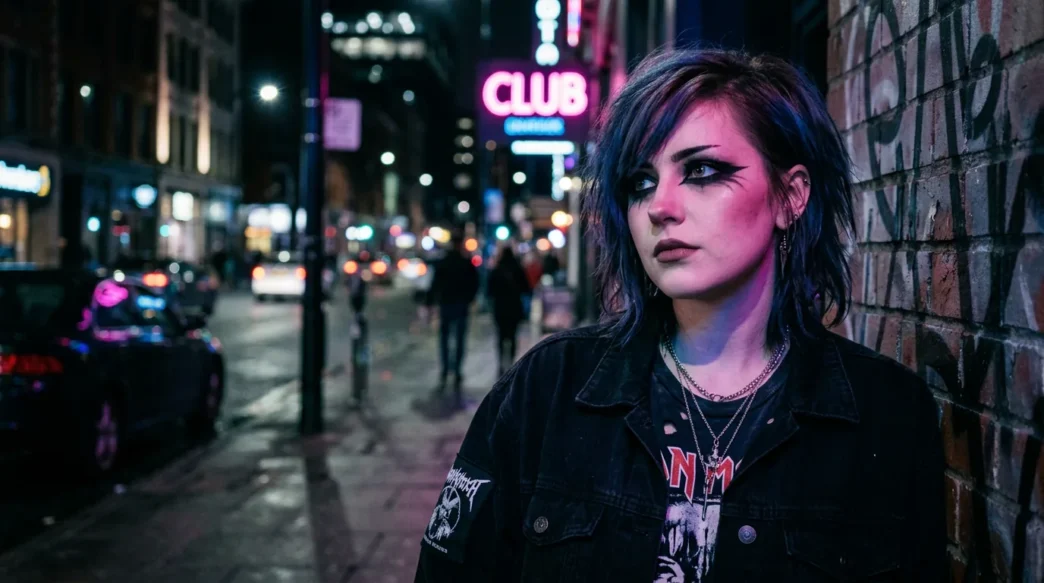
I was fifteen when I first drew a thick black line around my eyes and felt like myself for the first time. Not prettier. Not cooler. Just… me. Standing in my childhood bedroom mirror, raccoon-eyed and defiant, I had no idea that this moment would teach me more about identity than any self-help book ever could.
My Emo Makeup Journey
Where It Started
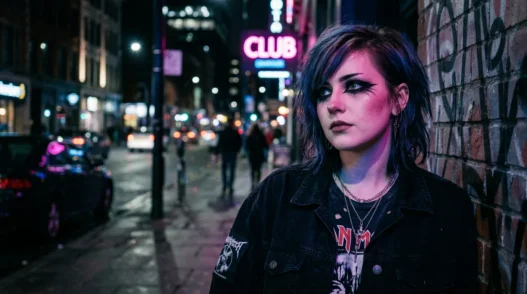
The first time I saw emo makeup, it was on a girl at Hot Topic who looked like she could burn down the world with just her stare. Thick kohl-rimmed eyes that seemed to go on forever. Pale skin that made the darkness around her eyes even more dramatic. She wasn’t trying to be pretty in the traditional sense — she was trying to be seen.
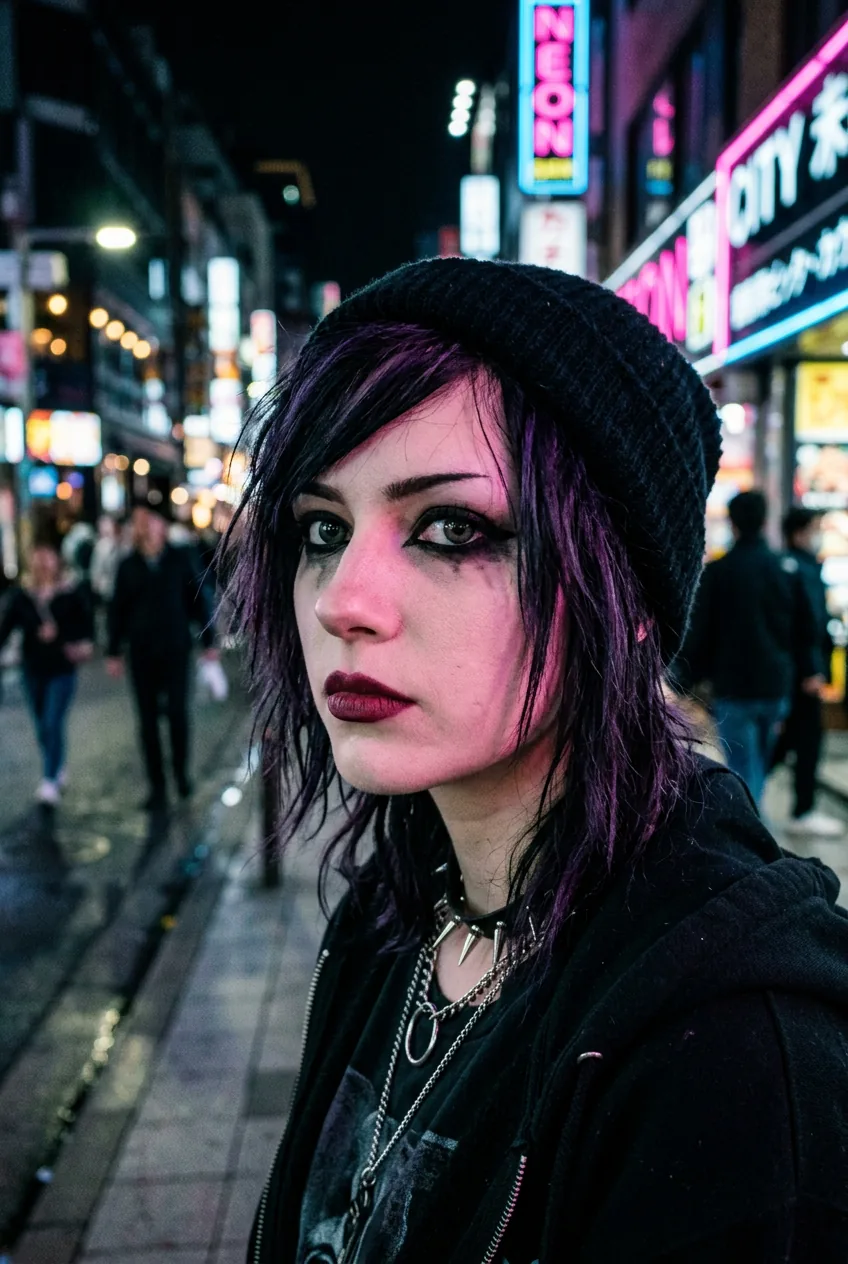
I went home and raided my mom’s makeup drawer. Found an ancient black eyeliner pencil that was probably older than my little sister. I had no YouTube tutorials, no TikTok guides. Just determination and a bathroom mirror. The result was… well, let’s just say I looked less “mysterious goth girl” and more “panda who got in a fight.”
But something clicked that night. When I looked in the mirror, I didn’t see the girl who got picked last in gym class or who ate lunch alone in the library. I saw someone who had something to say. The thick liner became my war paint. My armor. My middle finger to a world that wanted me to be smaller.
The Years I Got It Wrong
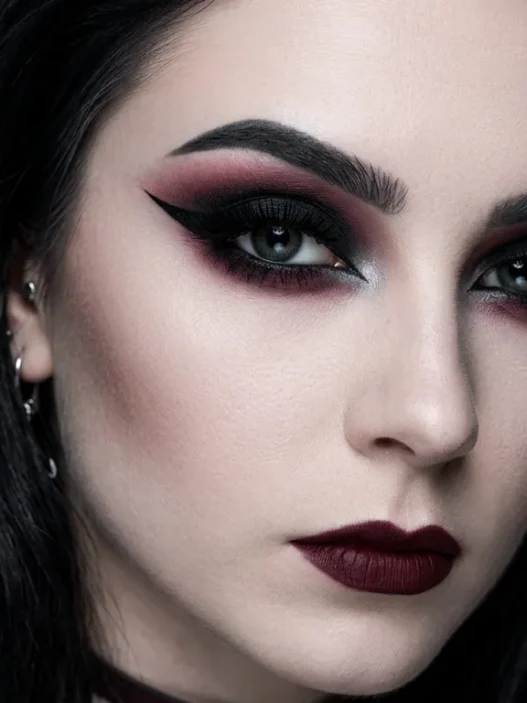
For years, I thought emo makeup was about looking as dramatic as possible. Heavier was better. Darker was stronger. I’d pile on layer after layer of black shadow, making my eyes into these smoky caverns that took up half my face. I thought I was being authentic, but really I was hiding behind the makeup instead of expressing myself through it.
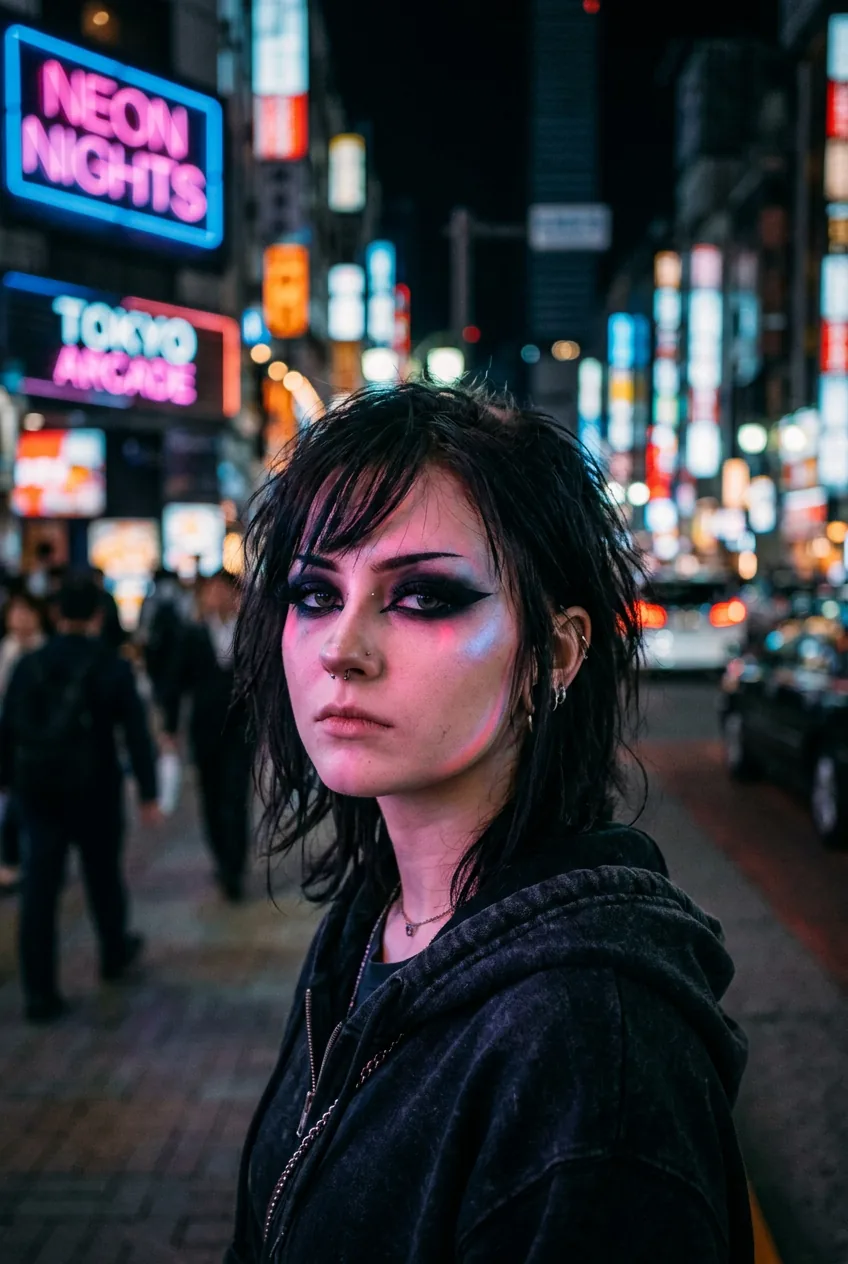
The worst part? I was so focused on the “rules” I thought existed. Black only. No shimmer allowed. Winged liner had to be sharp enough to cut glass. I was boxing myself into someone else’s idea of what emo should look like. Classic emo makeup techniques were becoming my prison instead of my freedom.
I remember one morning in college, rushing to get ready and accidentally smudging my perfectly applied liner. Instead of fixing it, I stopped and really looked at myself. The smudged, imperfect version looked… better. More real. More me. But it took me three more years to act on that realization.
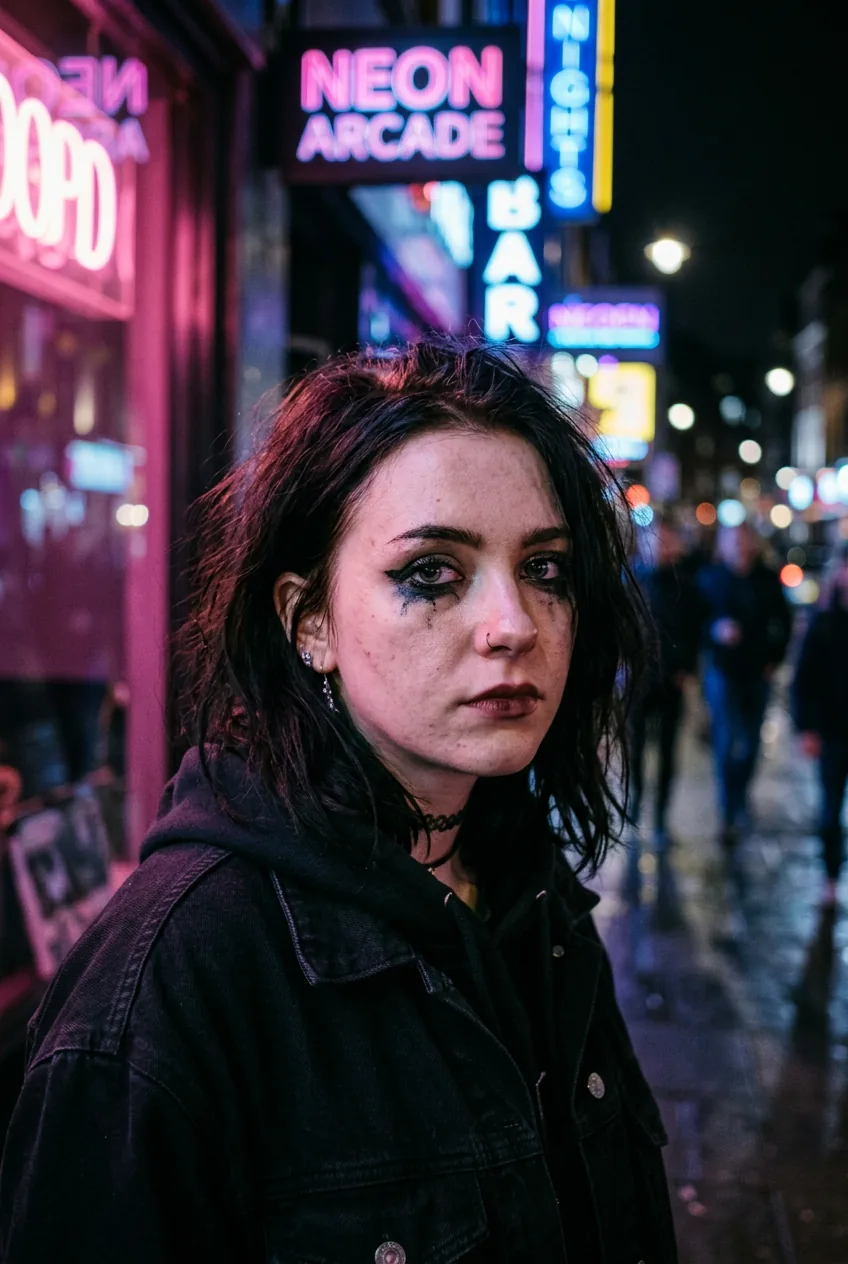
During this phase, I was also experimenting with what I now recognize as playful Halloween makeup — using my face as a canvas for dramatic expression, though I didn’t realize the connection at the time.
What Shifted
The shift happened slowly, then all at once. I started mixing deep purples into my black eyeshadow. Added touches of silver to my inner corners. Played with different textures — matte, satin, even (gasp) a little glitter. Each small rebellion against my own rigid rules felt like coming alive again.
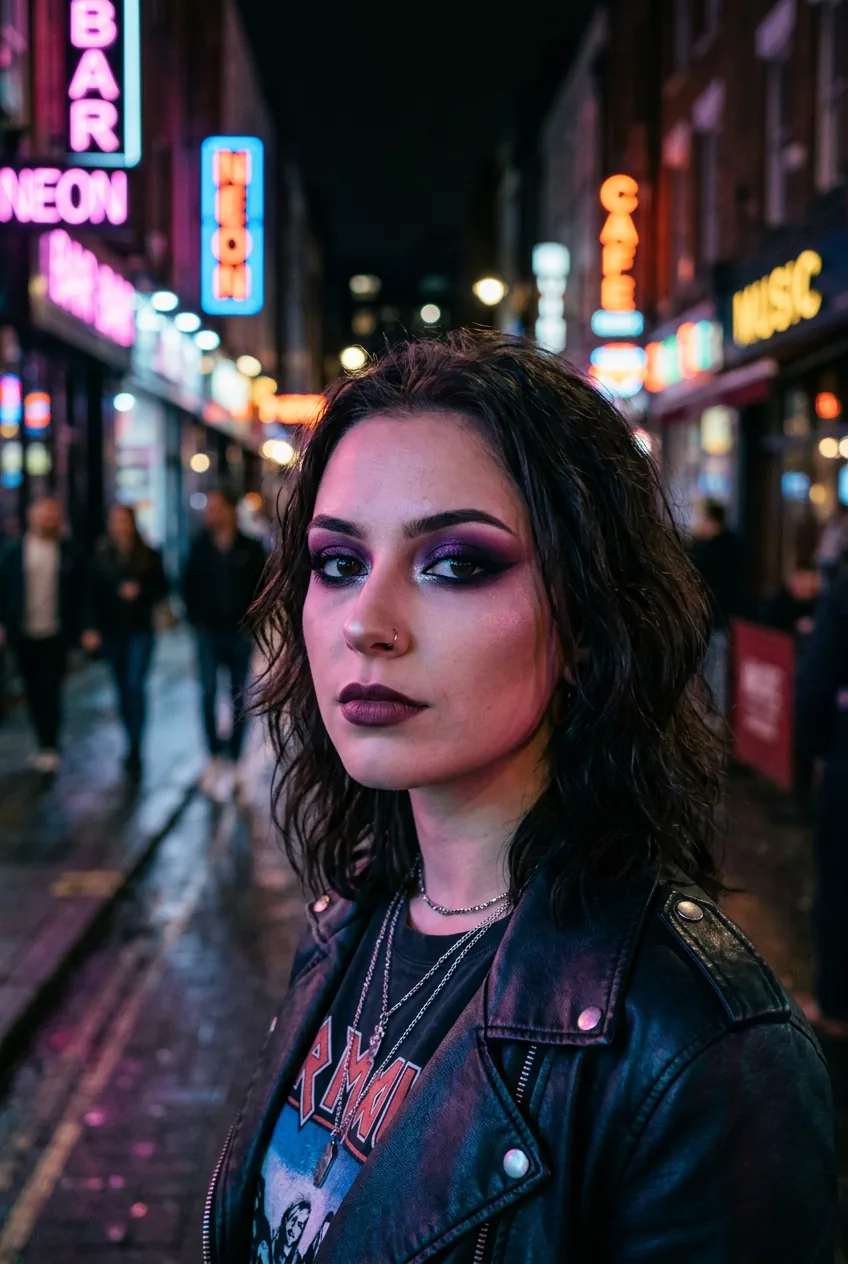
What really changed everything was meeting another emo girl who wore her eyeliner thin some days, thick others. Who sometimes did a sunset eye with oranges and reds mixed into her blacks. Who showed me that emo wasn’t a uniform — it was a feeling. An attitude. A way of saying “this is me, take it or leave it.”
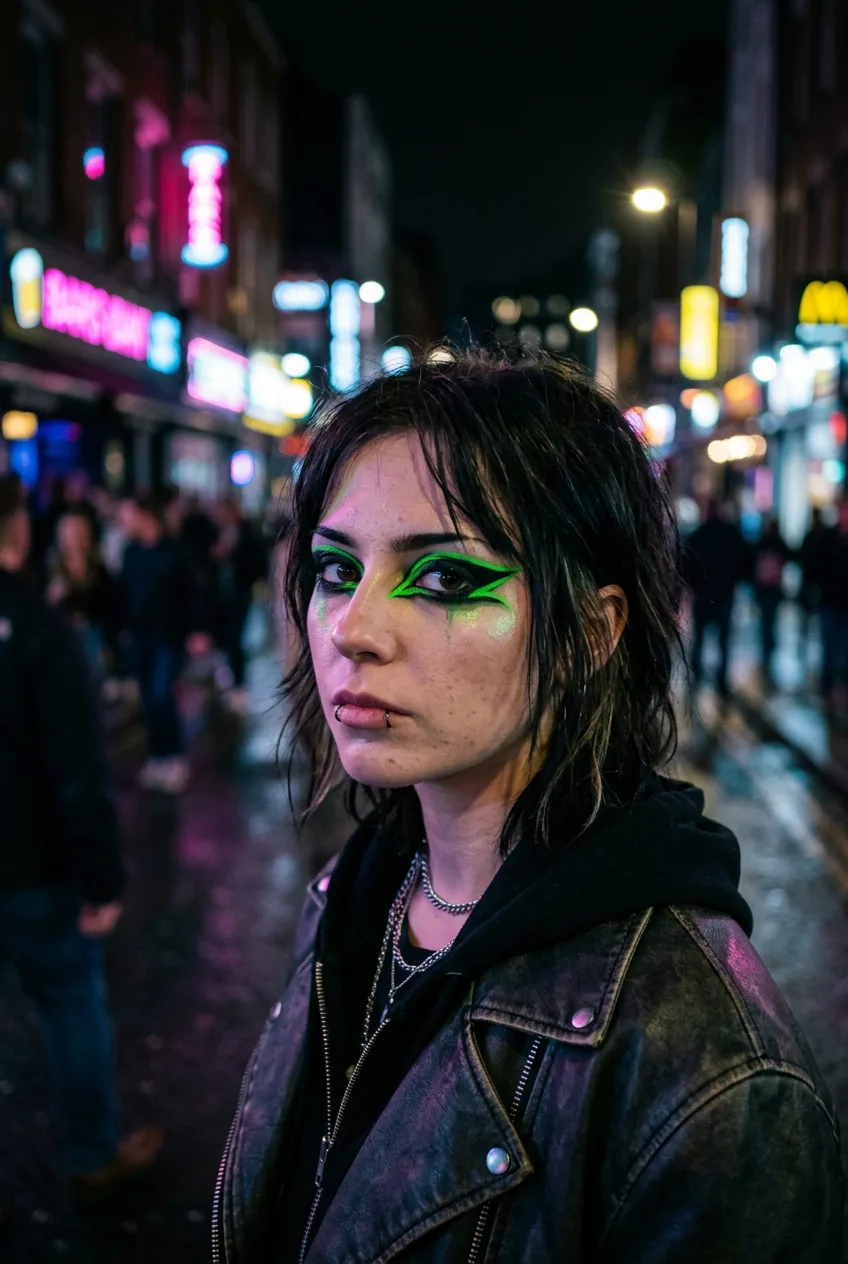
I started following makeup artists who were redefining what the look could be. Seeing someone do a graphic liner in deep forest green instead of black was revolutionary to my teenage brain. Emo makeup could evolve. It could be softer some days, bolder others. It could be whatever I needed it to be.
The real breakthrough was understanding that the darkness in emo makeup isn’t about being sad or angry all the time. Sometimes it’s about creating contrast — making your eyes pop, giving your face more dimension, creating mystery. Other times it is about anger or sadness, and that’s valid too. But it’s always, always about being intentional with how you present yourself to the world.
Watch How She Transforms the Classic Look
Where I Am Now
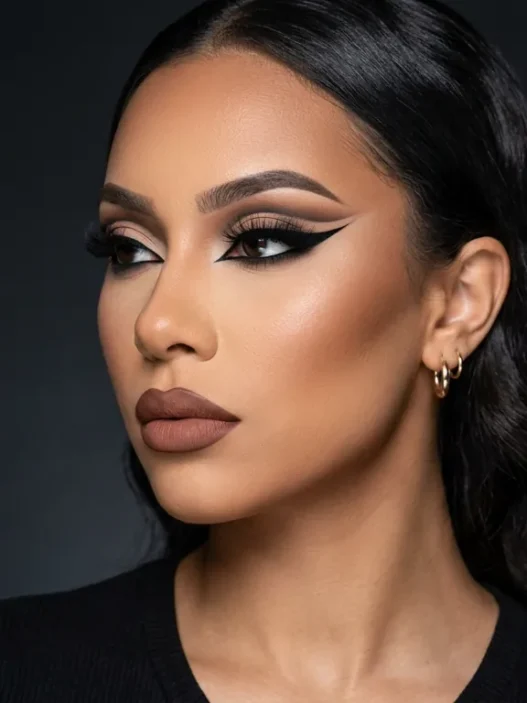
These days, my emo makeup looks different than it did at fifteen. Sometimes it’s a subtle dark liner with bronzed smoky eyes that nods to my roots while working in a corporate environment. Other days, when I’m feeling nostalgic or rebellious, I go full dramatic with the thick liner and dark shadow that first made me feel powerful.
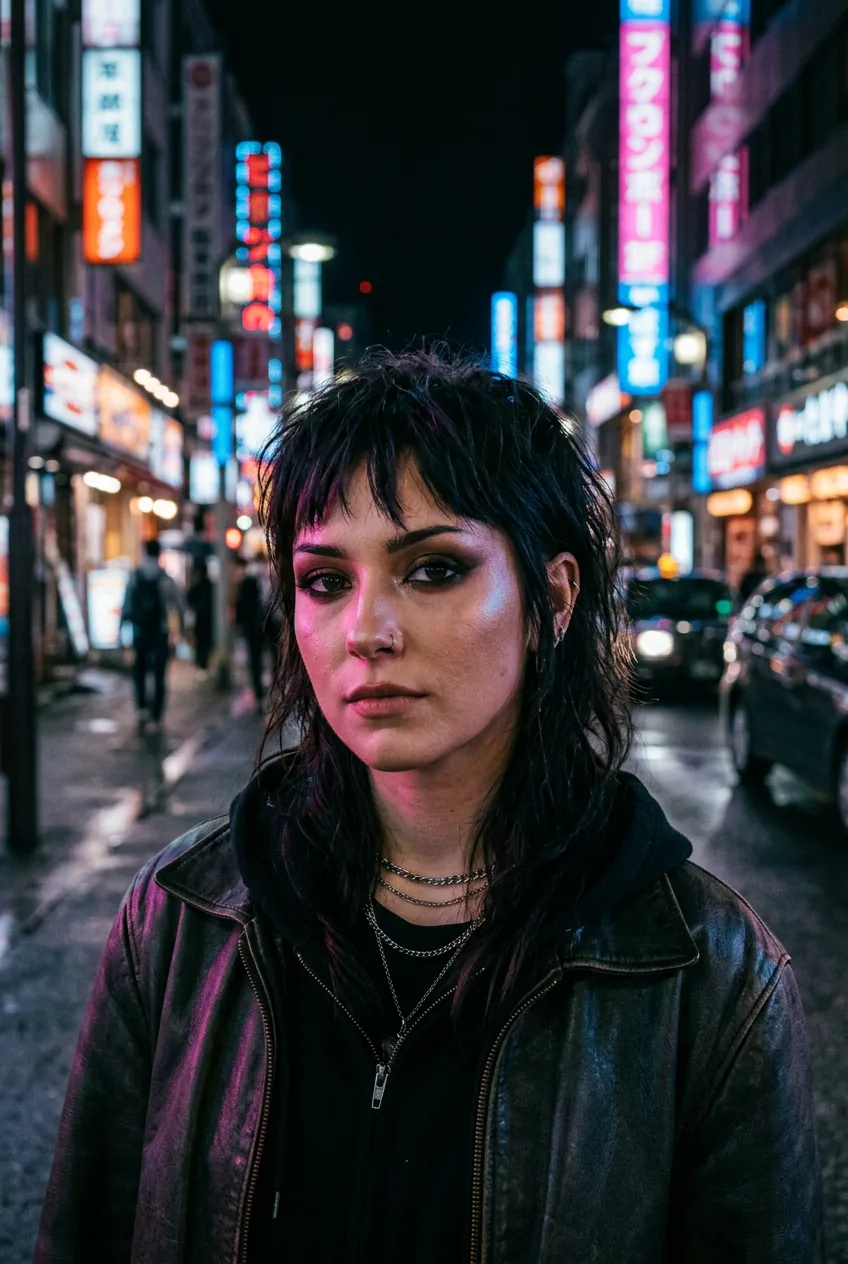
What I’ve learned is that emo makeup was never about the specific techniques or products. It was about using your face to tell a story. About refusing to disappear into the background. About claiming space in a world that often wants alternative people to stay quiet.
The fifteen-year-old me who first picked up that ancient eyeliner pencil was trying to figure out who she was. The makeup gave her permission to experiment, to be dramatic, to take up space. And maybe that’s what all makeup is really about — not covering up who we are, but amplifying the parts of ourselves we want the world to see.
I still do my eyeliner thick some mornings when I need that extra boost of confidence. When I need to remember that girl who looked at herself in the mirror and decided she was worth taking up space. Because at the end of the day, emo makeup taught me the most important beauty lesson of all: authenticity is the only look that never goes out of style.
Questions I Get About This Look
Is emo makeup still relevant in 2026?
Absolutely. The techniques might evolve and the products get better, but the spirit of emo makeup — using bold choices to express your authentic self — never goes out of style. I see it in Gen Z’s approach to graphic liner and Gen Alpha’s experimental eye looks.
Can you wear emo makeup to work?
It depends on your workplace, but I’ve found ways to incorporate elements into professional looks. A thin black liner instead of thick, or using dark browns instead of pure black can give you that edge while staying office-appropriate.
What’s the biggest mistake people make with emo makeup?
Thinking it has to look exactly like someone else’s version. Emo makeup is about personal expression, not copying a template. Start with the classic thick liner if you want, but make it yours.
How do you prevent raccoon eyes with heavy black makeup?
Waterproof formulas are your best friend, but also setting spray and powder. I learned this the hard way after too many smudged disasters in high school.