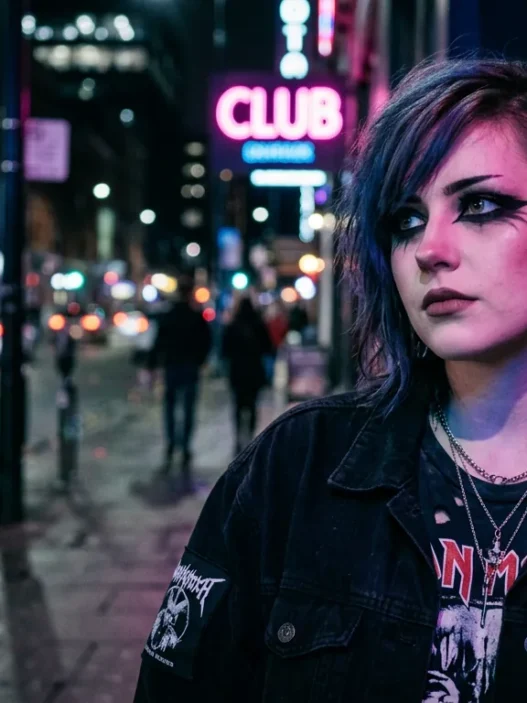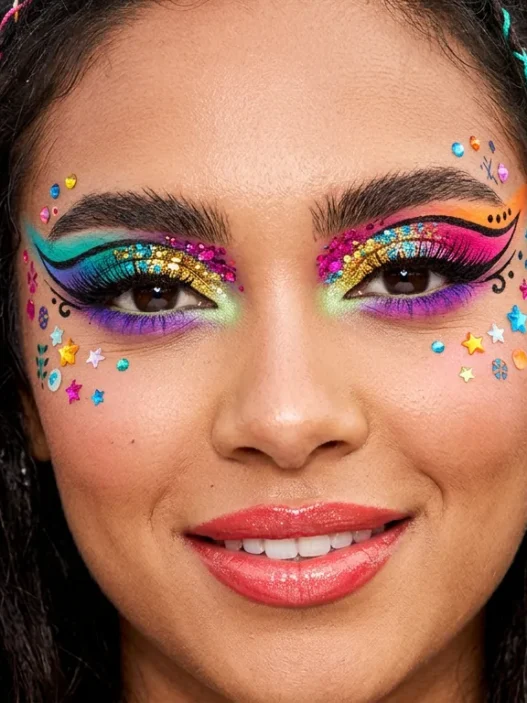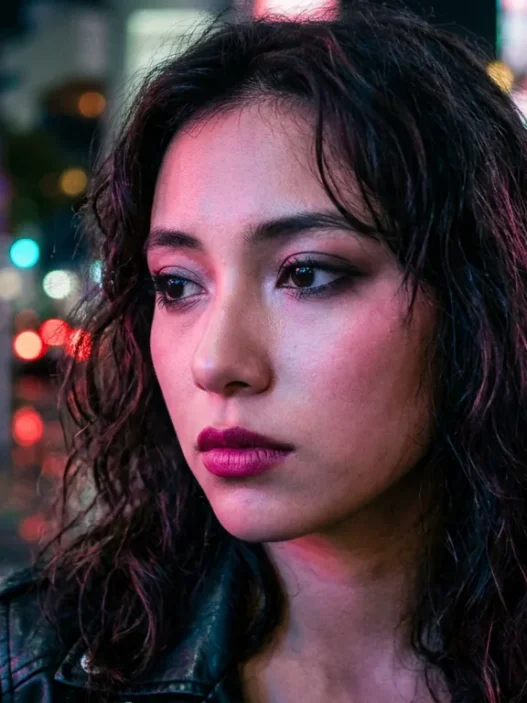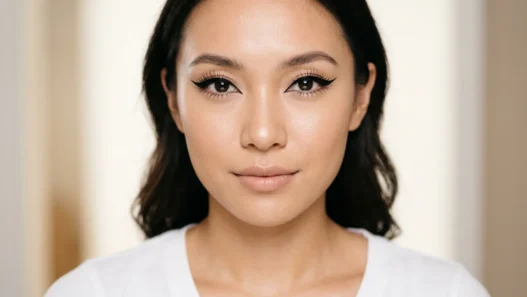




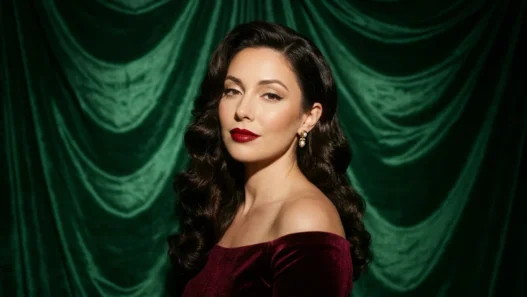
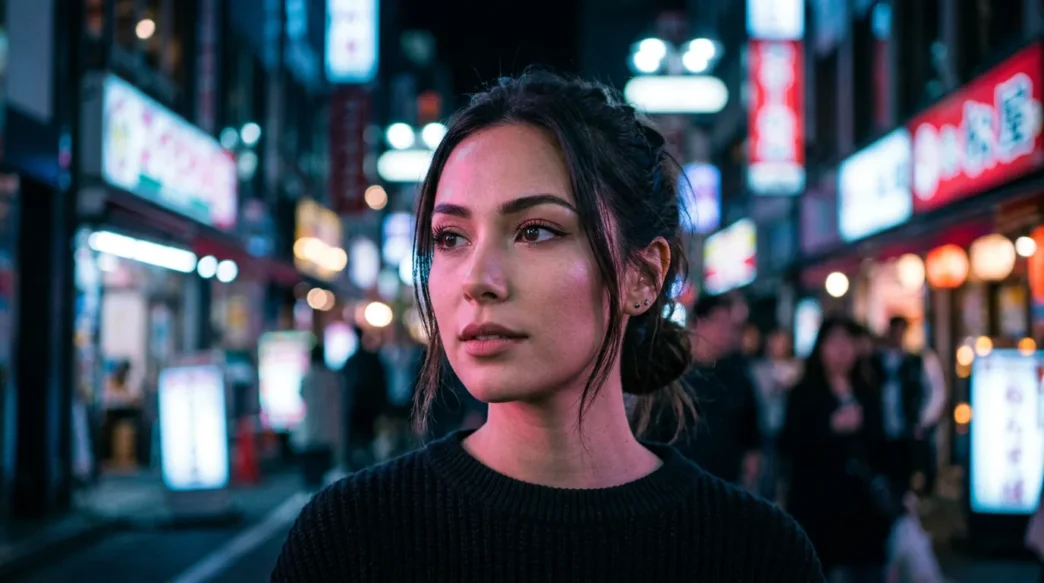
I’ve been doing dark makeup since 2018, back when we just called it goth or punk-inspired. Now suddenly everyone’s talking about “alt makeup” like it’s this revolutionary new aesthetic. But scrolling through TikTok last week, watching perfectly contoured cheekbones and ring light-perfected “edgy” looks, I had a realization that’s probably going to ruffle some feathers.
What’s Really Behind the Alt Makeup Trend
The Take
Alt makeup is just rebranded goth aesthetics with better lighting and more accessible products. We’re talking about the same dark lipstick, dramatic eyeliner, and pale foundation that goths have been perfecting for decades. The only difference? Now it’s packaged for a generation that discovered subcultures through algorithms instead of basement shows.
I love that more people are experimenting with dramatic makeup. But let’s not pretend this is some groundbreaking movement when it’s literally the same techniques I learned watching goth makeup tutorials on early YouTube.
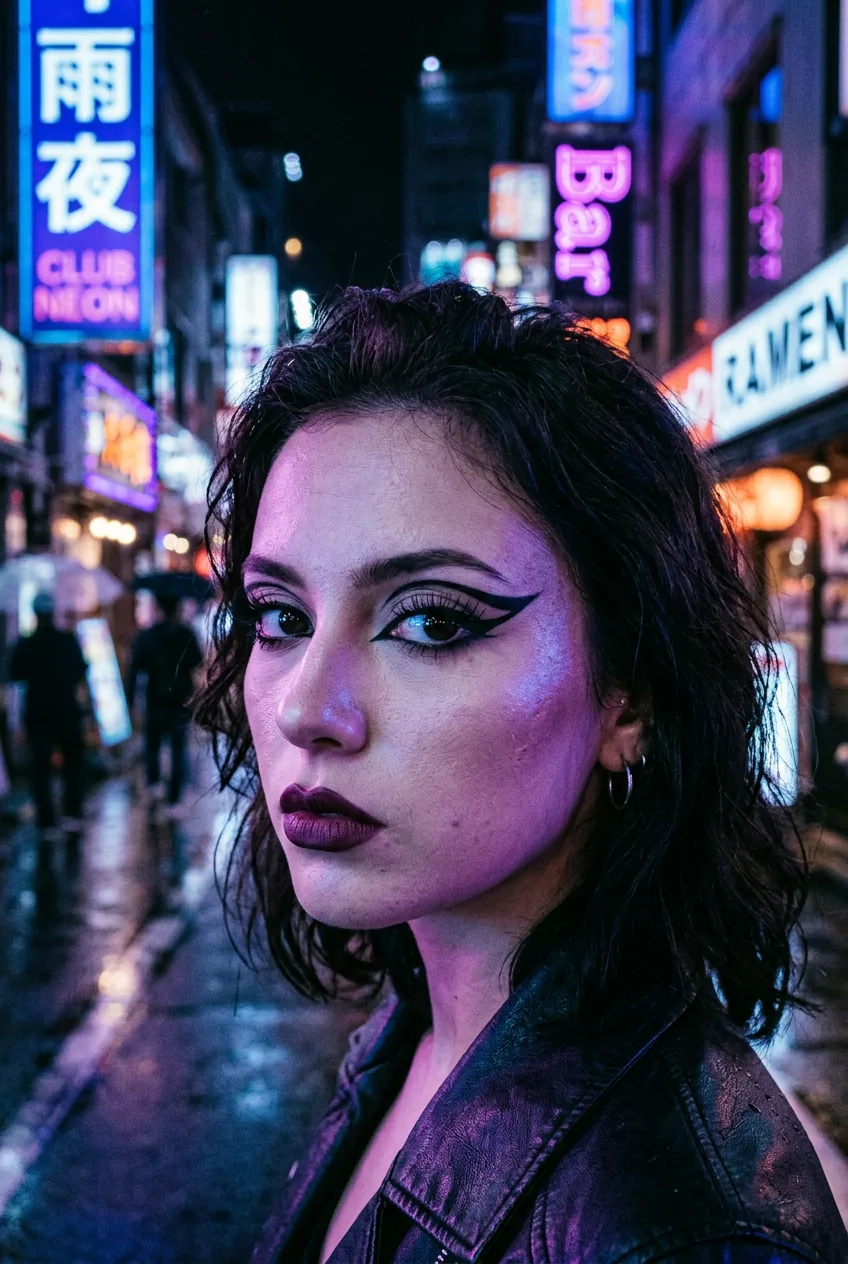
The “alt” label feels like a way to distance newer enthusiasts from the actual subcultures these looks originated from. It’s goth makeup without the commitment to understanding where it came from.
Why I Believe It
I spent my teenage years mixing my own foundation shades to get that perfect corpse-pale look. Back then, you had to hunt for black lipstick at Hot Topic or mix your own with eyeshadow. The techniques we used — white concealer as foundation, black eyeshadow packed into waterlines, that stark contrast between light and dark — those are exactly what I see in every “alt makeup tutorial” today.
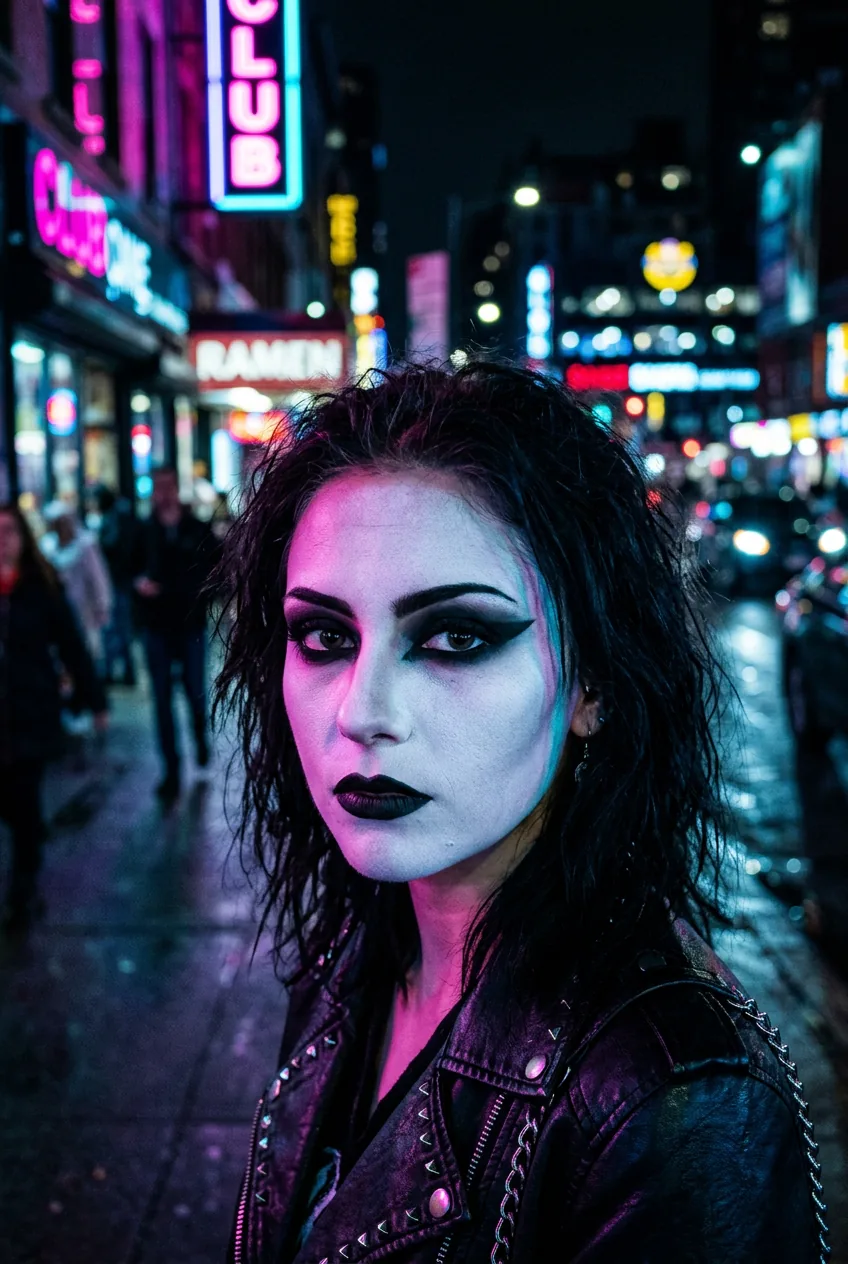
What’s changed isn’t the makeup itself, but the context. Goth makeup was tied to music, to a whole lifestyle and philosophy about beauty in darkness. Goth subculture has deep roots in post-punk music and romantic literature. Alt makeup? It’s divorced from any cultural meaning. It’s just the aesthetic.
And honestly, that’s fine. Not everyone needs to commit to a whole subculture to wear dark lipstick. But calling it something new when it’s not — that bothers me. When I see TikTokers claiming they “invented” techniques that goths have been using since the 80s, it feels like erasure.
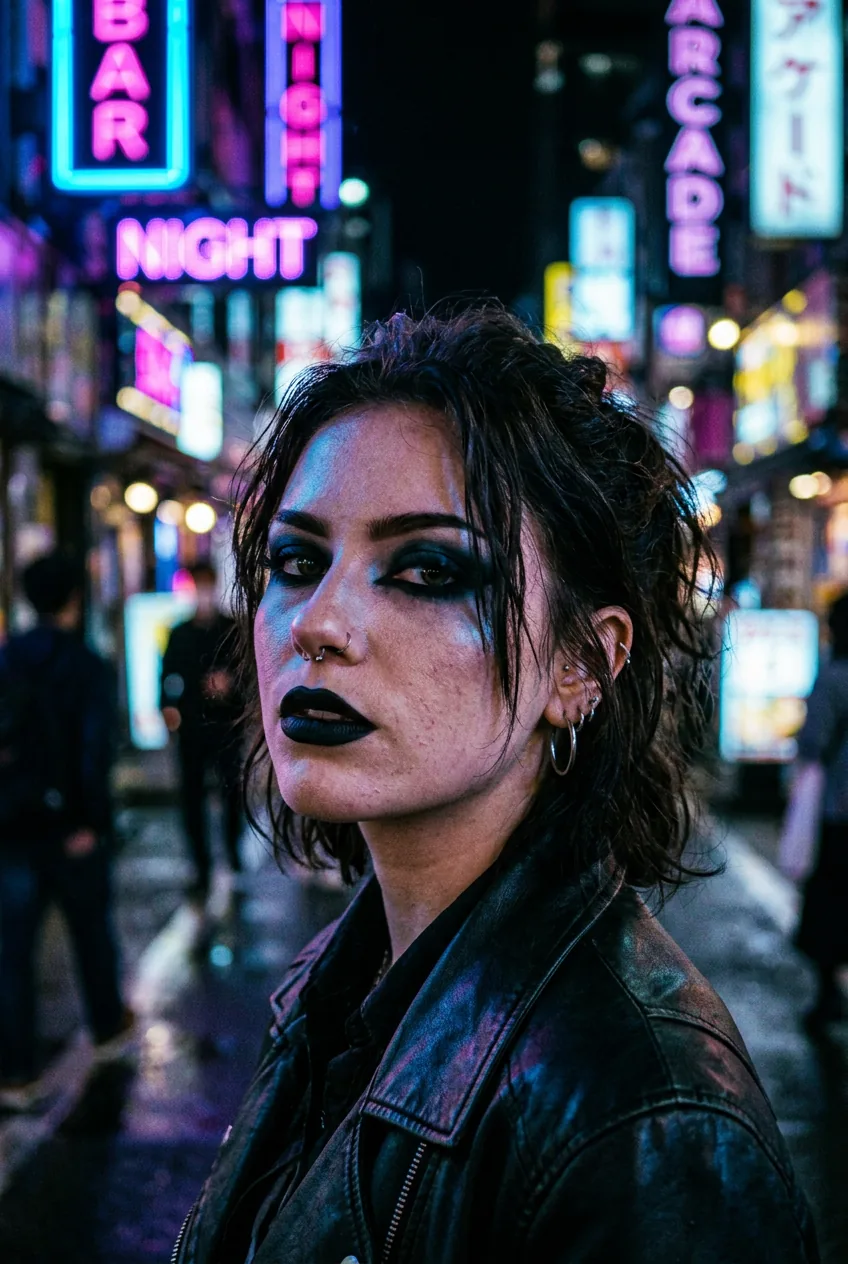
The products have gotten better, I’ll give you that. Modern black lipsticks don’t crack and flake like they used to. But the application methods? The color choices? The overall vibe? It’s identical to what we were doing in goth clubs fifteen years ago, just with ring lights and better cameras.
The Pushback (and My Answer)
“But alt makeup is more diverse!” Sure, I see more skin tones represented now, and that’s genuinely amazing. The goth scene was frustratingly white for too long. But that’s progress in representation, not a new makeup style. The techniques are still the same.
“Alt makeup isn’t as extreme as goth!” This one makes me laugh. Half the alt looks I see are more dramatic than anything I wore to goth night. We’re talking full-face white foundation with black lips and contacts. How is that less extreme than my casual Tuesday goth look from 2019?
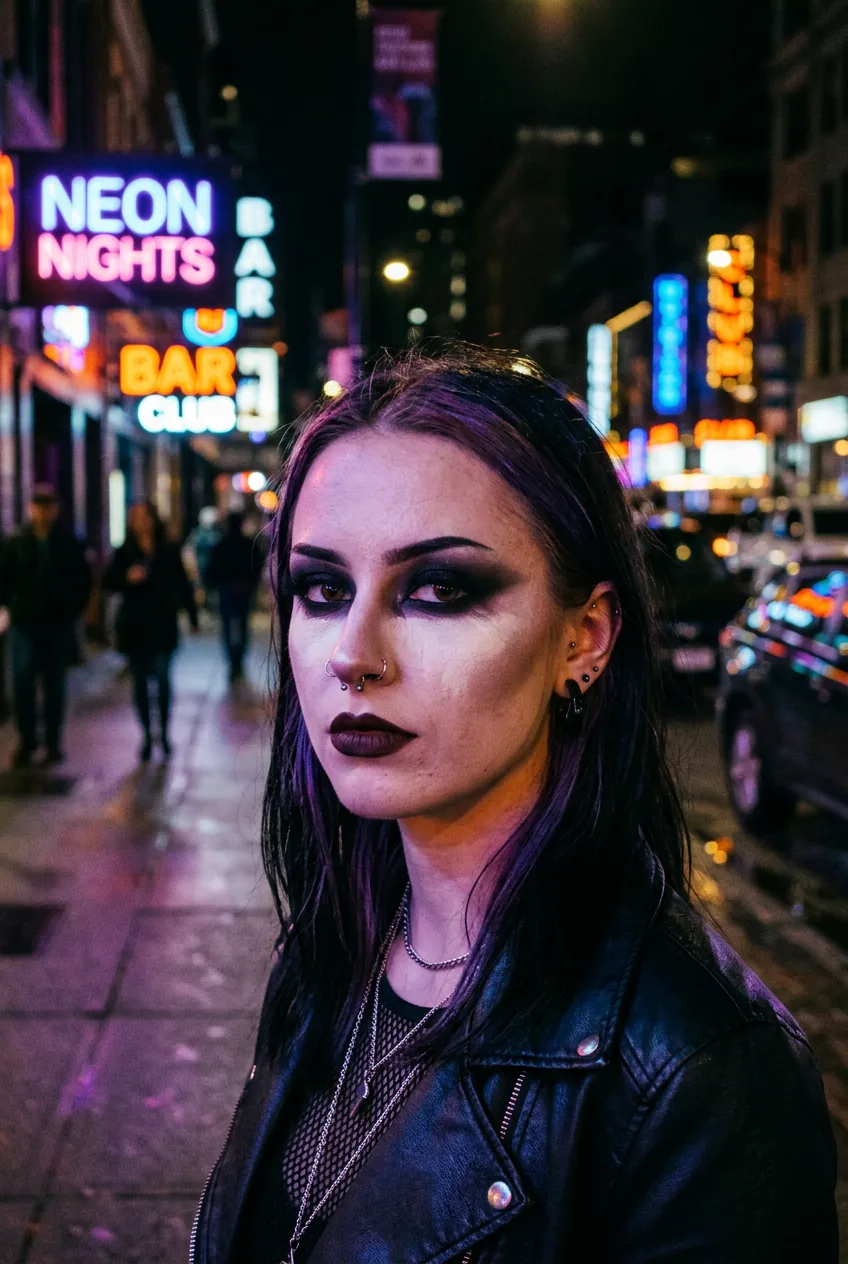
“You’re gatekeeping!” Maybe a little. But I think there’s value in acknowledging where trends come from. When I see people discovering goth makeup favourites and calling them alt innovations, it feels like the history is getting lost.
The truth is, I don’t mind people borrowing from goth aesthetics. I mind them pretending they’re not borrowing. Cultural appropriation in beauty is a real conversation we should be having, even within alternative communities.
What I’m Not Saying
I’m not saying people should stop doing alt makeup. Wear whatever makes you feel powerful. Dark makeup is transformative, and I love seeing people discover that confidence for the first time.
I’m also not saying you have to be goth to wear goth-inspired makeup. Subcultures aren’t exclusive clubs. But maybe acknowledge the influence? Maybe learn a little about where these techniques came from?
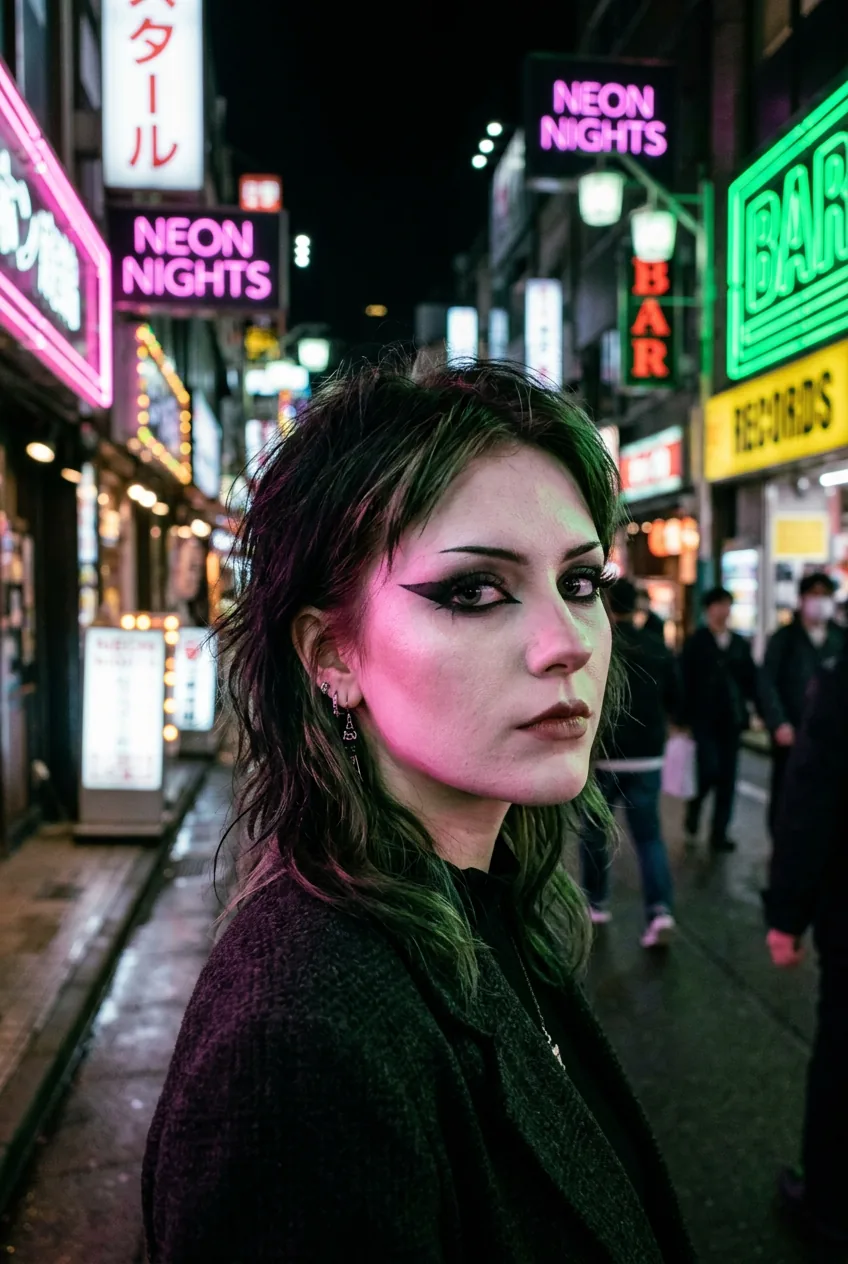
And I’m definitely not saying alt creators are doing anything wrong by making these looks more accessible. Better tutorials, inclusive shade ranges, products that actually work — that’s all positive. I just wish we could celebrate innovation without pretending we’re reinventing the wheel.
The thing is, goth makeup never went anywhere. We’ve been here the whole time, perfecting these techniques in smaller communities. Alt makeup just brought it to the mainstream with better marketing and production values.
Maybe that’s what really bugs me. Not the makeup itself, but the implication that it needed to be “fixed” or “updated” to be worthy of attention. Goth makeup was always beautiful. It just needed better lighting to prove it to everyone else.