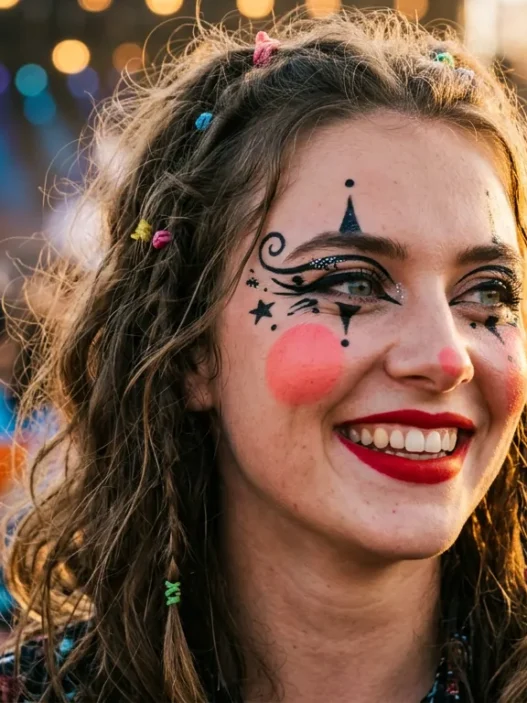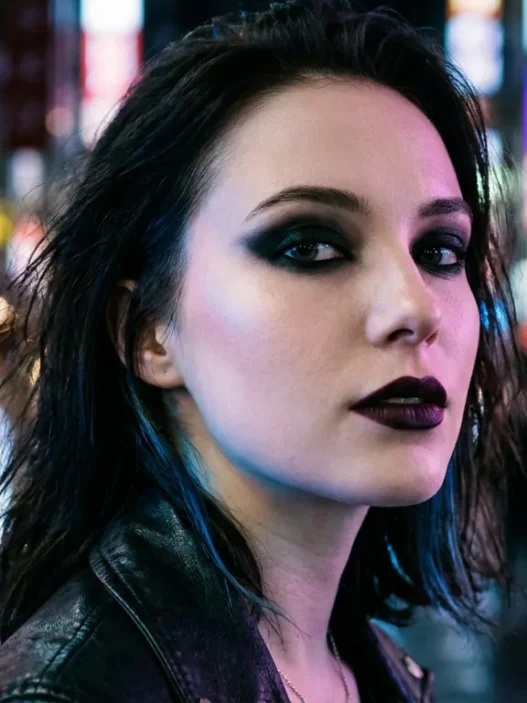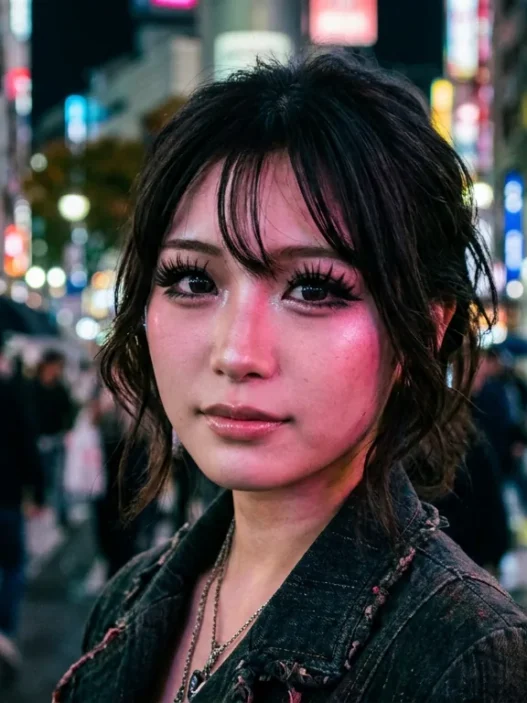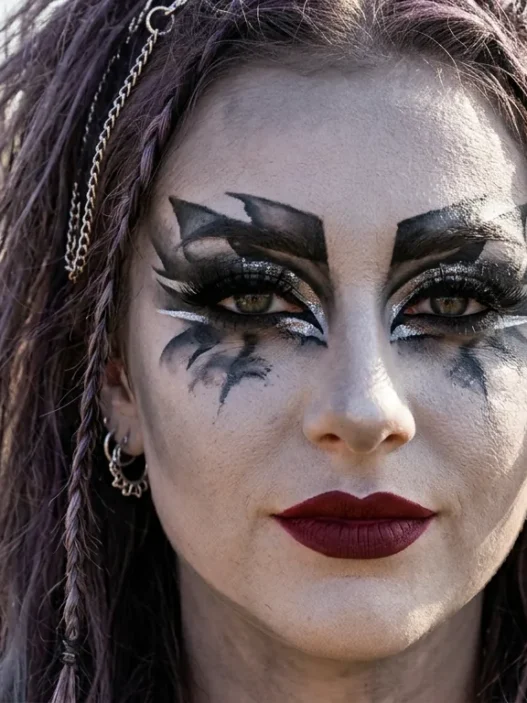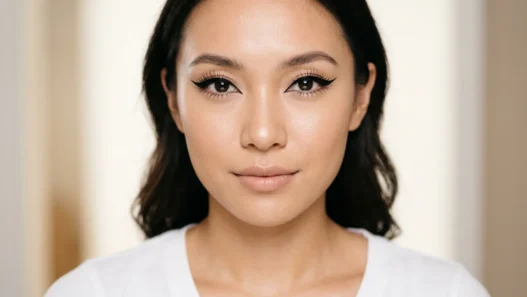

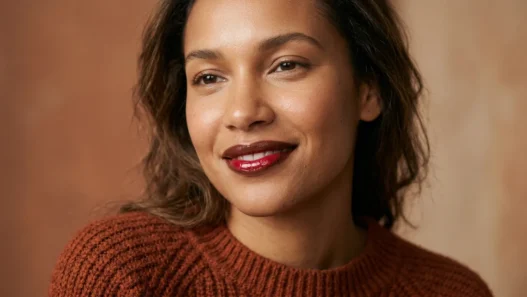



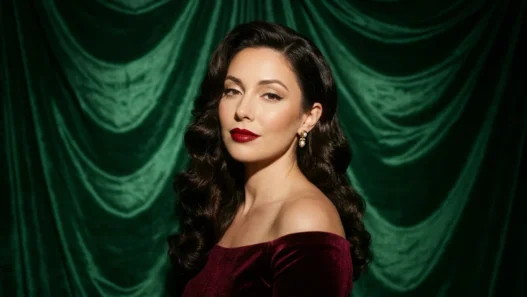
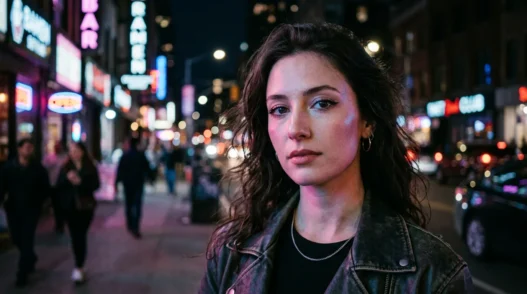
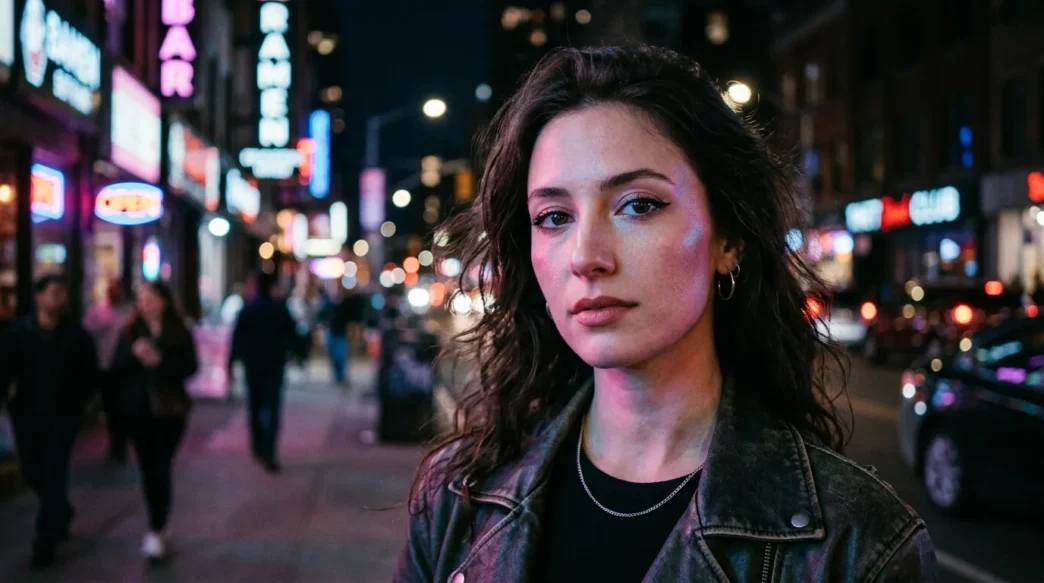
I never thought I’d see the day when my 65-year-old neighbor would ask me about “that dark eye makeup look” she saw on the morning show. But here we are in 2026, and goth makeup has somehow slipped out of Hot Topic and into the cultural mainstream. It’s wild to witness something that felt so niche just five years ago become this omnipresent aesthetic choice. And honestly? I’m fascinated by how it happened.
What’s Inside This Cultural Deep Dive
How We Got Here
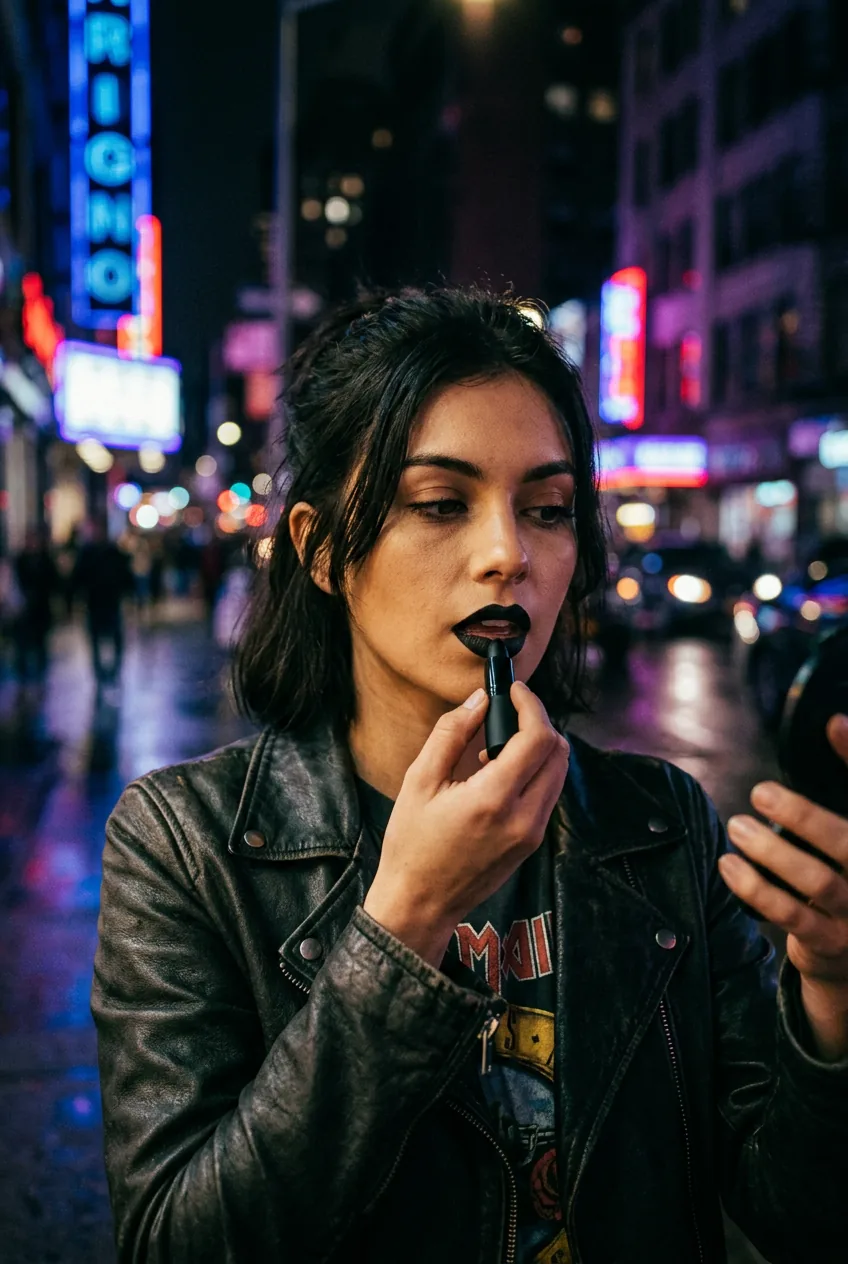
The path from subculture to subway wasn’t exactly linear. I remember when wearing black lipstick to brunch felt like a statement — now I see it on lifestyle influencers who’ve never heard of Siouxsie Sioux. The shift started around 2023, when clean beauty fatigue hit hard and people got bored of “no-makeup makeup.”
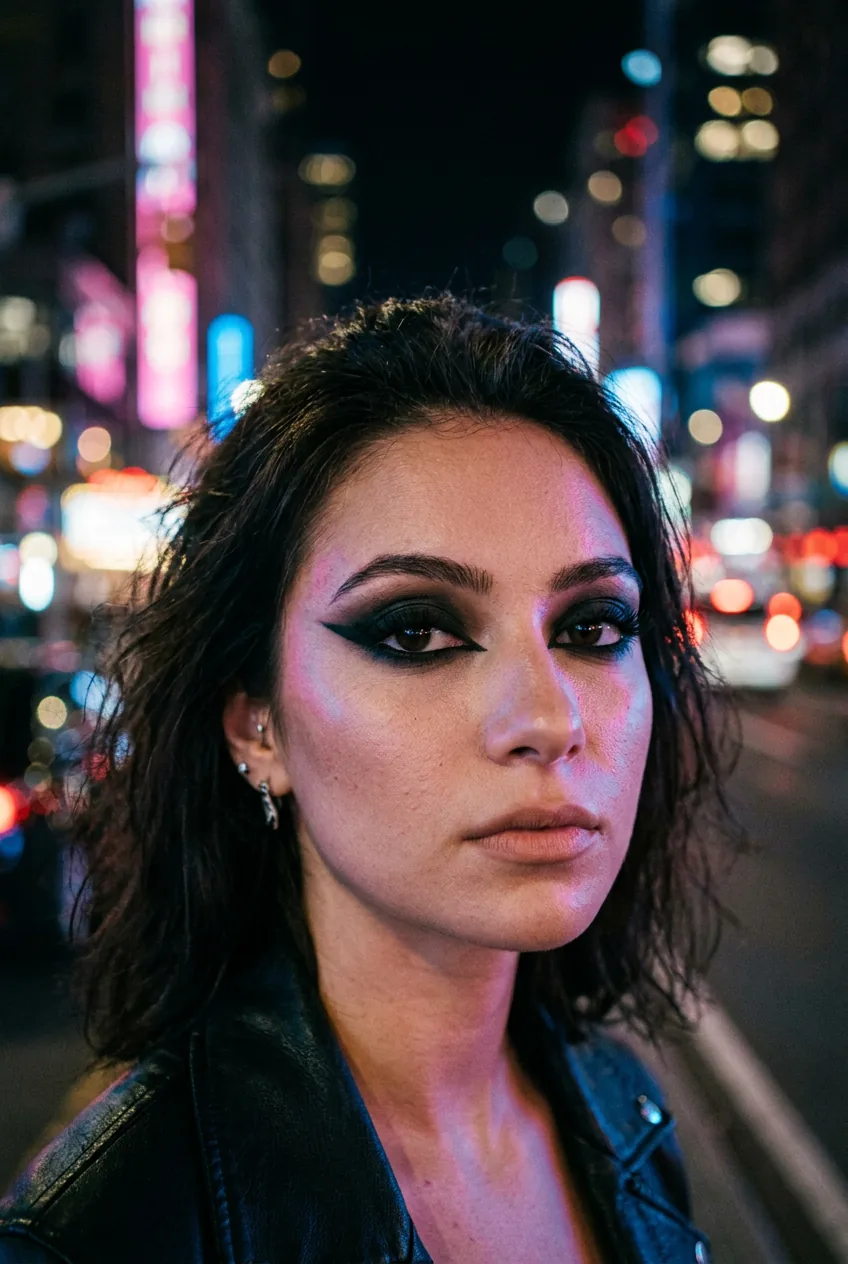
But the real catalyst was grunge makeup’s mainstream explosion. Once smudged eyeliner and dark lips became acceptable for everyday wear, the door was wide open for goth aesthetics to follow. Social media algorithms didn’t hurt either — dramatic makeup photographs better than subtle looks, so creators naturally gravitated toward darker, more striking styles.
What surprises me most is how quickly corporate beauty brands pivoted. Suddenly every drugstore had “gothic glam” palettes and “midnight collections.” Professional application techniques became trending searches faster than brands could keep up with demand.
What’s Really Driving It
This isn’t just about makeup trends — it’s about cultural mood. We’re living through uncertain times, and goth makeup gives people permission to externalize some of that darkness. There’s something honest about wearing your complexity on your face instead of pretending everything’s fine.
I’ve noticed the appeal crosses generational lines in fascinating ways. Gen Z treats it as artistic expression, millennials see it as reclaiming their teenage rebellion, and older women use it to push back against ageist beauty standards. Everyone’s finding their own entry point into the aesthetic.
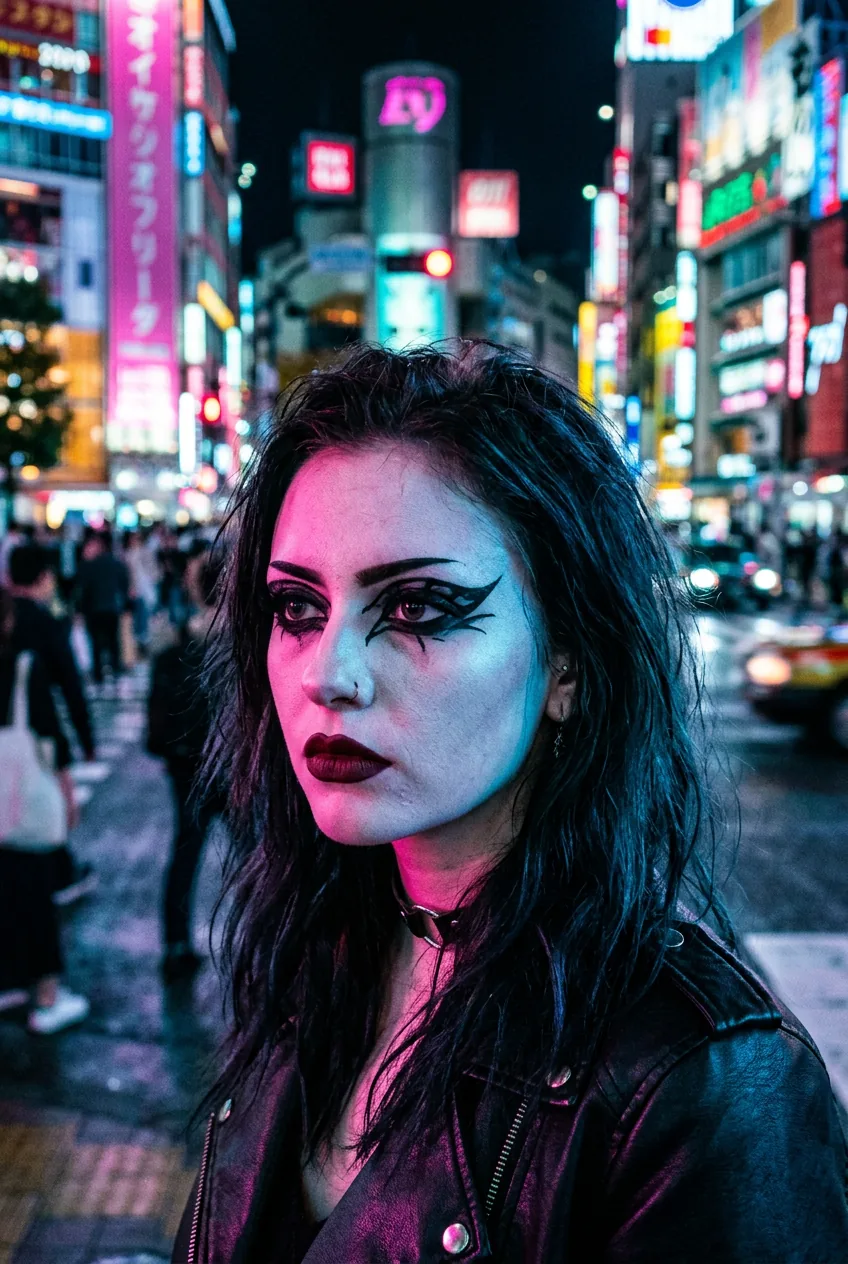
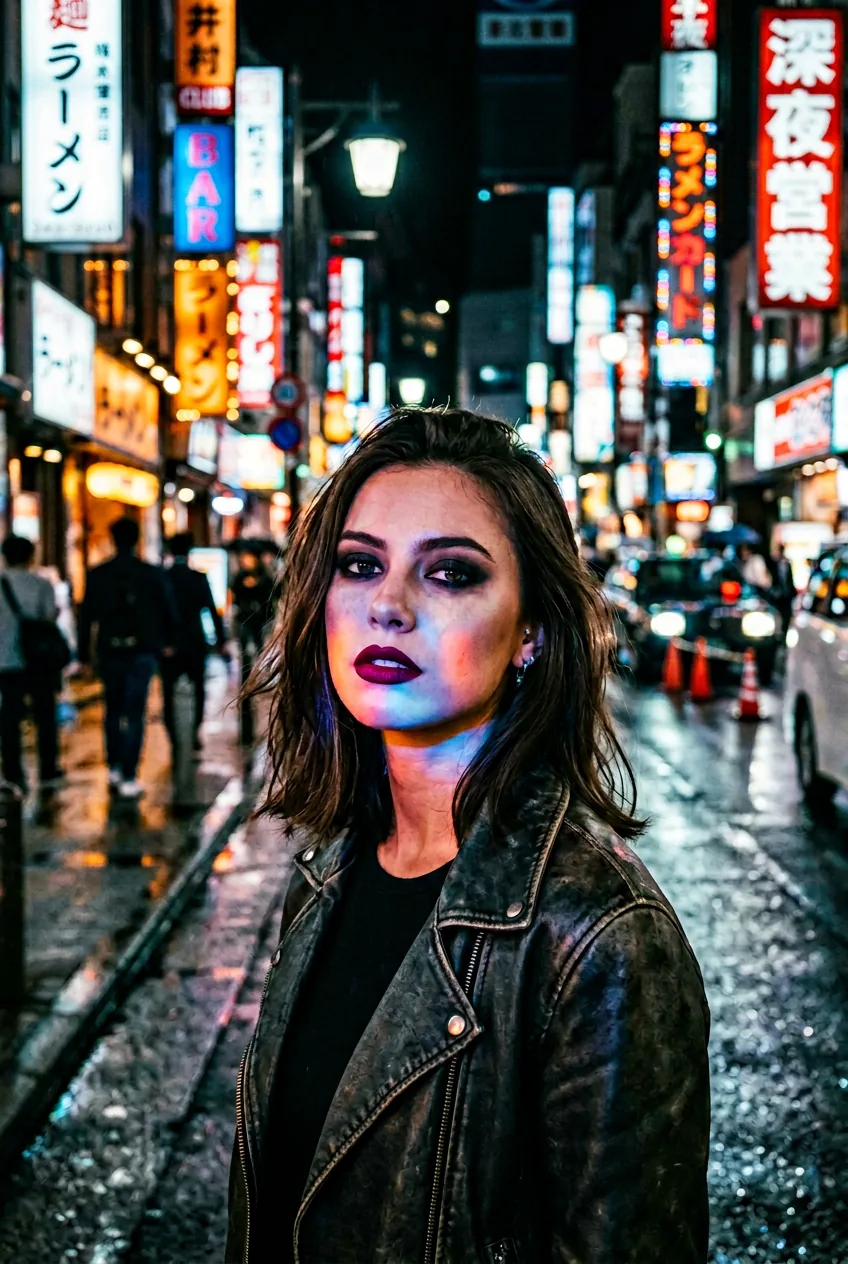
The dark feminine energy movement definitely fueled this moment too. Women are tired of being told their power comes from looking approachable and “natural.” Dark lips and heavy liner feel like armor — beautiful, intentional armor that says you’re not here to make anyone comfortable.
Long-wearing formulas have improved dramatically, which removed the biggest barrier to daily wear. When your black lipstick doesn’t transfer onto your coffee cup, suddenly it becomes practical instead of just dramatic.
The Cultural Shift Happening Right Now
Who It’s Actually For
Here’s where I might ruffle some feathers: mainstream goth makeup isn’t really for the original goth community anymore. And that’s both sad and inevitable. What we’re seeing now is alt makeup with better PR — sanitized, Instagram-friendly versions of looks that once carried real subcultural weight.
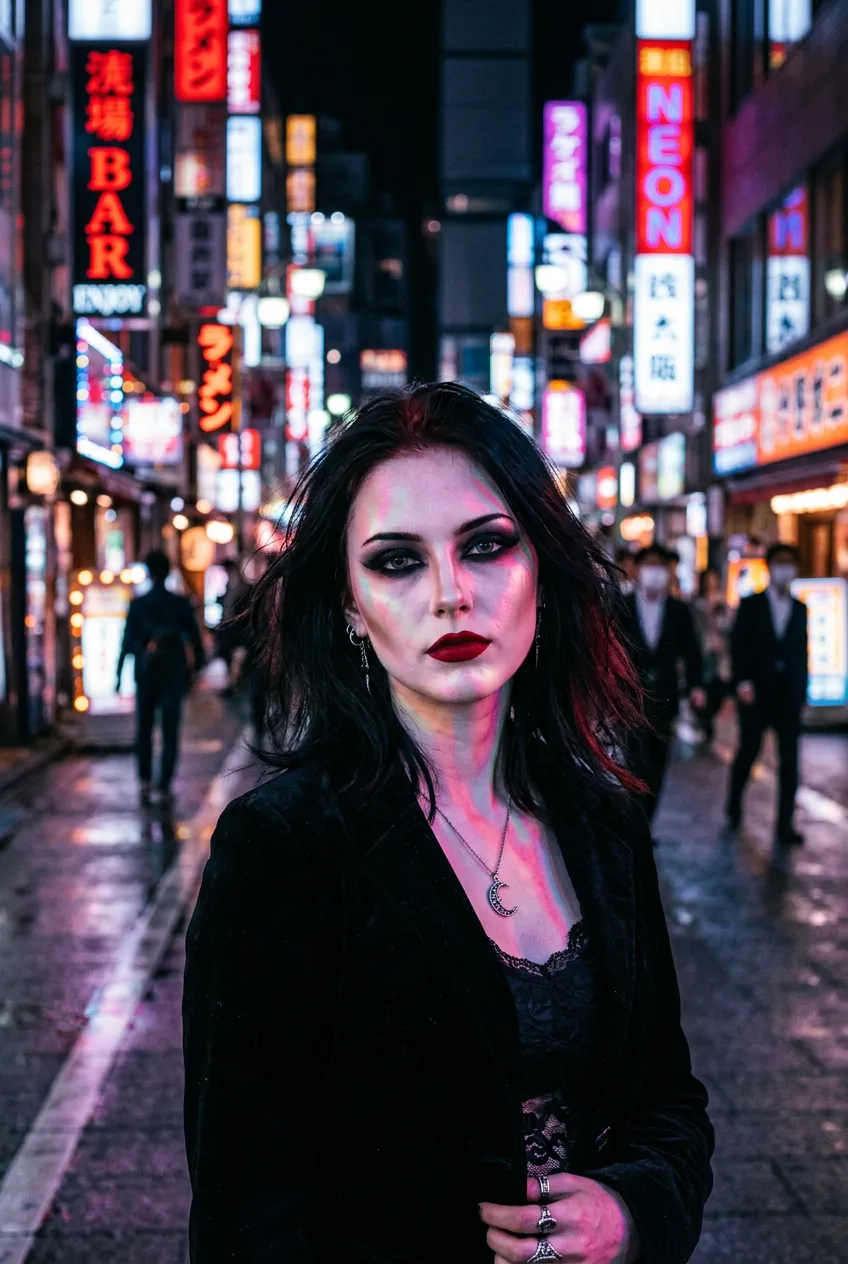
The current goth makeup moment is for people who want to feel edgy without being excluded. It’s for corporate workers who can’t dye their hair purple but can wear dark eyeshadow. It’s for suburban moms rediscovering their identity beyond motherhood. It’s for anyone who felt too old, too mainstream, or too scared to try it before.
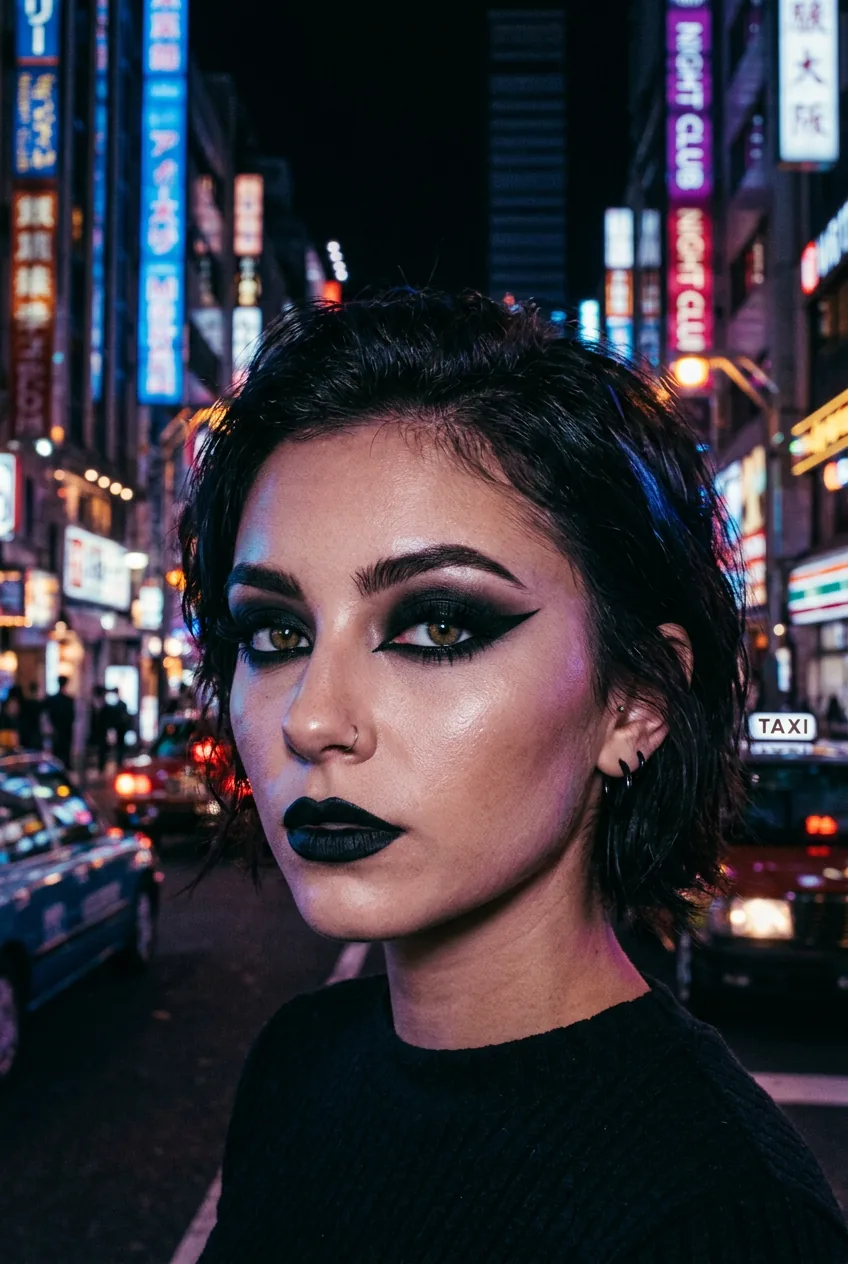
I love that more people are experimenting with dramatic makeup, but I do miss when wearing black lipstick meant something specific about your music taste and worldview. Now it just means you follow beauty trends. That dilution is the price of mainstream acceptance.
The monochrome approach has made goth makeup more accessible to beginners. Instead of mastering multiple dark shades, you can create impact with just black eyeliner and mascara. It’s goth training wheels, and honestly, that’s not a bad thing.
Where It Goes Next
Cultural moments like this usually have a shelf life of 18-24 months before the pendulum swings back. I’m already seeing early signs of “soft goth” — think charcoal eyeshadow instead of black, berry lips instead of vampy ones. The aesthetic is getting gradually lighter as it reaches peak saturation.
But I don’t think it’ll disappear entirely. Some looks become integrated into the permanent beauty vocabulary, and dramatic eyeliner feels like one of them. Color theory principles suggest that dark neutrals have staying power because they work across so many skin tones.
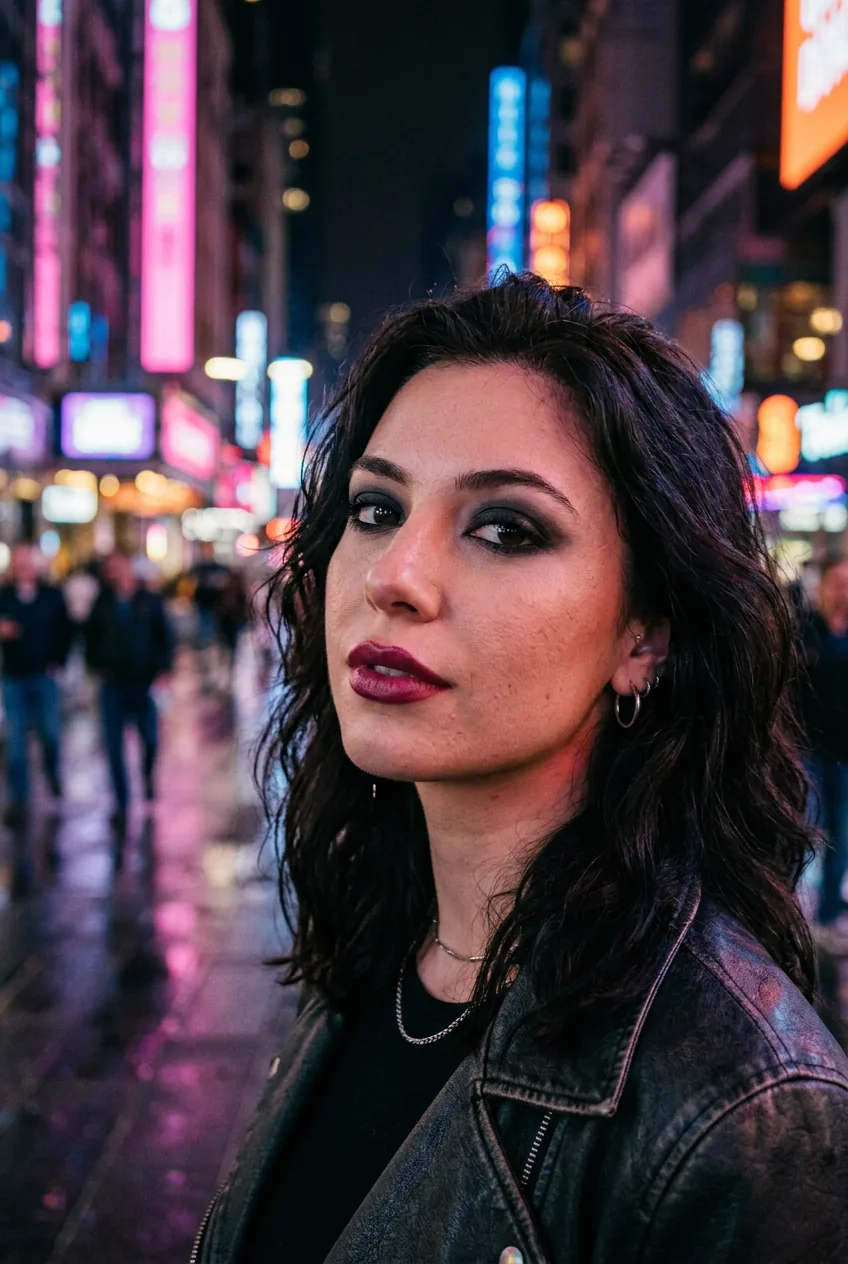
What excites me most is how this moment might influence the next underground beauty movement. When mainstream culture absorbs goth aesthetics, where do actual goths go? I suspect we’ll see even more experimental, avant-garde makeup emerging from the communities who originated these looks.
The real legacy of this goth makeup moment might be permission — permission to be dramatic, permission to take up space, permission to wear your complexity instead of hiding it. Even when the trend cycles out, that attitude shift could stick around. And I think that’s something worth celebrating, even if it means saying goodbye to the exclusivity of dark lips.
Whether you’re diving into vampire-inspired looks for the first time or you’ve been perfecting your winged liner since MySpace was relevant, this cultural moment belongs to all of us. The question isn’t whether you’re “goth enough” — it’s whether you’re ready to embrace a little darkness.