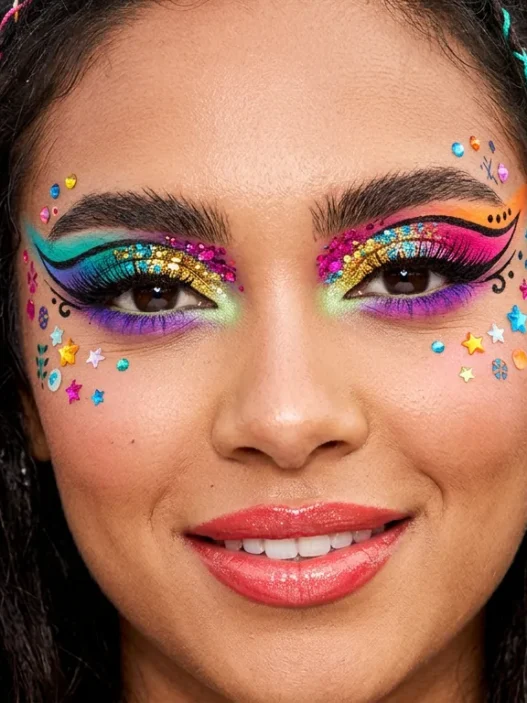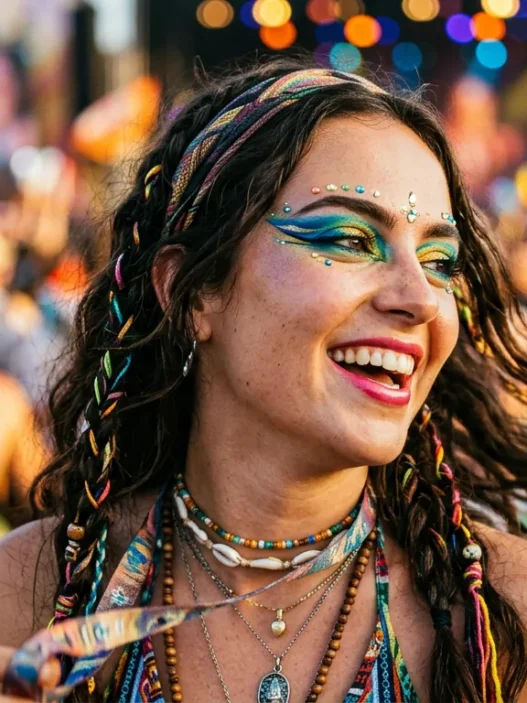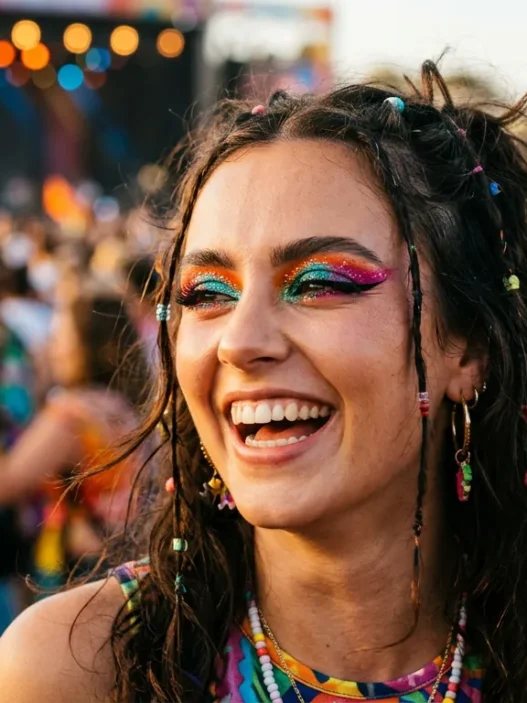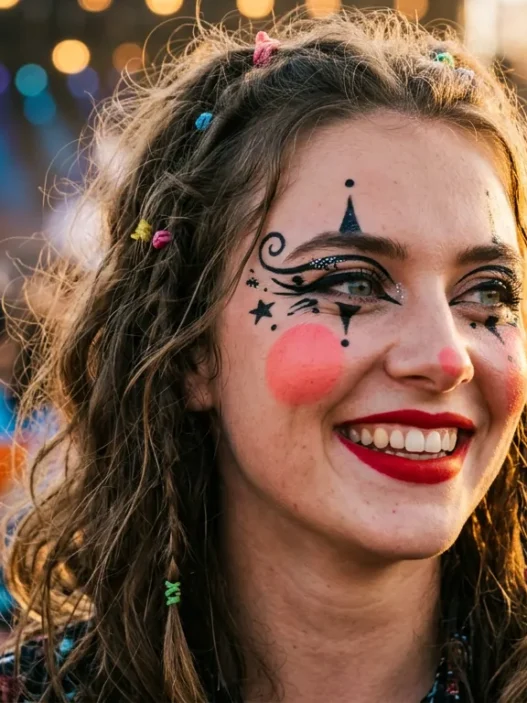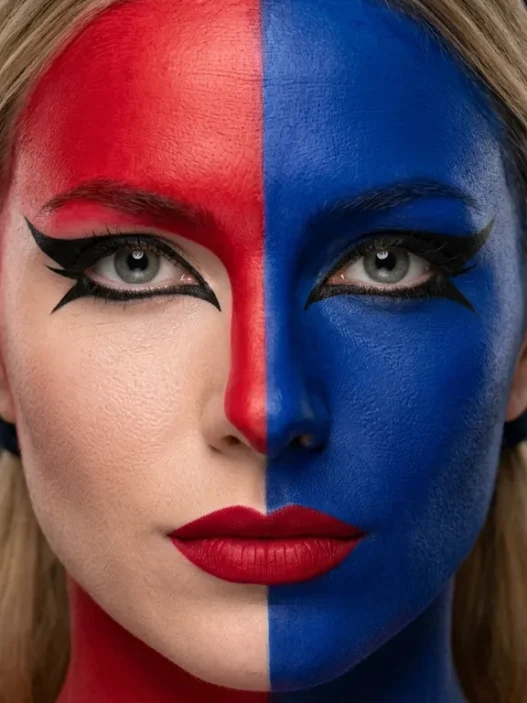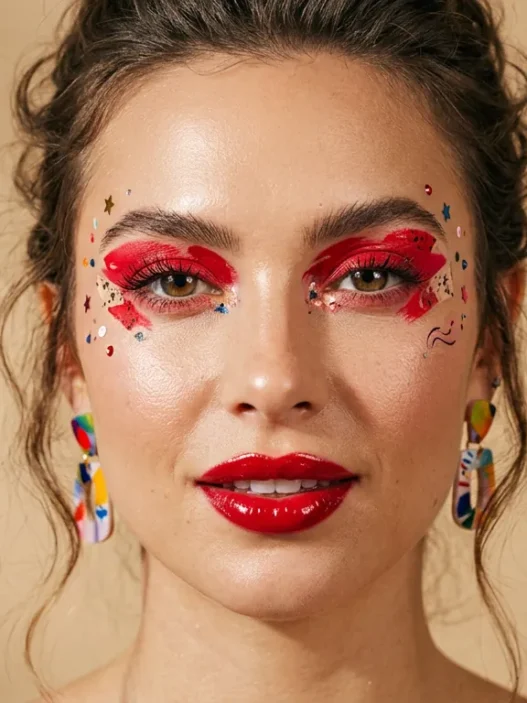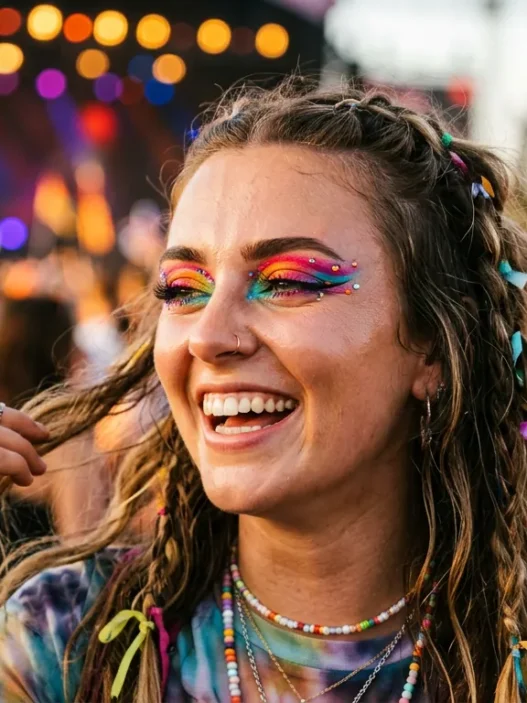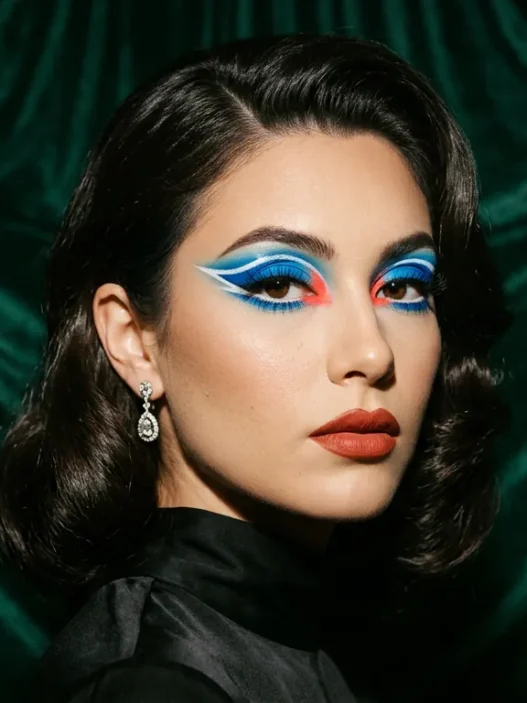




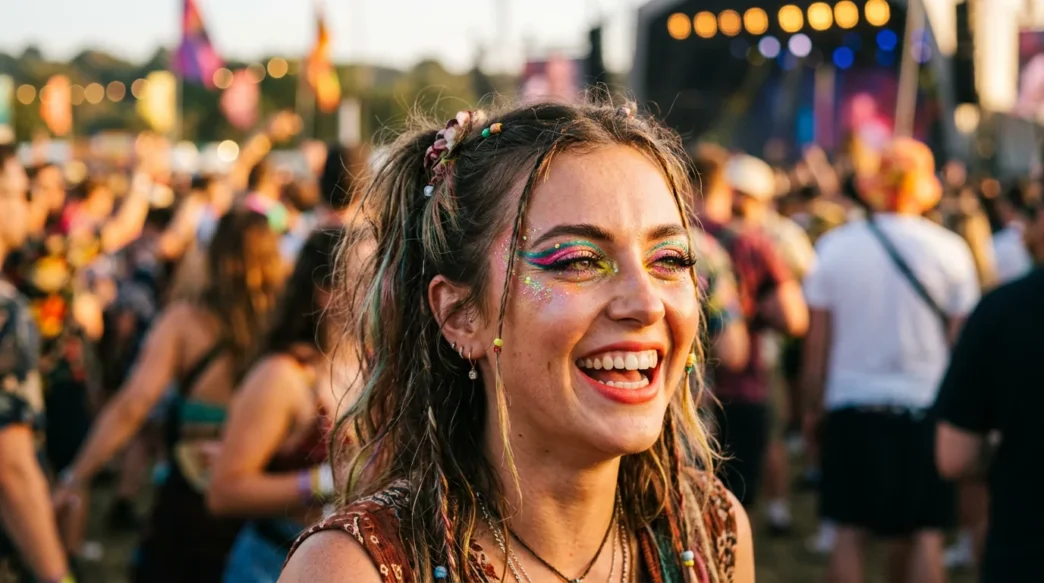
Last winter, I was stuck in the same neutral makeup rut I’d been cycling through for years. Beige eyeshadow, brown mascara, maybe some tinted lip balm if I was feeling adventurous. Then I rewatched Euphoria and had what can only be described as a makeup midlife crisis at 28. What if I just… committed to the chaos for a month?
What This Experiment Covered
Why I Tried This
The show’s makeup artist Doniella Davy talks about how makeup should be pure emotional expression, not just enhancement. That hit differently than the “natural glow” tutorials I’d been following religiously. I wanted to see what happened when I threw out every makeup rule I’d internalized about looking “appropriate” for work, for dates, for existing in the world as a woman.
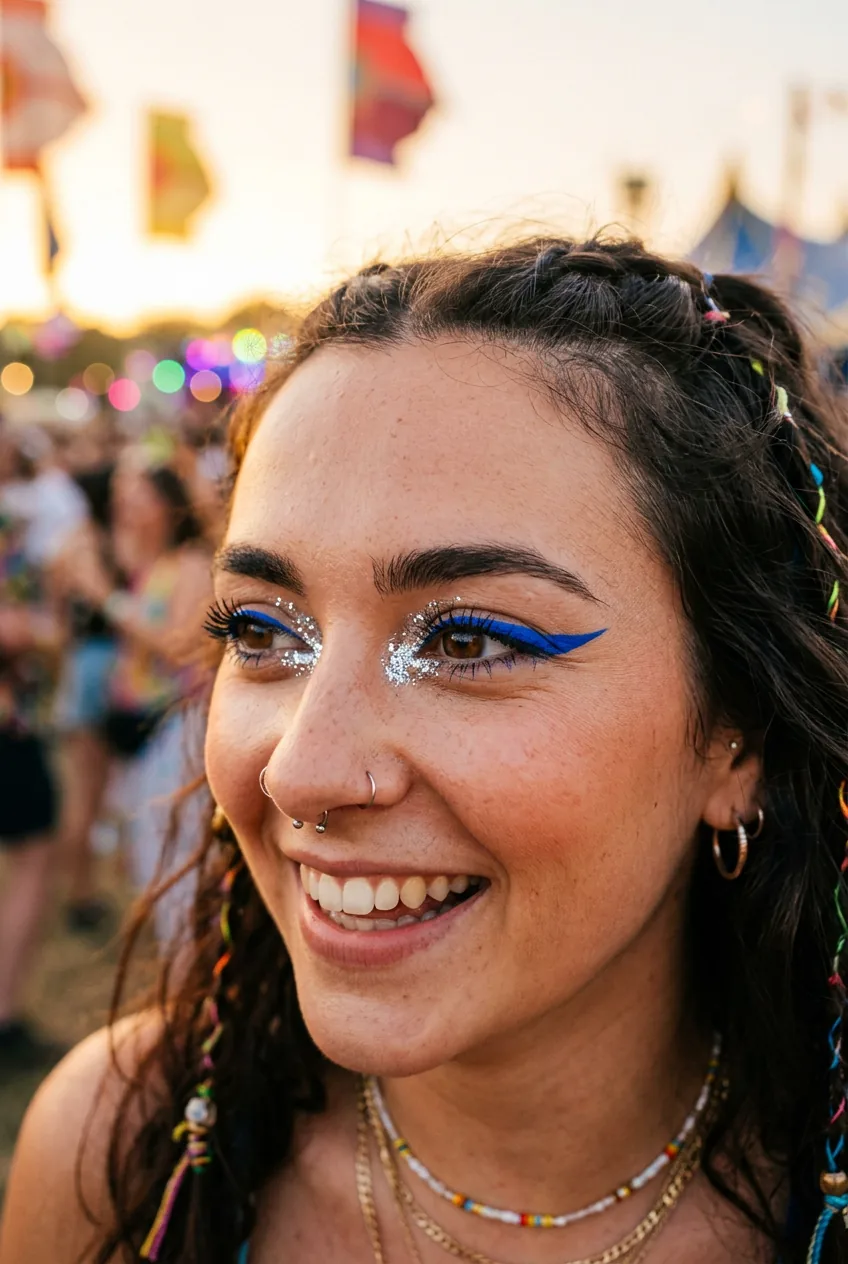
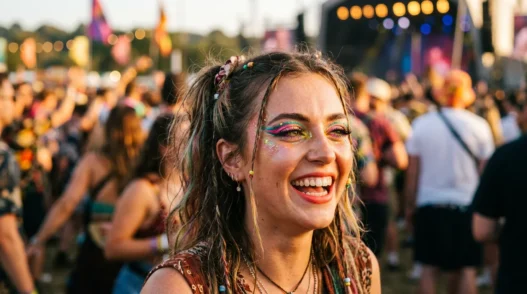
My rules were simple: every day for 30 days, I had to wear something that would make my old self cringe. Neon eyeliner to client meetings. Rhinestones to the grocery store. Glitter eyeshadow that literally sparkled under fluorescent lights. The goal wasn’t to look good by conventional standards — it was to feel something other than invisible.
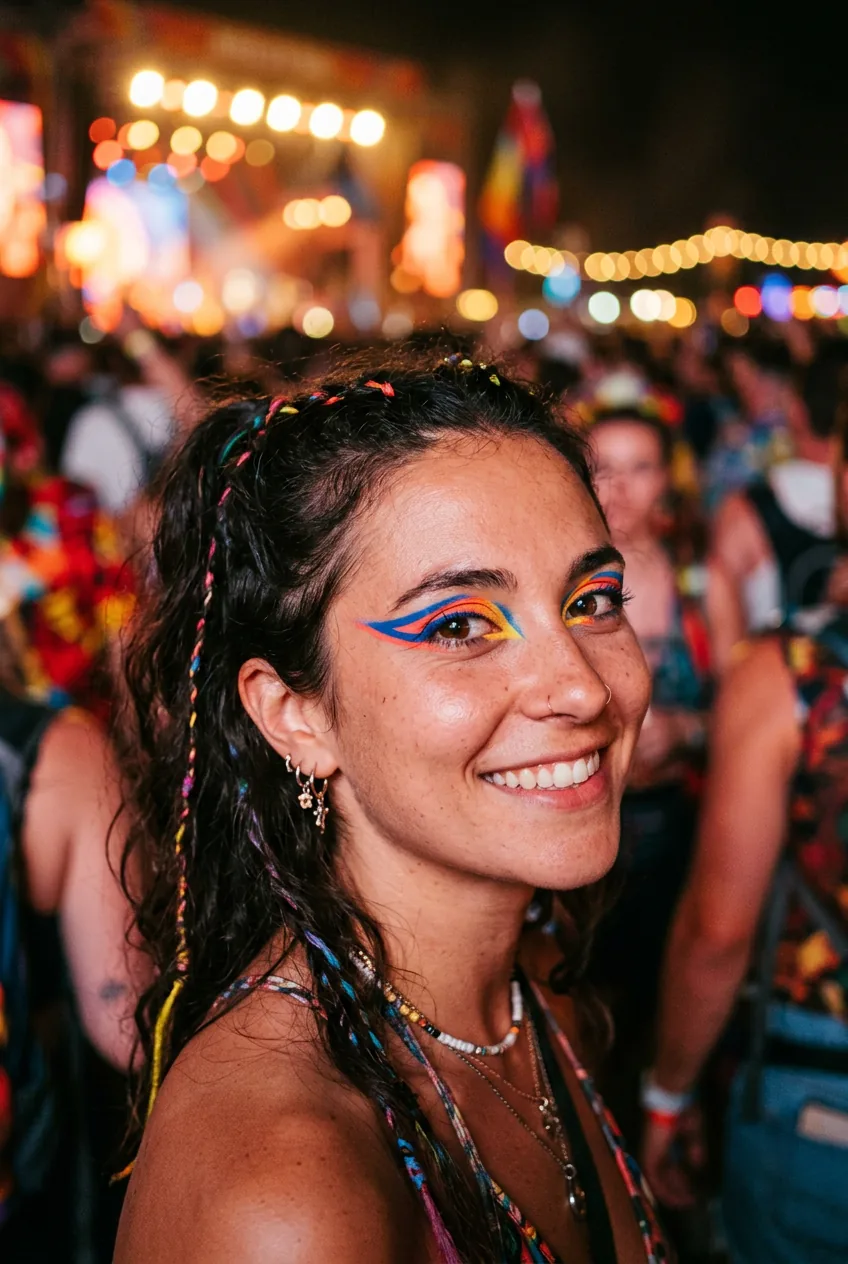
I stocked up on colorful liners, pressed glitters, and those 14 makeup looks to try this spring 2026 that I’d bookmarked but never had the guts to attempt. Day one was electric blue winged liner with silver glitter in the inner corners. I looked like a beautiful alien, and honestly? It was terrifying.
The First Few Days
The anxiety was real. I kept catching myself in reflective surfaces and doing a double-take. Who was this person with purple graphic liner and highlighter that could be seen from space? The first week felt like wearing a costume to a party where everyone else was in business casual.
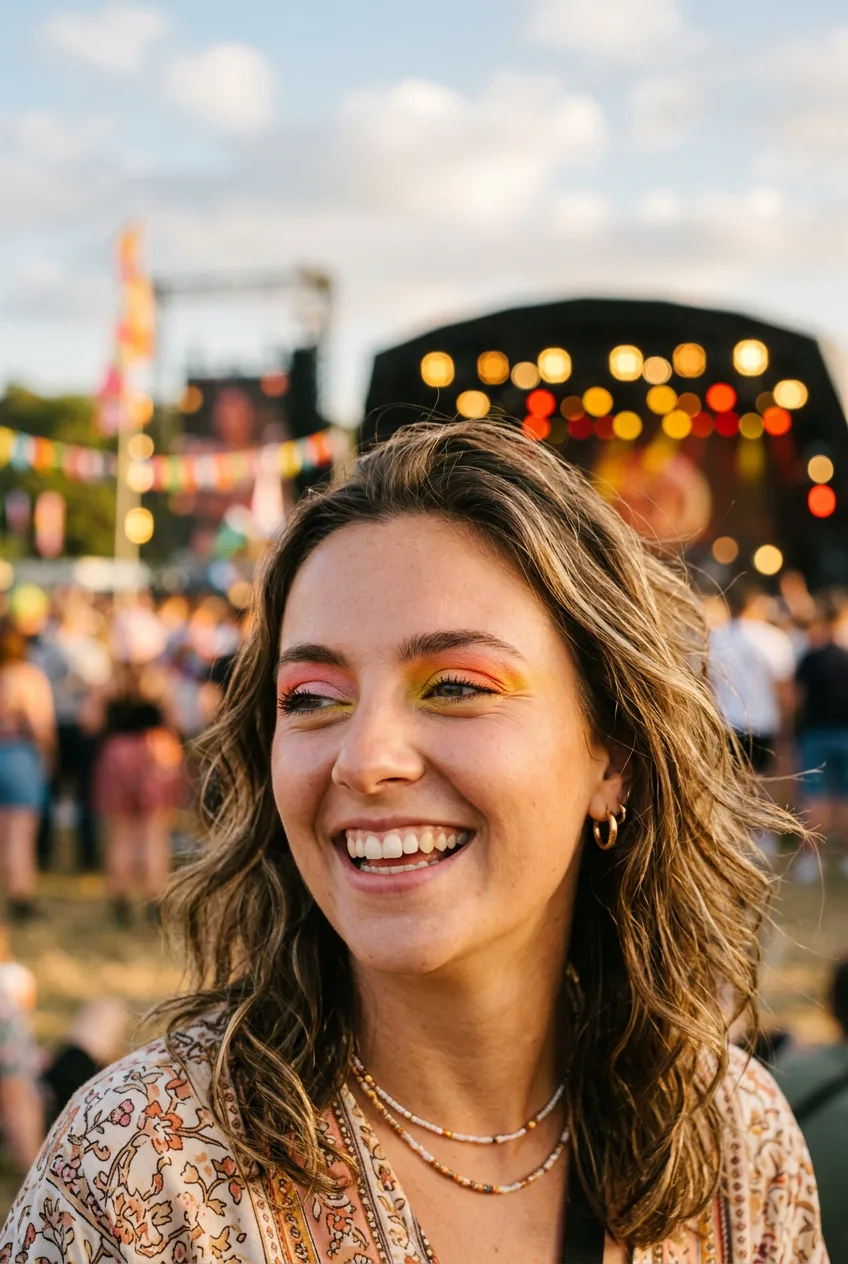
Day three was rainbow eyeshadow blended from pink to orange to yellow. I got more compliments on my makeup that Tuesday than I’d received in the previous six months combined. Strangers smiled at me differently. My barista started remembering my order. The reactions weren’t what I expected — people seemed genuinely delighted by the color, not put off by it.
But the real shift happened internally. Getting ready became an event instead of a chore. I’d wake up wondering what color story I wanted to tell that day. Pink and gold for optimism? Deep purple and silver for mystery? The ritual felt creative in a way that my usual five-minute face never did.
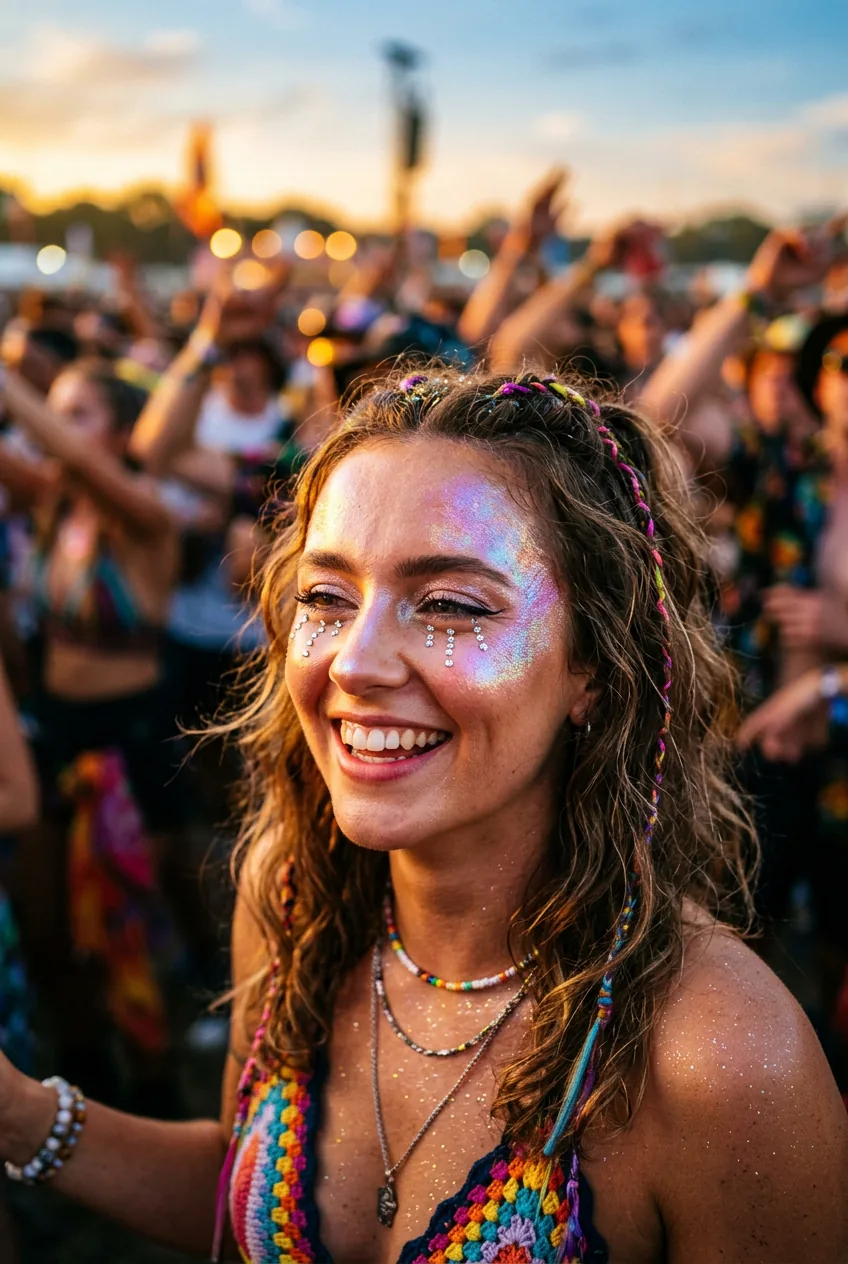
Week two brought rhinestone tears (inspired by Jules’ crying scenes) and holographic highlighter that changed colors in different light. I started noticing how much space I took up in rooms. When you’re wearing lime green eyeliner, you can’t exactly shrink into the background.
The Surprising Middle
Around day fifteen, something unexpected happened. The bold looks started feeling… normal. Not in a boring way, but like they belonged on my face. I stopped checking my reflection compulsively and started trusting that whatever I’d created that morning was exactly what I wanted to wear.
This is when I got experimental with placement. Blush on my nose in a way that made me look perpetually sun-kissed. Highlighter on my collarbones because why should cheekbones have all the fun? The lessons eye makeup has taught me over the years suddenly felt limiting compared to what I was discovering.
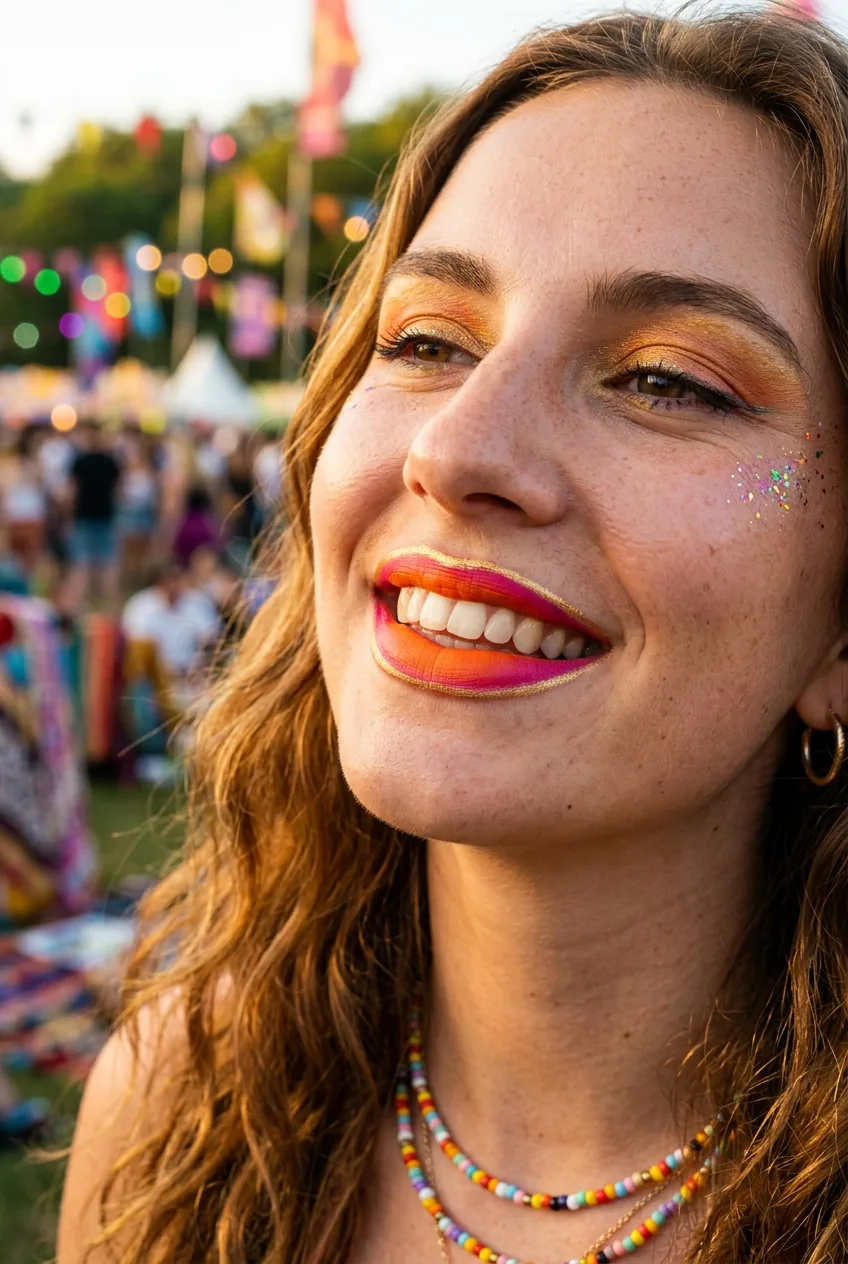
Week three brought my most controversial look yet: orange and pink gradient lips with gold liner. It photographed beautifully but looked absolutely unnatural in person. I loved it. My coworkers were divided — half thought I looked like a sunset, half thought I looked like I’d raided a costume shop. Both reactions felt like wins.
I started paying attention to how different looks affected my mood and behavior. Bright colors made me more talkative. Glitter made me feel glamorous even while doing laundry. Graphic liner made me feel sharp and intentional. The psychology of color and confidence became my daily experiment.
The technical skills improved too. When you’re working with electric blue eyeshadow, you learn blending real fast. Precision becomes non-negotiable when you’re drawing geometric shapes around your eyes. My hand steadied. My color theory got better. I understood my eye shape in ways I never had before.
This Tutorial Changed My Technique
What I Took Away
The biggest surprise wasn’t how people reacted to the makeup — it was how I reacted to taking up space. For years, I’d been making myself smaller through neutral tones and “natural” looks that were really just invisible looks. The euphoria makeup experiment forced me to be seen, and being seen turned out to be less terrifying than I’d imagined.
Day thirty was bittersweet. I’d planned to go back to my old routine, but sitting in front of my mirror with brown eyeshadow felt like putting on a costume. The person looking back at me wasn’t wrong, exactly, but she felt… muted. Like I was whispering when I’d learned I could sing.
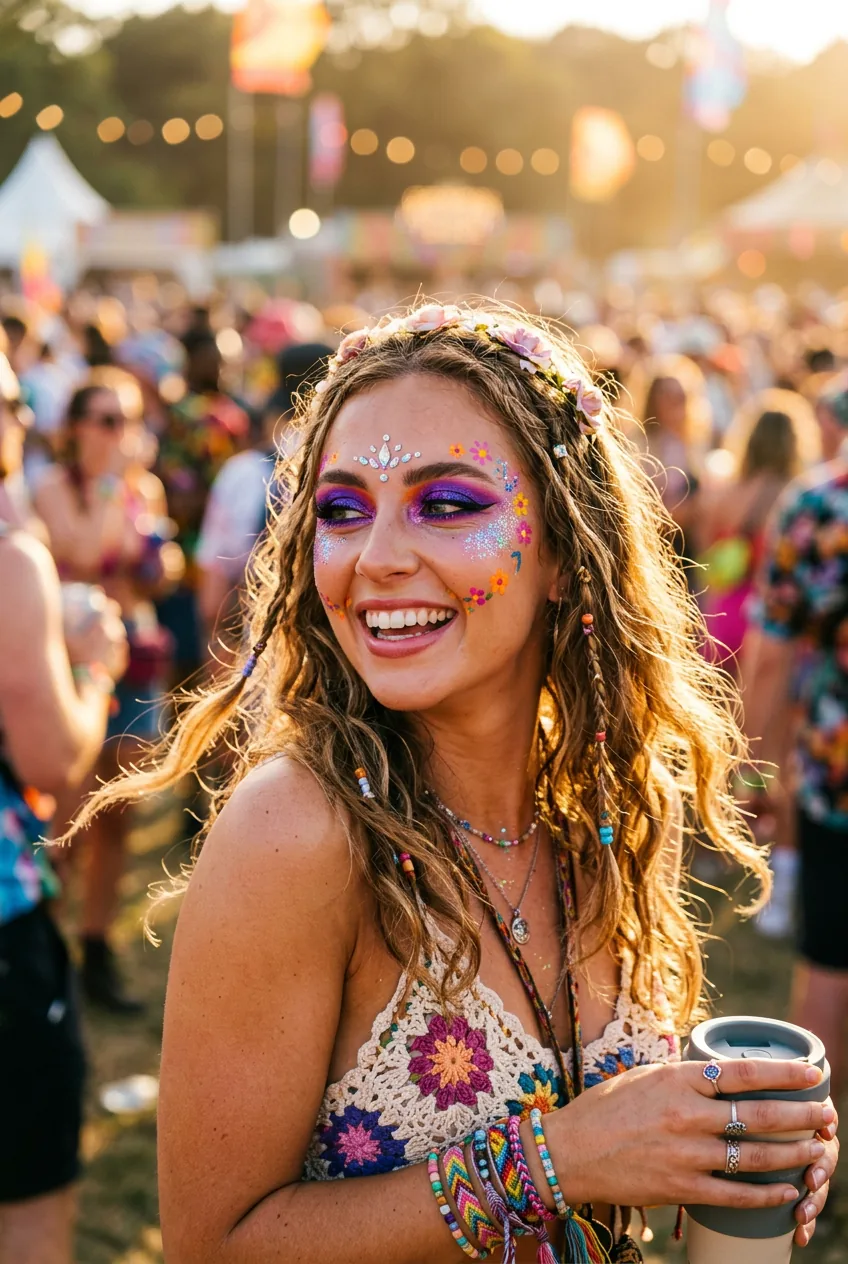
I don’t wear rainbow eyeshadow to work every day now, but I haven’t gone back to purely neutral looks either. The experiment taught me that makeup rules are mostly just suggestions, and breaking them can be surprisingly liberating. Some days call for seasonal looks that play it safe, and some days call for electric purple liner because the mood strikes.
The confidence shift lasted long past the thirty days. When you’ve worn holographic highlighter to a parent-teacher conference and survived, regular life feels pretty manageable. The boldness spilled over into other areas — I started speaking up more in meetings, wearing clothes I actually loved instead of clothes that were “flattering,” taking up the space I’d always been entitled to.
Would I do it again? Absolutely. But maybe next time I’ll go even bolder. Euphoria makeup taught me that the line between “too much” and “just right” is mostly in our heads anyway. And honestly? Life’s too short for beige eyeshadow.