




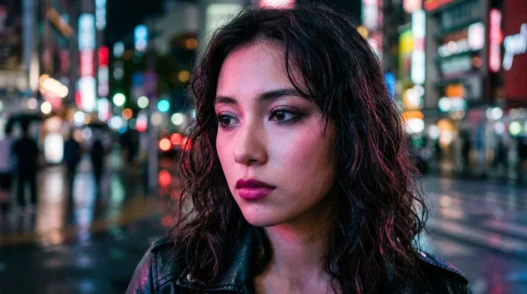
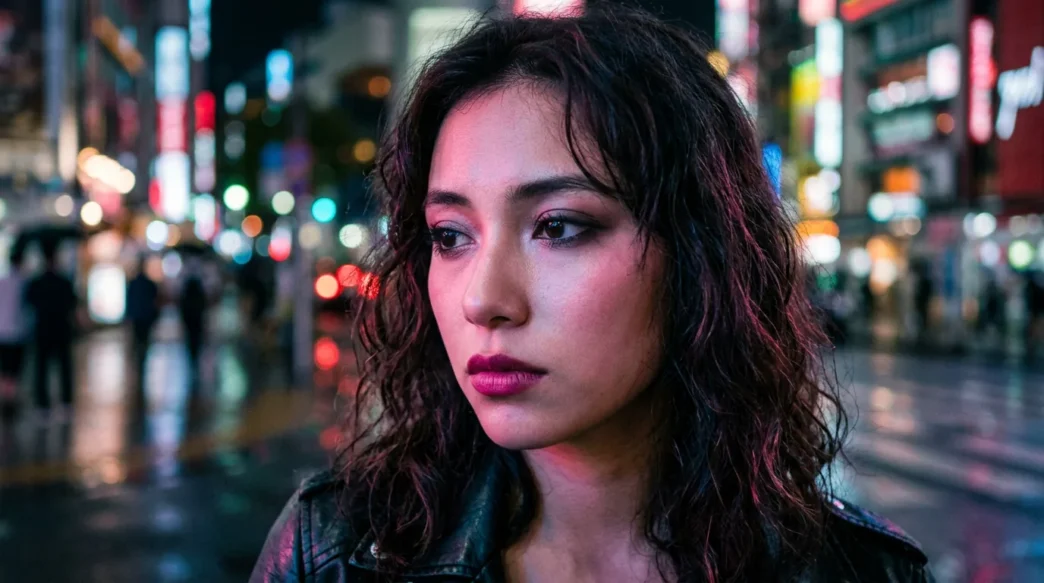
I spent the first half of 2026 completely obsessed with douyin makeup tutorials, trying to master those razor-sharp eyeliner flicks and gradient lips. Then my Korean friend introduced me to her 12-step morning routine, and I found myself torn between two completely different beauty philosophies. One celebrates bold graphics and Instagram-ready drama. The other whispers promises of glass skin and effortless perfection.
What You’ll Find In This Comparison
What Makes Douyin Makeup Different
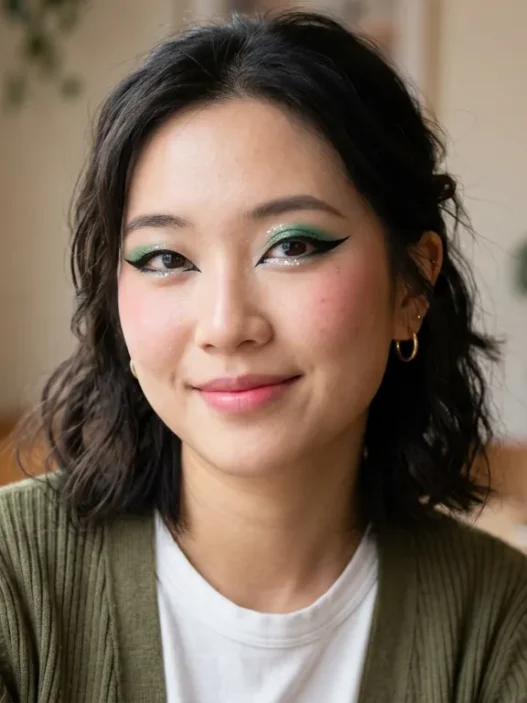
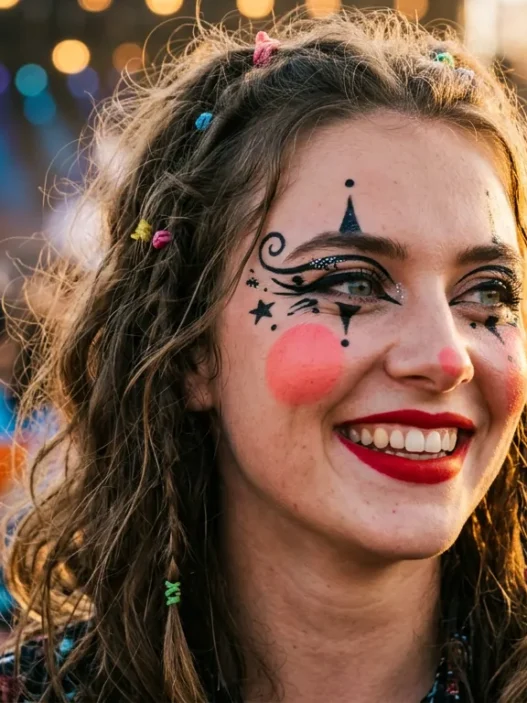
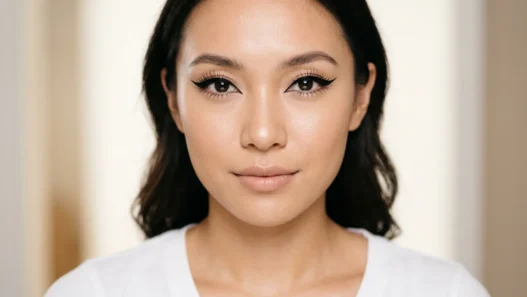
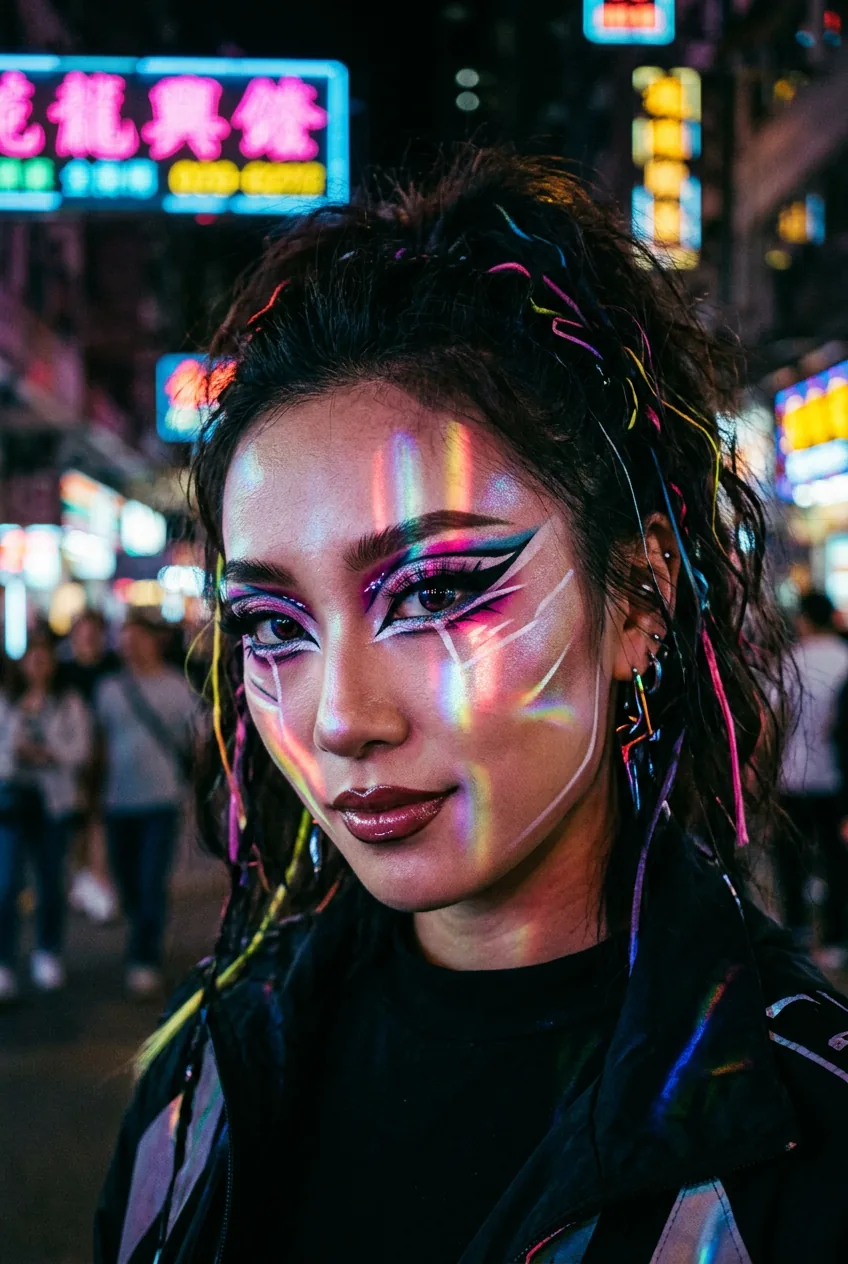
Douyin makeup doesn’t apologize for being seen. The whole philosophy centers around creating looks that photograph beautifully and make statements. Think sharp winged eyeliner that could cut glass, gradient lips that transition from deep berry at the edges to glossy pink in the center, and blush placement that follows unconventional rules.
What I love most about this approach? It treats makeup as art, not correction. The techniques I learned from douyin creators completely changed how I think about color placement. That under-eye blush trend that went viral? Pure genius for making eyes look larger and more youthful.
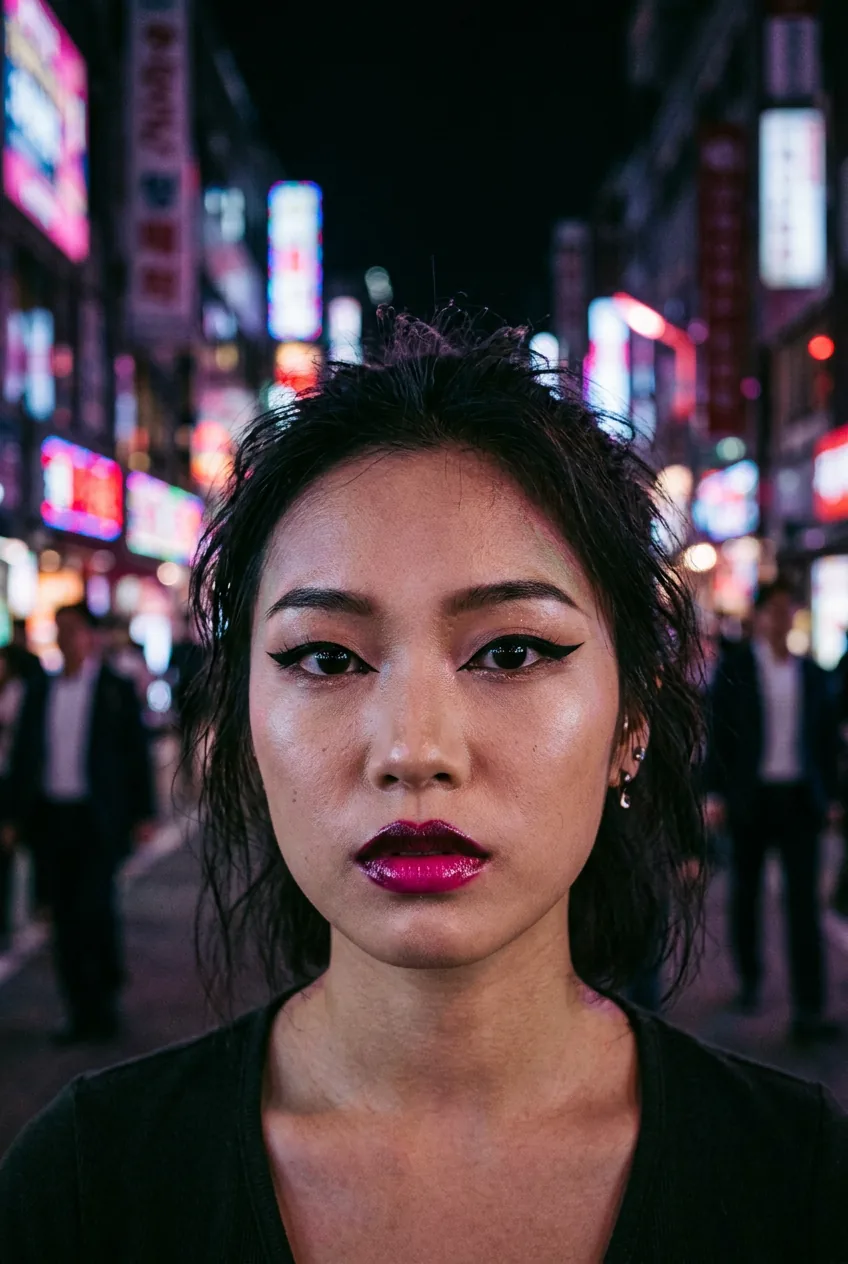
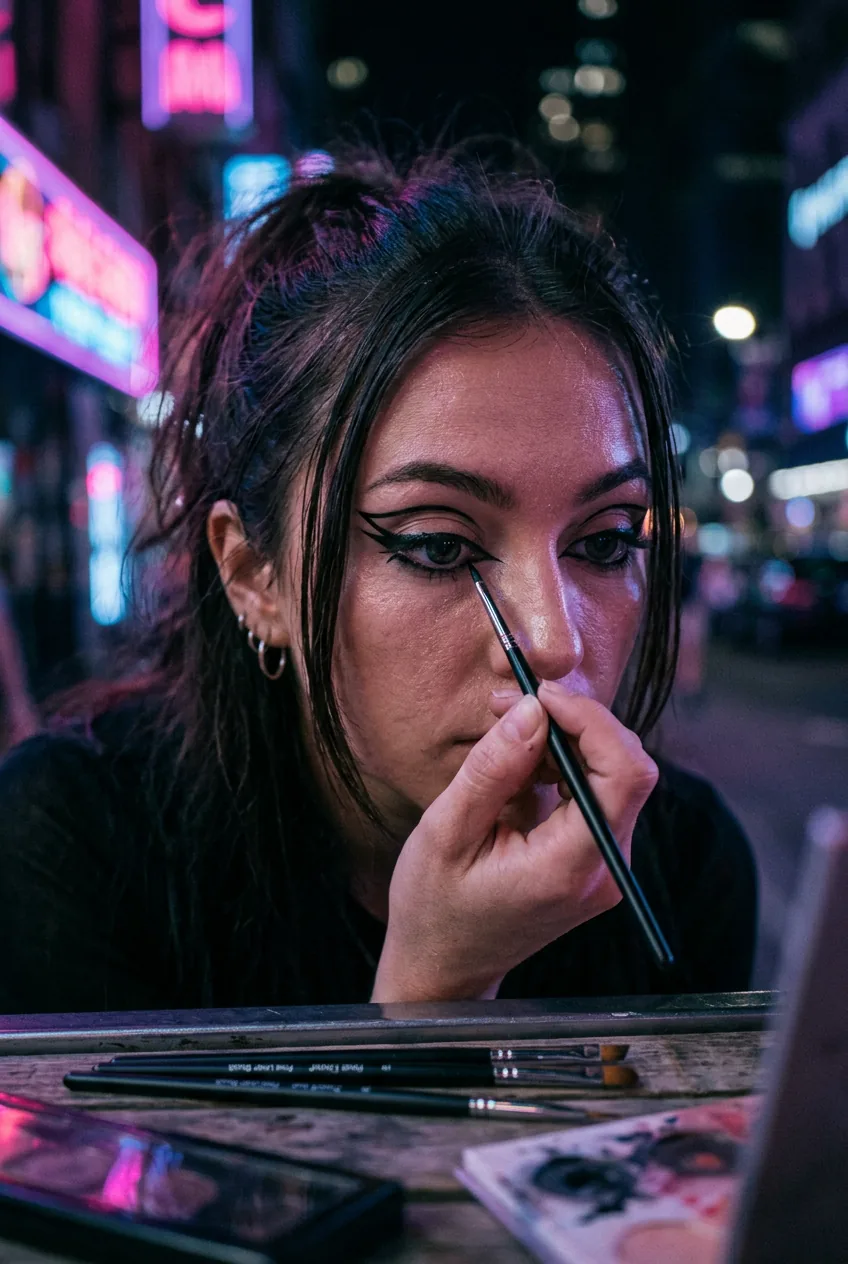
The precision required is honestly meditative. Spending twenty minutes perfecting a gradient lip taught me patience I didn’t know I had. And the confidence boost? Unmatched. There’s something powerful about wearing a look that took genuine skill to create.
But here’s what the tutorials don’t tell you — this level of precision requires serious practice. My first attempts at those signature sharp lines looked like a toddler got into my makeup bag. The learning curve is steep, and touch-ups throughout the day are basically impossible without starting over.
The Case for Traditional K-Beauty
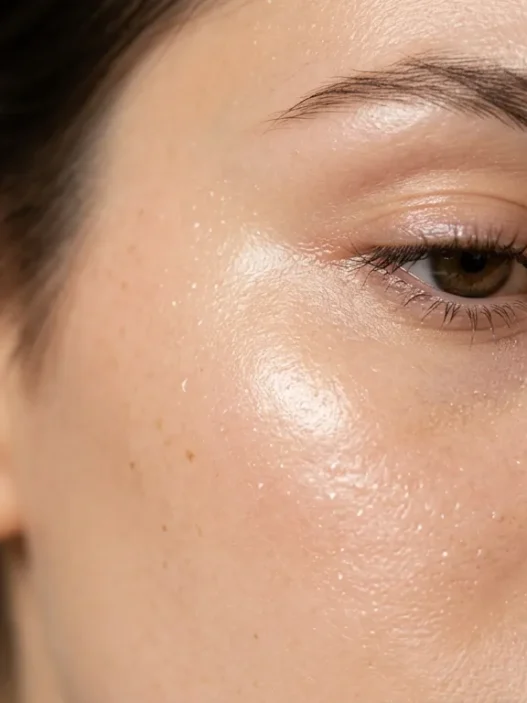
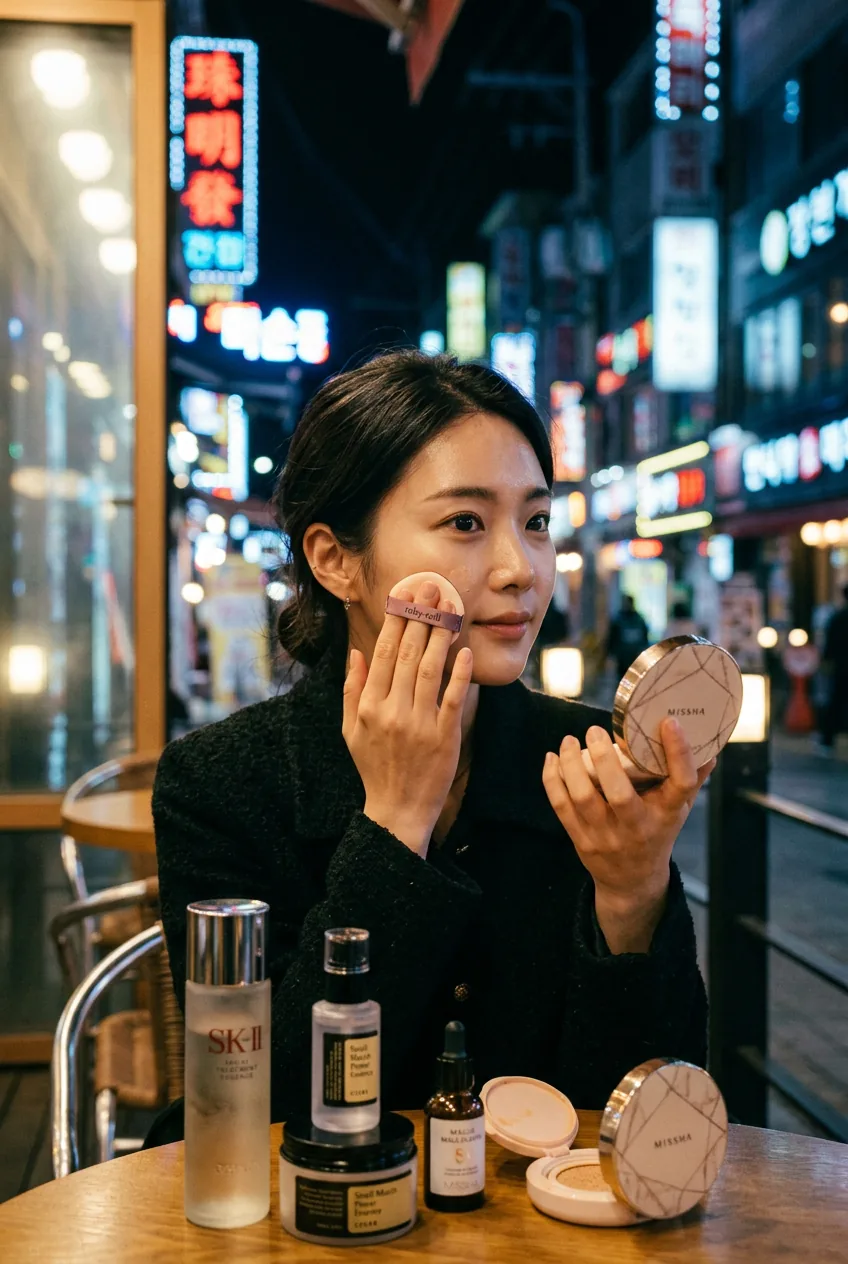
Korean beauty philosophy takes the complete opposite approach — it’s all about enhancing what you already have rather than creating something entirely new. The goal is skin so perfect it looks like you’re naturally glowing from within, paired with subtle enhancements that could pass for your real features on a really good day.
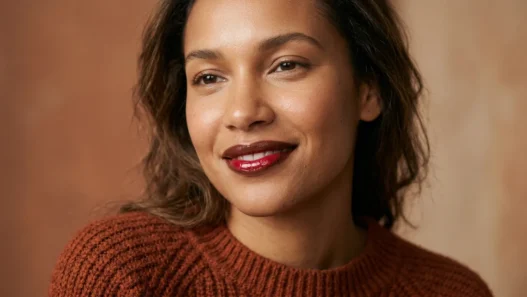
I fell hard for the Korean makeup routine because it feels sustainable. That dewy base using cushion foundations and cream blushes? It actually improves your skin over time instead of just covering it up. The gradient lip technique uses your natural lip color as the base, so even when it fades, you still look put-together.
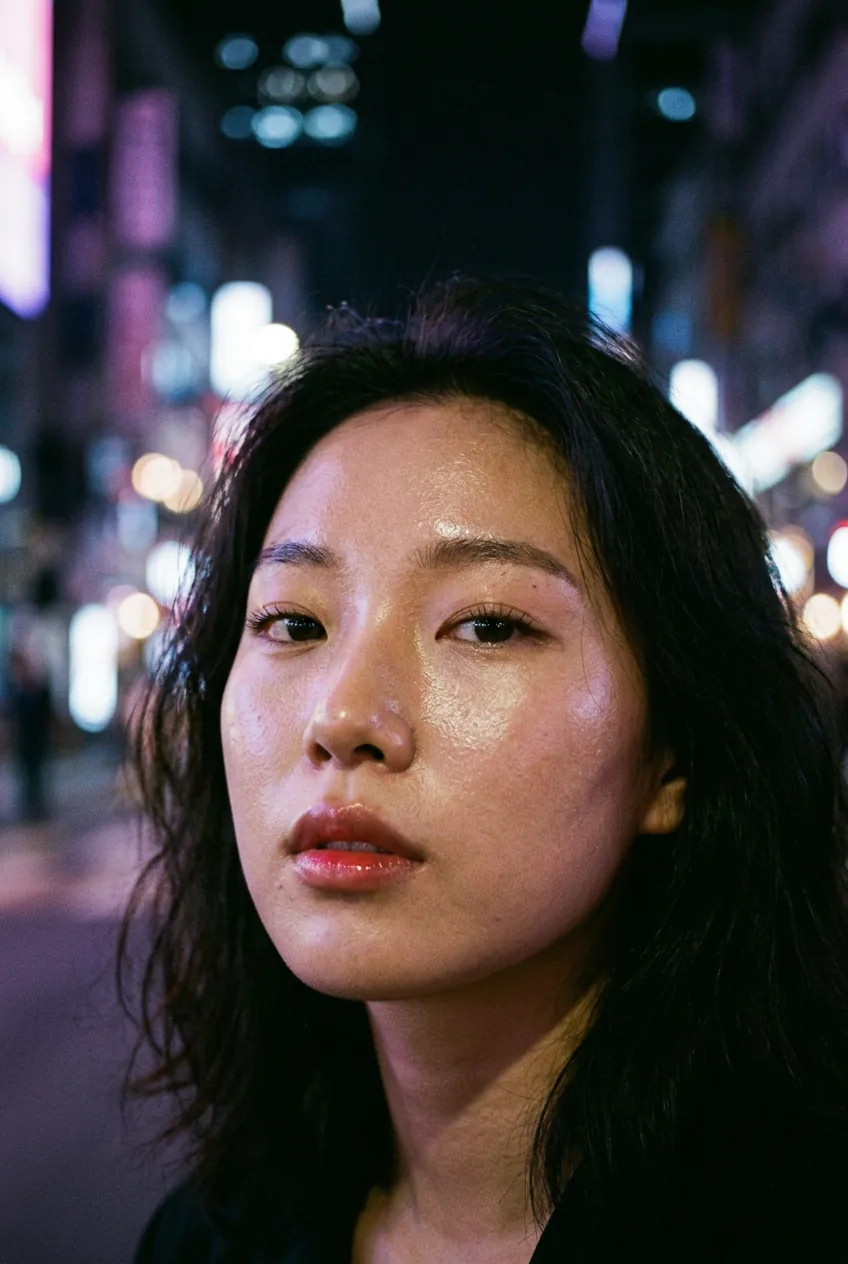
The time investment pays dividends differently than douyin makeup. Yes, the skincare routine is lengthy, but the actual makeup application is quick and forgiving. I can touch up my cushion foundation in thirty seconds flat, and the soft definition around my eyes doesn’t require surgical precision.
What really won me over was how natural it feels. After a full day wearing K-beauty inspired looks, I’d catch myself in mirrors and think “oh good, I still look like me.” Korean skincare methods emphasize long-term skin health, which appeals to my practical side.
Where Each Style Shines
Douyin makeup owns special occasions and photography. When I want to feel dramatic and artistic, nothing beats those bold graphic elements. The techniques translate beautifully to evening looks, and the Instagram photos are undeniably stunning. It’s makeup as performance art.
For creativity and self-expression, douyin style wins hands down. The color combinations push boundaries in ways that expanded my comfort zone. Who knew orange blush could look editorial instead of accidentally clownish? The gradient lip technique alone taught me more about color theory than art school.
But K-beauty dominates daily wearability. For work meetings, coffee dates, or any situation where I want to look polished without looking “done up,” the Korean approach delivers every time. The emphasis on makeup type that enhances rather than transforms makes it incredibly versatile.
The longevity factor heavily favors K-beauty too. Those cushion foundations and cream products actually improve throughout the day, settling into a more natural finish. Meanwhile, maintaining sharp douyin lines requires constant vigilance and frequent bathroom mirror checks.
Climate matters more than I expected. In humid weather, douyin makeup’s precise elements start sliding around by noon. K-beauty’s dewy approach actually works with moisture instead of fighting it, creating that coveted natural glow even when you’re slightly sweaty.
Watch Both Techniques in Action
My Personal Verdict After Testing Both
After six months of alternating between both approaches, I’ve landed on an unexpected conclusion — they’re not really competing for the same space in my routine. Douyin makeup became my weekend and special occasion go-to, while K-beauty techniques handle my everyday needs.
The real revelation came when I started combining elements from both. Using Korean skincare as my base, then adding douyin-inspired graphic elements when I want drama, creates looks that feel uniquely mine. That monochrome makeup approach from K-beauty provides the perfect canvas for douyin’s artistic flourishes.
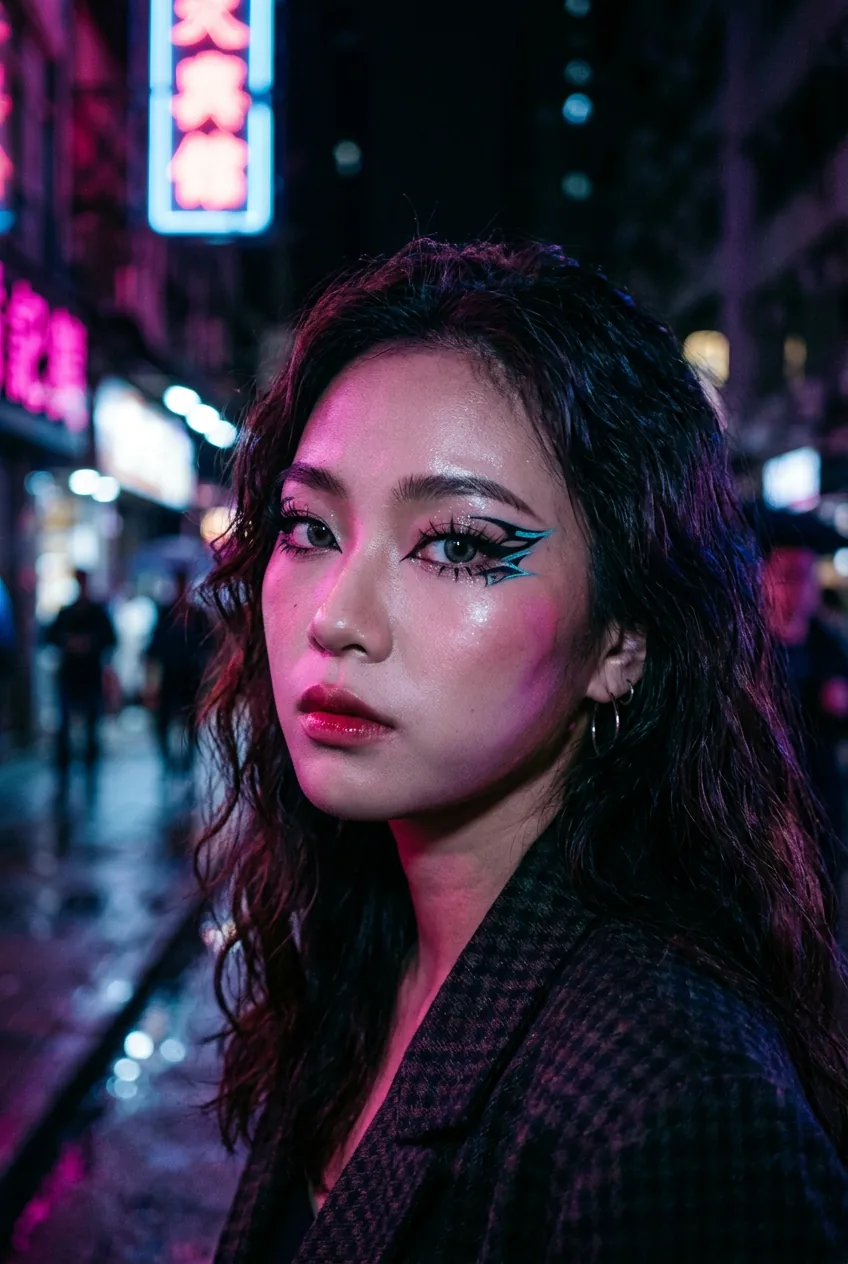
If forced to choose just one? K-beauty wins on practicality, but douyin makeup changed how I think about creative expression through cosmetics. The technical skills I learned from douyin tutorials made me better at all makeup application, even the subtle Korean-inspired looks.
My advice? Start with Korean techniques to master the basics of skin preparation and natural enhancement. Once you’re comfortable there, experiment with douyin elements to push your artistic boundaries. Both approaches have valuable lessons, and the best makeup routines steal shamelessly from multiple sources.
The beauty world is big enough for both philosophies. Some days call for glass skin and whispered elegance. Others demand sharp wings and gradient lips that stop traffic. Why limit yourself to just one when you can master both?