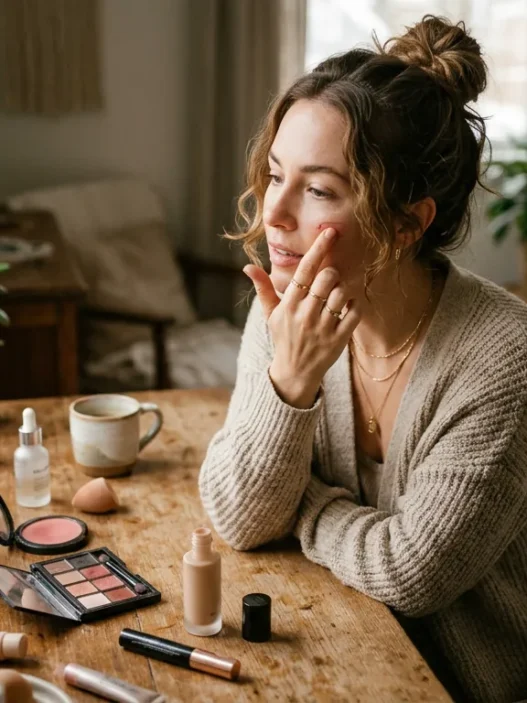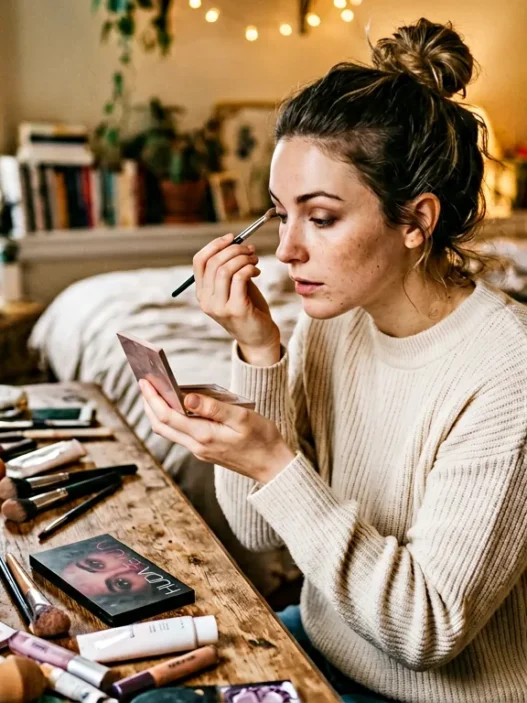

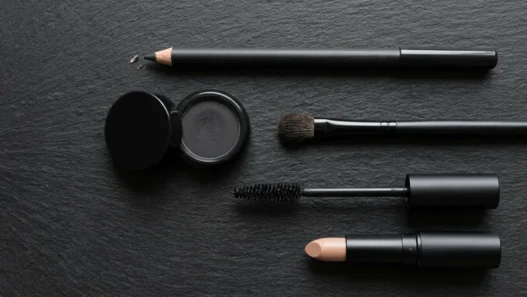

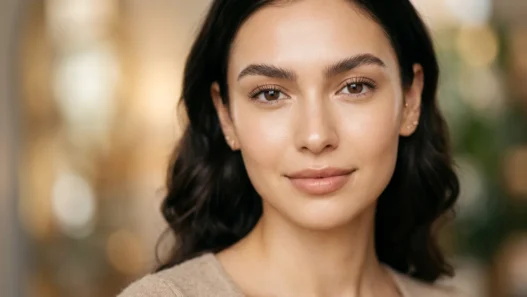




I used to think natural makeup meant slapping on some tinted moisturizer and calling it a day. For years, I’d look in the mirror feeling disappointed because my “natural” look somehow made me appear washed out and tired. It wasn’t until I started questioning everything I’d been taught about effortless beauty that I realized most advice about natural makeup is completely backwards.
The beauty industry has sold us this idea that natural makeup should be barely there, almost apologetic. But here’s what I’ve learned: truly natural-looking makeup requires intention, technique, and yes — sometimes more product than you think.
The Myth That Natural Means Invisible
Here’s the biggest lie: that natural makeup should be so subtle it’s practically nonexistent. I spent my twenties applying foundation so sheer you could barely tell I was wearing any. The result? I looked exactly like I wasn’t wearing makeup — which meant I looked tired, uneven, and frankly, not my best.
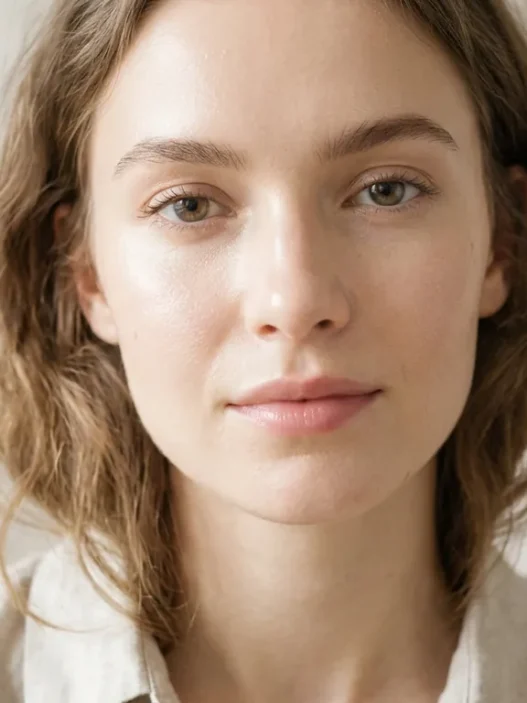
Real natural makeup enhances what you already have. It’s not about hiding the fact that you’re wearing makeup; it’s about making your features look like the best possible version of themselves. When someone compliments your “natural glow,” they’re not seeing bare skin — they’re seeing skillfully applied makeup that works with your features instead of against them.

The difference is strategic placement and the right undertones. Natural doesn’t mean invisible — it means everyday natural looks that genuinely improve how you feel in your skin.
Why ‘No-Makeup Makeup’ Is Terrible Advice
“No-makeup makeup” sounds dreamy in theory. In practice, it’s a recipe for looking like you haven’t slept in days. I’ve watched countless friends try to achieve this mythical look by using barely any product, then wonder why their complexion looks flat and lifeless.
The truth? What we call “no-makeup makeup” actually requires strategic use of multiple products. You need a good base that matches your undertones perfectly, concealer where you actually need it (not everywhere), and subtle color that mimics what your features naturally do on your best days.
Think about it: when you see celebrities with “effortless” natural makeup, they’ve had professional makeup artists spend an hour creating that look. Professional application techniques involve layering products strategically, not skipping them entirely.
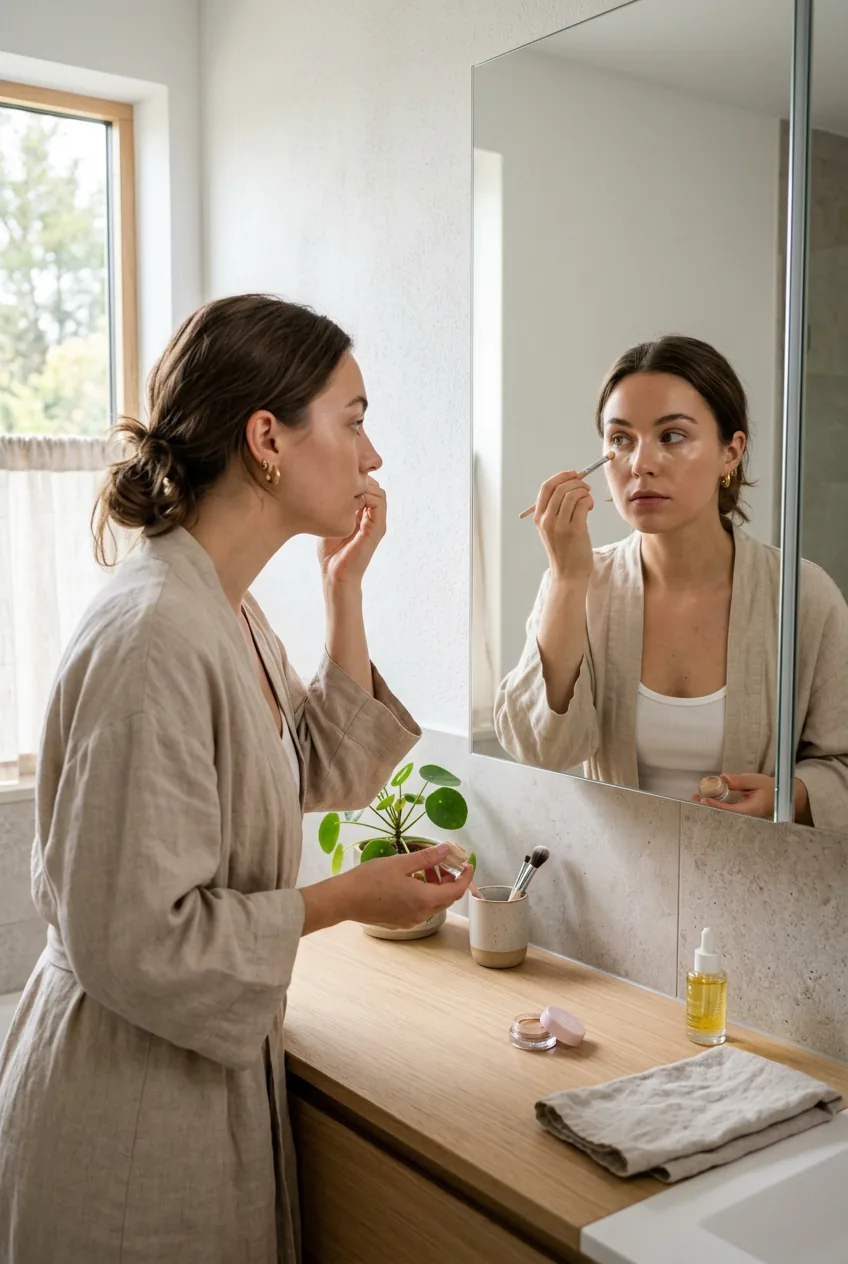
Instead of aiming for no-makeup makeup, aim for “my skin but optimized.” That’s a completely different goal with much better results.
The Foundation Color Matching Lie
Raise your hand if you’ve been told to match foundation to your wrist or the back of your hand. I did this for years before realizing it’s possibly the worst color-matching advice ever invented. Your wrist is typically lighter than your face, and the back of your hand? Often a completely different undertone.
Here’s what actually works: match foundation to your neck and chest area. Better yet, understand that your face might naturally be slightly different from your neck — and that’s okay. The goal isn’t perfect matching; it’s creating seamless transitions between your face, neck, and décolletage.
I learned this lesson the hard way when I realized my “perfectly matched” foundation made my face look like it belonged to someone else. Now I test foundation along my jawline in natural light, and I’m not afraid to mix two shades if needed. Sometimes the most natural look comes from custom-blending products.
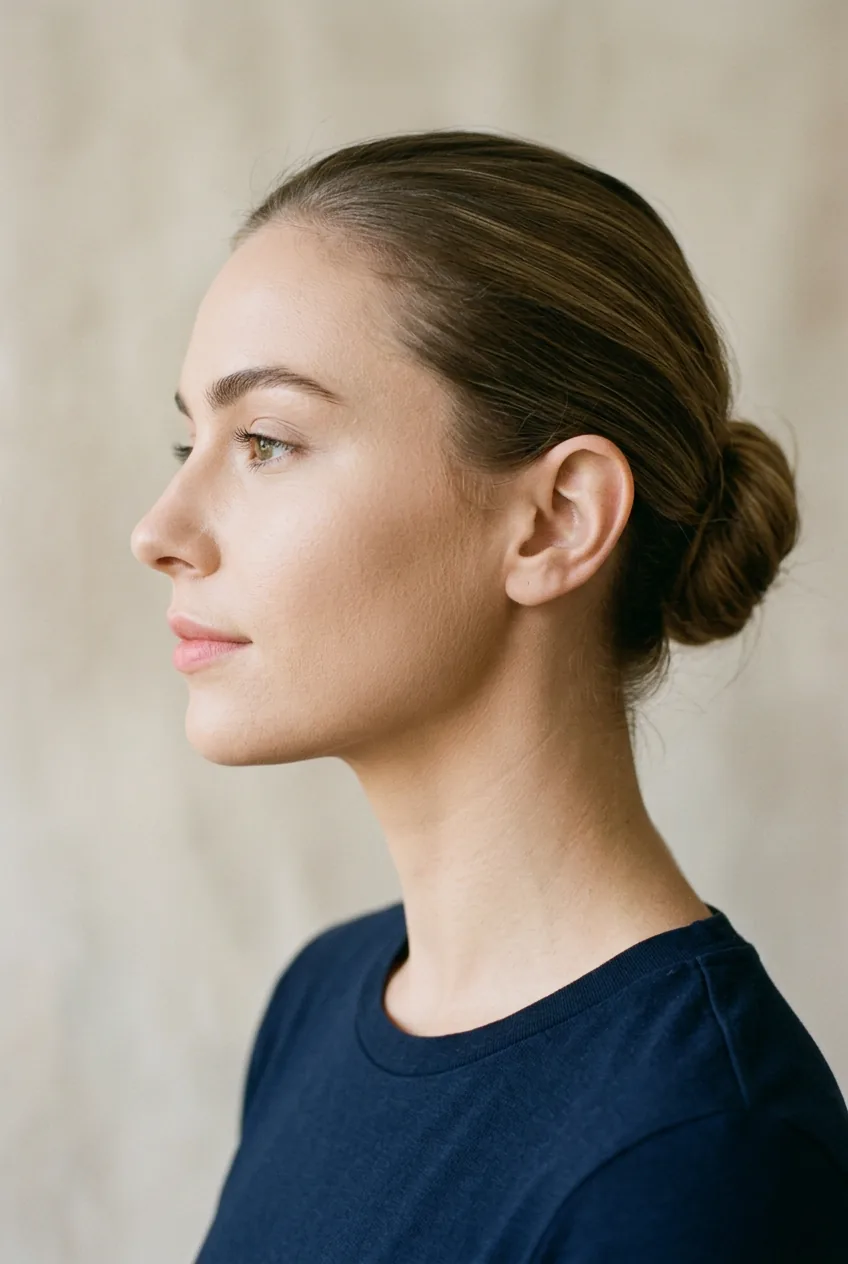
And here’s something nobody talks about: your face changes color throughout the day. Morning light, office fluorescents, evening lighting — they all affect how your foundation looks. Foundation shade selection involves understanding these variables, not just finding one “perfect” match.
The Truth About Shimmer and Glow
I used to think shimmer was the enemy of natural makeup. Matte everything, all the time — that was my rule. But then I realized I was making myself look flat and one-dimensional in the name of looking “natural.”
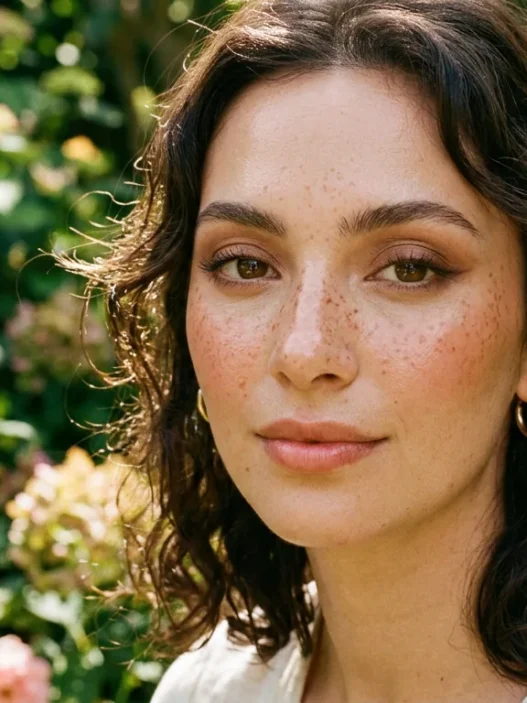
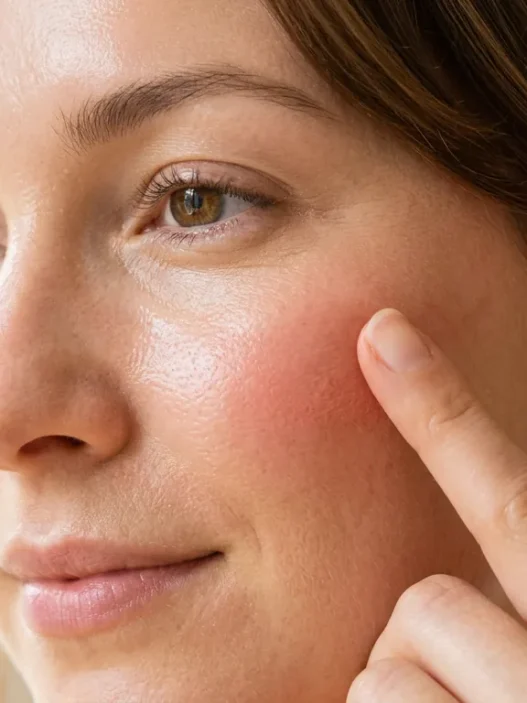
Real skin has natural luminosity. It reflects light. It has subtle variations in texture and finish. When you go completely matte everywhere, you’re actually creating a look that’s less natural than strategically placed shimmer.
The key is understanding the difference between shimmer and glitter, between glow and sparkle. Natural-looking luminosity comes from products with very fine particles that mimic skin’s natural oils and moisture. Think dewiness, not disco ball.
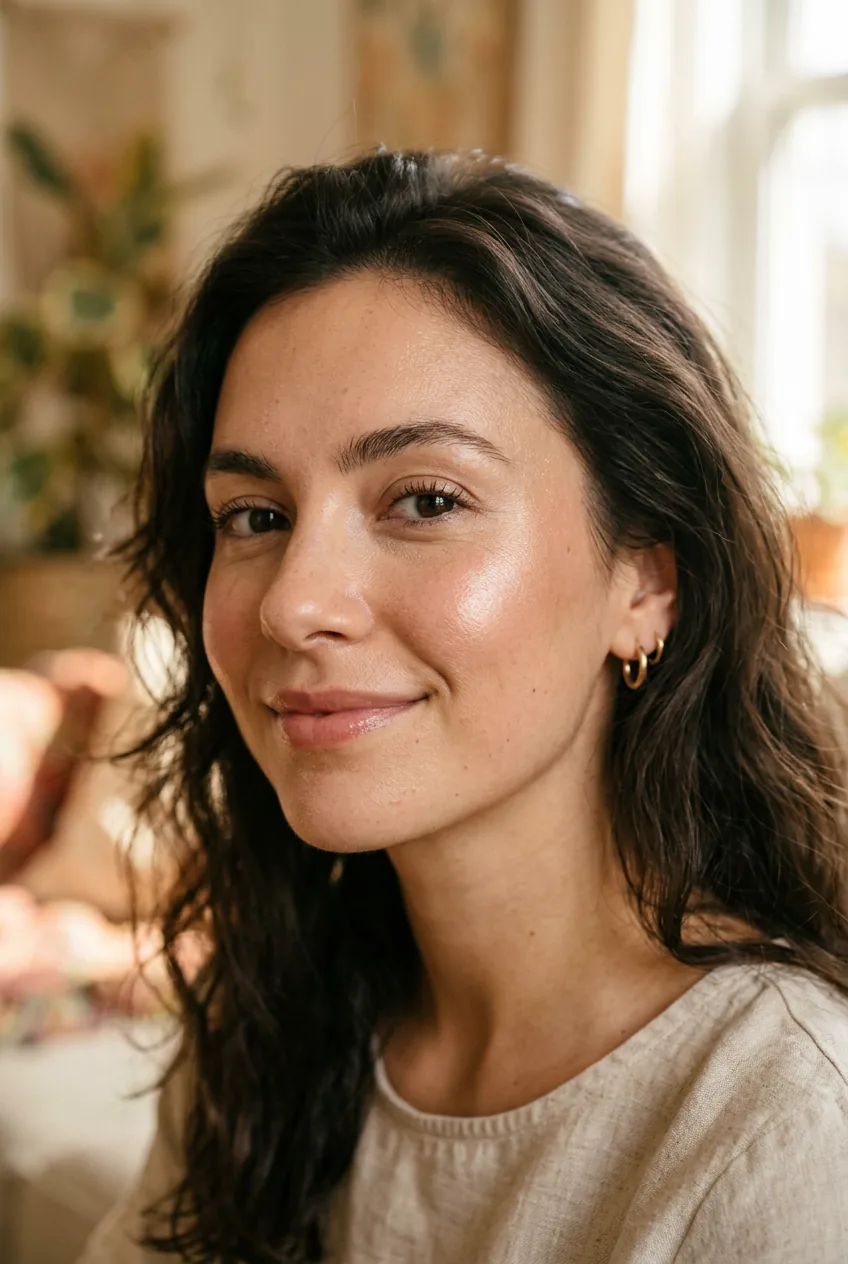
I now use cream highlighter on my cheekbones, a tiny bit on my nose, and sometimes even mix a drop of facial oil into my foundation. The result looks like I’m naturally glowing from within — because in a way, I am. This approach aligns perfectly with the soft glam makeup philosophy of enhancing rather than covering.
Why Less Product Doesn’t Equal More Natural
This might be the most counterintuitive truth I’ve learned: sometimes more product creates a more natural effect. I know it sounds backwards, but hear me out.
When you use too little concealer, you end up with patchy coverage that’s obviously makeup. When you use the right amount and blend it properly, it disappears into your skin. When you use too little mascara, your lashes look sparse and defined by the product. When you use enough and separate them properly, they look naturally full.
The secret isn’t using less — it’s using the right amount of the right products in the right way. I’ve started thinking about each product’s job: foundation creates an even canvas, concealer handles specific issues, mascara enhances lashes, blush adds life back to your face after evening everything out.
Each step serves a purpose in creating that “I woke up like this” effect. Buildable application methods allow you to layer products gradually until you achieve the perfect level of coverage.
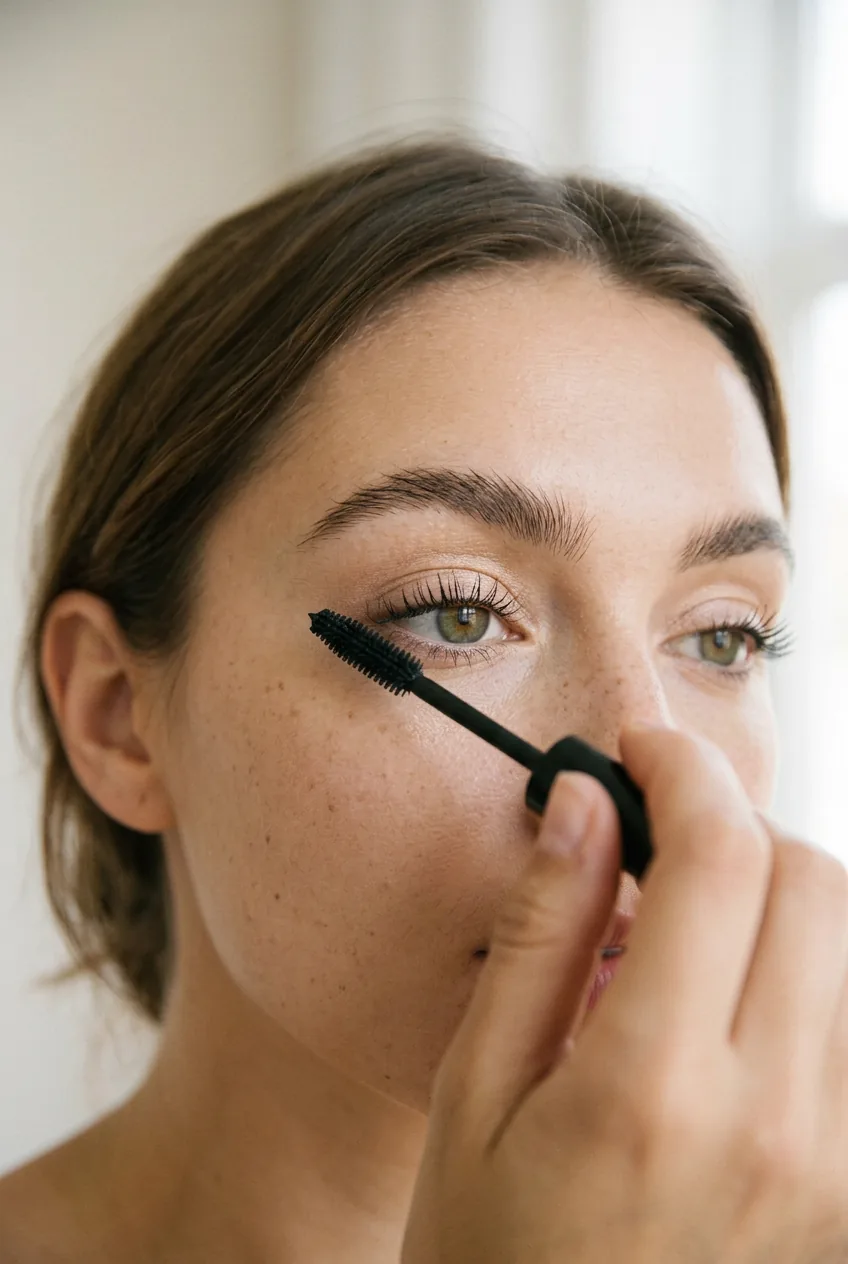
This concept extends across makeup types — from eyes to lips to cheeks. Each area needs the right amount of attention to look naturally enhanced.
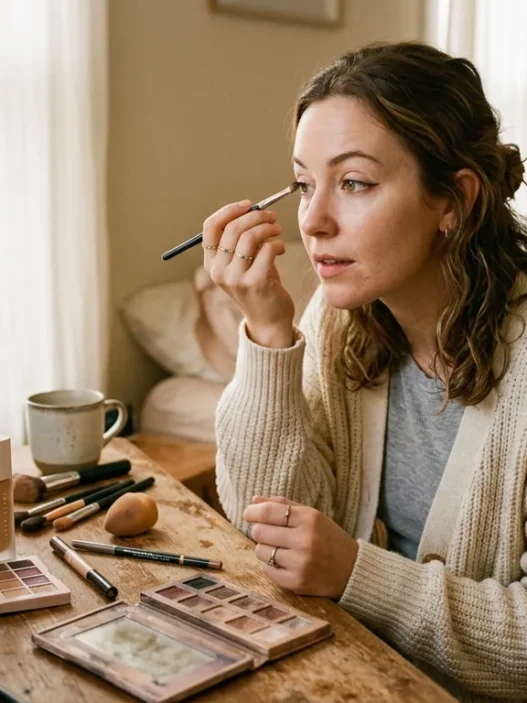
Watch This Application Technique
The Mascara Myth That’s Ruining Your Lashes
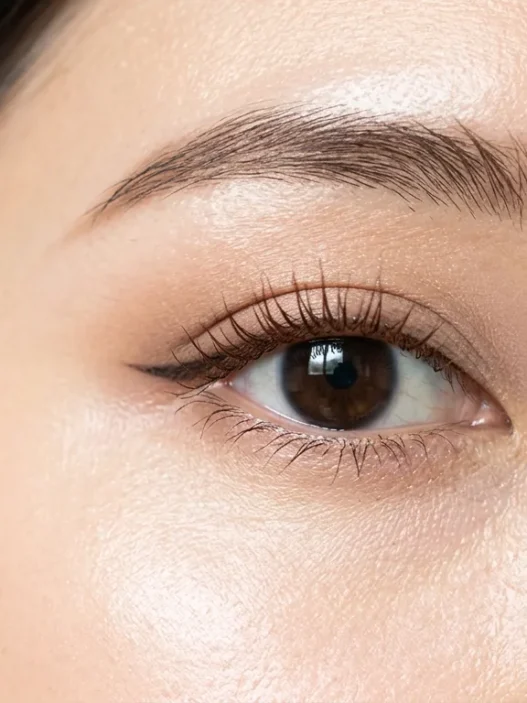
“Just one coat for a natural look.” I followed this advice religiously until I realized it was making my lashes look spidery and obviously coated. One coat of most mascaras doesn’t give you natural-looking lashes — it gives you lashes that clearly have one coat of mascara on them.
Here’s what I do now: I use a lash primer (yes, really), then build up mascara in thin layers, separating between each coat. By the third or fourth coat, my lashes look naturally full and defined rather than clumpy and obviously made-up.
The game-changer was learning to wiggle the wand at the roots and then sweep through the lengths. This creates separation and lift that mimics what naturally gorgeous lashes look like. And I never skip my bottom lashes — a light coat there opens up my entire eye area.
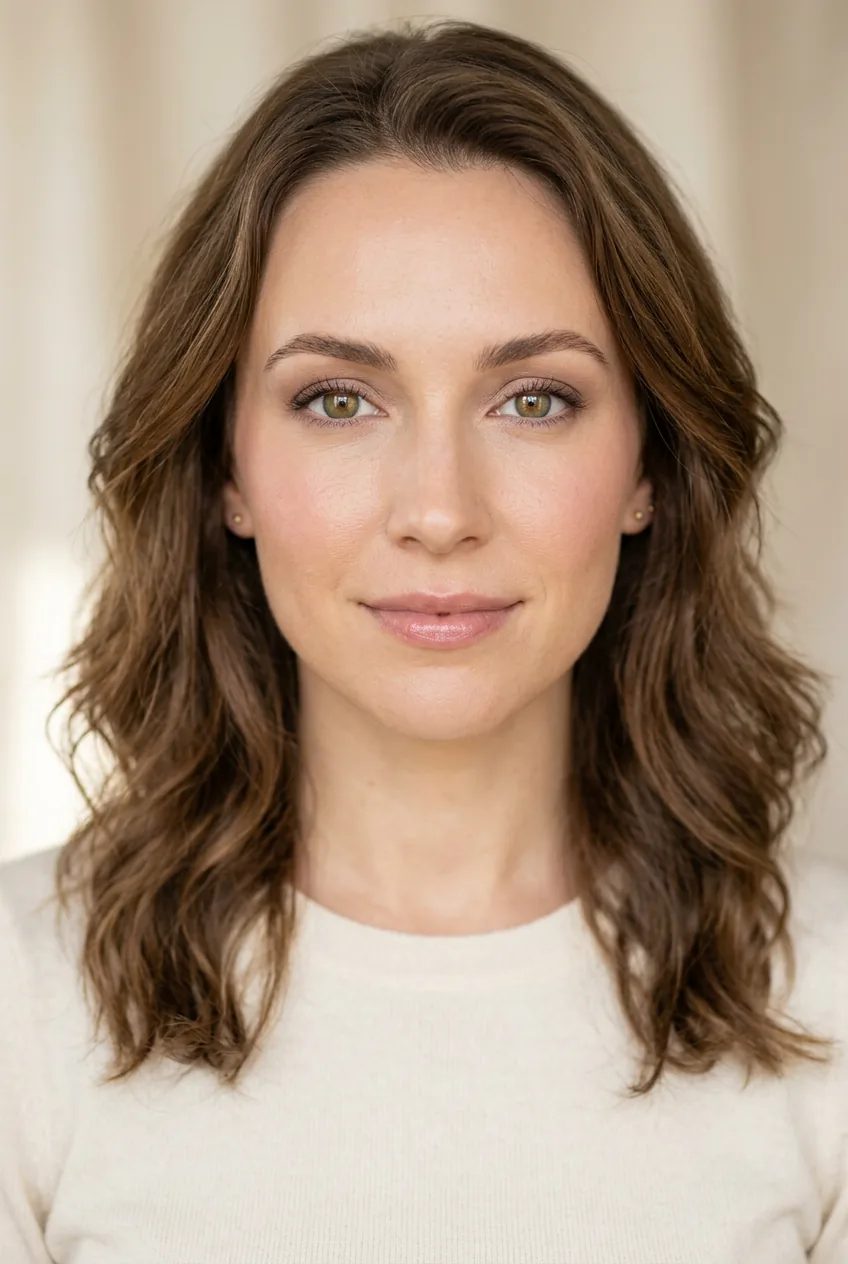
The goal isn’t minimal mascara; it’s masterful mascara application. When done right, people assume you have naturally amazing lashes. When done wrong (hello, single coat), people assume you’re wearing mascara but not doing it well.
Natural makeup isn’t about following arbitrary rules about how little you should use. It’s about understanding your features, working with your natural coloring, and using products strategically to enhance rather than mask. Some days this means more product, not less. Some days it means shimmer instead of matte. And sometimes, it means throwing out everything you thought you knew and starting fresh.
The most natural thing you can do is learn what actually works for your face, not what works in theory. Trust me — your future self will thank you for questioning everything.
Questions I Get About Natural Makeup
How long should natural makeup take to apply?
A good natural makeup routine should take 10-15 minutes once you’ve got your technique down. The key is having the right products and knowing your face well enough to work efficiently.
Can I wear natural makeup to special events?
Absolutely! Natural makeup can be elevated for special occasions by intensifying the application slightly or adding strategic shimmer. It’s about enhancing your natural beauty more dramatically, not changing your entire approach.
What’s the biggest mistake people make with natural makeup?
Using too little product and thinking that equals natural. The biggest mistake is believing natural means minimal rather than strategic. Proper application techniques matter more than the amount of product.
Do I need expensive products for natural makeup?
Not at all. Some of my favorite natural makeup products are drugstore finds. The key is finding formulas that work with your skin type and learning proper application techniques, regardless of price point.