






I blame TikTok. Specifically, I blame one very confident creator who blended a cherry-red nose, graphic white liner, and exaggerated blush into something that looked genuinely cool — not costumey, not sad, just cool. I screenshotted it at midnight and told myself I’d try it “soon.” Soon turned into a full weekend experiment involving four different face paints, two costume-store liners I deeply regret purchasing, and one very confused trip to the farmer’s market. This is my honest account of what happened.
What I Expected
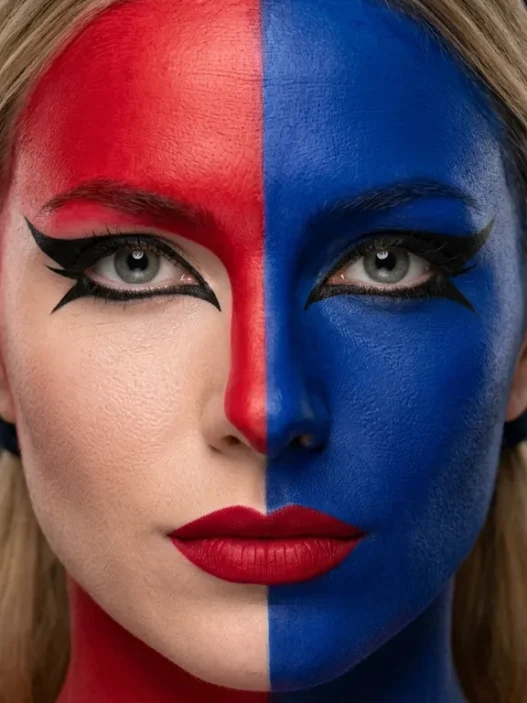
Honestly? I thought it would be easier than it looked. The reference images I saved showed extreme exaggeration — oversized blush circles that melted into graphic liner, bold primary colors stacked against pale skin, lips that stretched beyond the natural lip line. But the artists making them look effortless had clearly spent years developing that effortlessness. I figured I could get a passable version in under an hour.
I also expected the biggest challenge to be color. Bold primaries are intimidating when you’re used to neutral eyeshadow palettes and a swipe of tinted balm. But I’d been experimenting with monochrome makeup looks for a few months, so I felt like I had some color confidence. Turns out, knowing how to wear one bold color at a time does very little to prepare you for wearing six of them simultaneously.
My shopping list going in: white face paint base, a pigmented red cream product, an oversized blush, graphic liner in at least two colors, and something to seal it all. I had most of this from a Halloween experiment I did last year, which you can read more about if you’re curious — the write-up on playful Halloween makeup on this site genuinely changed how I thought about my face as an actual canvas rather than just a surface to look presentable.

How It Actually Went
Day one was a disaster. Not a fun, photogenic disaster — a genuinely demoralizing one. The white face paint I had was chalky and patchy, and everything I layered on top of it either slid around or looked muddy within twenty minutes. The red on my nose looked less “editorial clown” and more “bad sunburn.” I took it all off after forty-five minutes and ordered better products online.
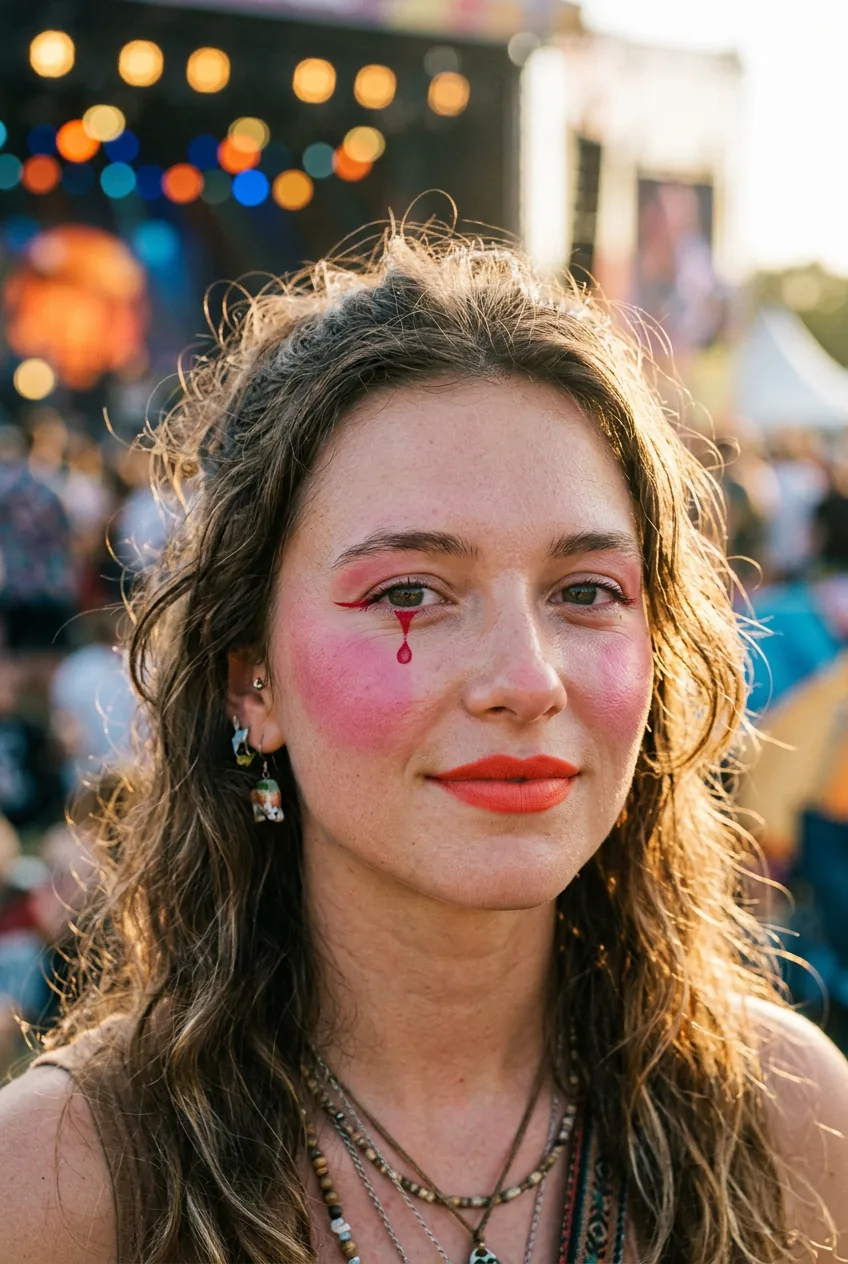
Day two was different. With a proper cream-based white paint, a setting spray, and actual patience — something I chronically underestimate as a requirement — the look started coming together. The key shift I made was treating the white base like a primer, letting it set fully before adding anything on top. That alone changed everything. I also stopped trying to replicate what I’d seen exactly and just played. A rounded blush circle in coral-pink on each cheek. A thin red teardrop under my left eye. Liner that curved upward past my brow.
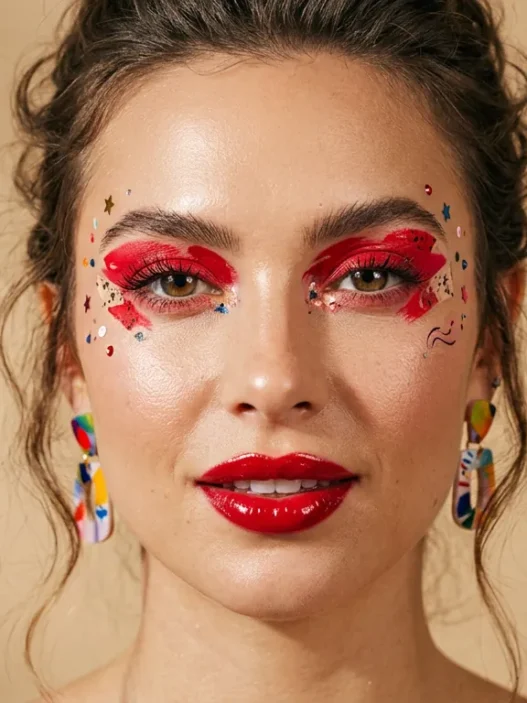
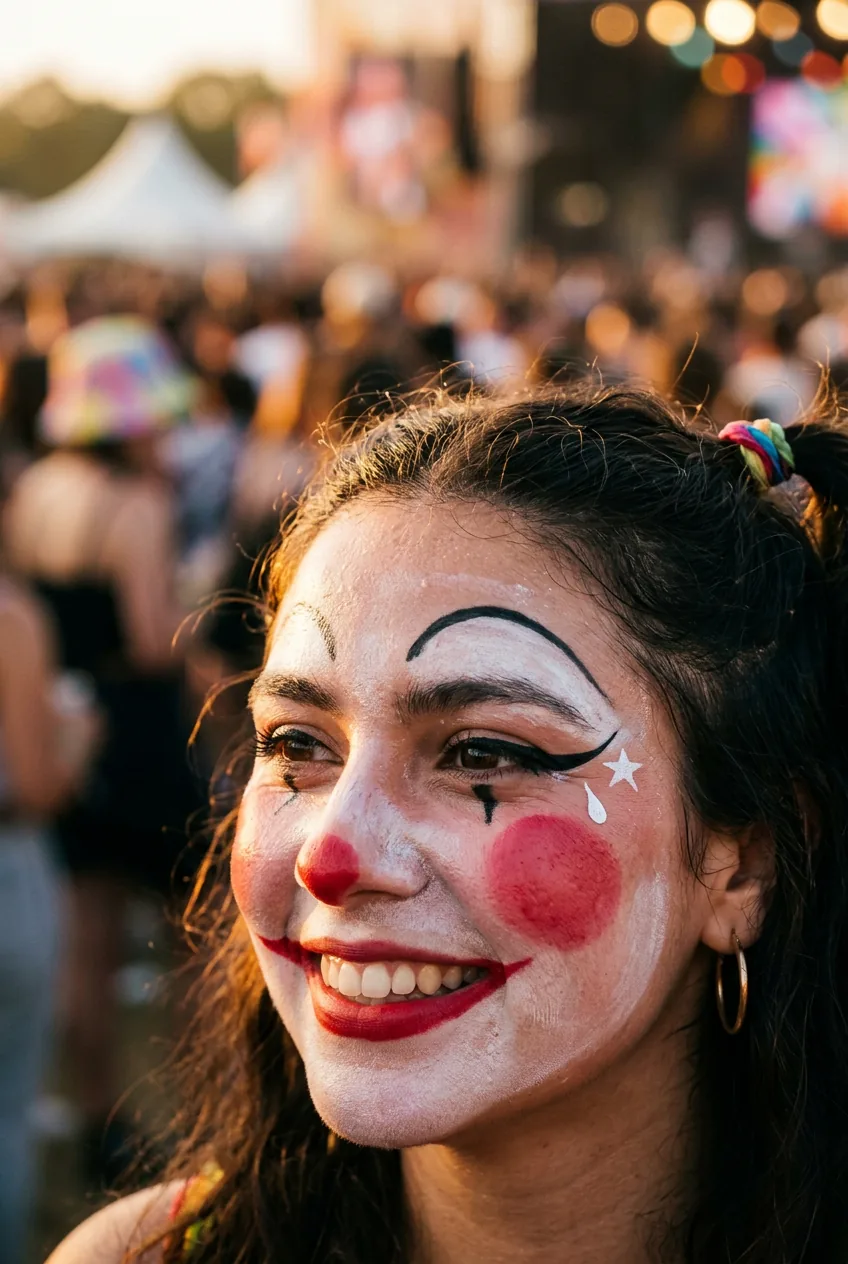
The woman in the photo below is wearing something close to what I landed on by the third attempt — see how the blush placement sits high and round, almost cartoonish but still readable as a makeup choice rather than a mistake? That’s the balance I was chasing. It took me considerably longer than it looks like it took her.
I also leaned heavily into the techniques I’d picked up from posts about Halloween makeup that rewards patience — specifically, building color in thin layers rather than packing it on. The instinct when you’re going bold is to go all in immediately. That instinct is wrong. Thin layers, let each dry, then decide whether to go bolder.
A Tutorial That Finally Made It Click for Me
The Good and the Annoying
Let me break this down clearly, because it genuinely has both sides.
What’s actually great about it
- It’s genuinely freeing. There’s something about choosing to look “wrong” by conventional standards that removes all the pressure of looking “right.” Once I committed to the over-lined lips, I stopped caring about every other small imperfection.
- The skills transfer. Color layering, face paint blending, understanding how pigments interact — all of it applies to more wearable looks. My regular blush placement improved after this experiment.
- The photos are incredible. Not going to pretend otherwise. Even my mediocre attempt photographed in a way that looked intentional and interesting.
- It’s a real technique. Learning to work with cream products, set with powder, and seal with spray has applications way beyond clown makeup. It’s a legitimate foundation for theatrical makeup artistry, and you can find proper guidance on applying cream face paint to get a head start.
What annoyed me
- Removal takes forever. I used micellar water, an oil cleanser, and a face wash, and I still found red pigment near my hairline the next morning.
- Product quality matters enormously. Cheap face paint is not a substitute for actual cosmetic-grade cream pigment. The difference is night and day, and the cheap stuff creased within the hour.
- You need time. My first successful look took two and a half hours. That’s not casual. That’s a commitment.
- People will stare. I wore a toned-down version out — minimal nose circle, exaggerated blush, regular lips — and still got long looks at the grocery store. You have to be okay with that.
My Unpopular Opinion About This Trend
Here it is: I think clown makeup is one of the most technically educational things a makeup enthusiast can try, and I also think most of the “clown makeup” content circulating online in 2026 is being done by people who haven’t actually mastered the fundamentals yet — myself included, for most of my attempts.
That’s not a criticism. It’s an observation. And I think it actually makes the trend more interesting, not less. We’re all collectively figuring out how to translate theatrical technique into something that reads as fashion rather than costume. The failures are part of the process.
But here’s my genuinely controversial take: I don’t think clown makeup is for everyone, and I’m tired of the messaging that says every bold look is universally accessible to every skill level. It’s not. This requires practice, specific products, and a tolerance for looking actively strange while you learn. Saying otherwise sets people up to try it once, hate it, and never touch theatrical makeup again. That would be a shame, because this category of creative makeup skills is genuinely one of the most rewarding rabbit holes in beauty.
“The most technically interesting makeup trend right now is also the one most people try exactly once and abandon. Let’s change that.”
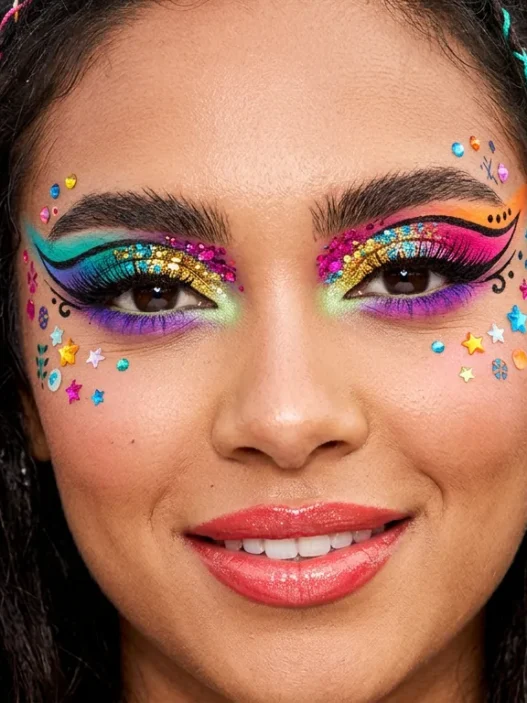
I also want to note: the clown makeup trend exists on a spectrum. At one end, you have full white-face theatrical looks with exaggerated features. At the other, you have the much more wearable “clown-inspired” approach — oversized blush, graphic liner tears, exaggerated lip shapes — which sits comfortably within the broader landscape of bold makeup types that are trending right now. If the full theatrical version intimidates you, start there. It’s still interesting. It’s still a statement.
Would I Do It Again?
Yes. Without question. But differently.
Next time I’d start with a face painting workshop or at minimum a proper video tutorial from someone who actually works in theatrical makeup. I went in too confident and paid for it with two wasted practice sessions. The techniques involved in clown makeup — particularly layering cream pigments and working with a white base — are specific enough that self-teaching by trial and error costs you a lot of product and time. Resources like the Halloween makeup looks that teach a technique roundup on this site are genuinely useful starting points because they frame the learning in terms of what skill you’re building, not just what look you’re copying.
I’d also invest in better products from the start. The cream pigments I ended up loving were from a theatrical makeup brand rather than a standard beauty retailer — they cost more, but they perform completely differently. If I’d started there instead of with the $4 Halloween kit, day one would have looked completely different.
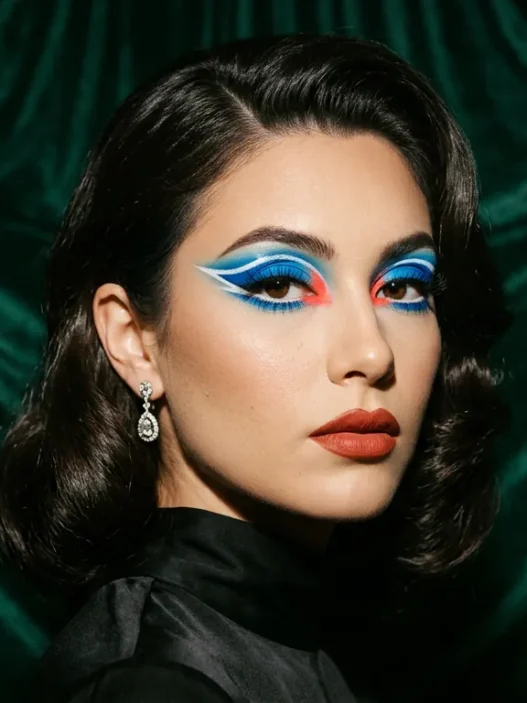
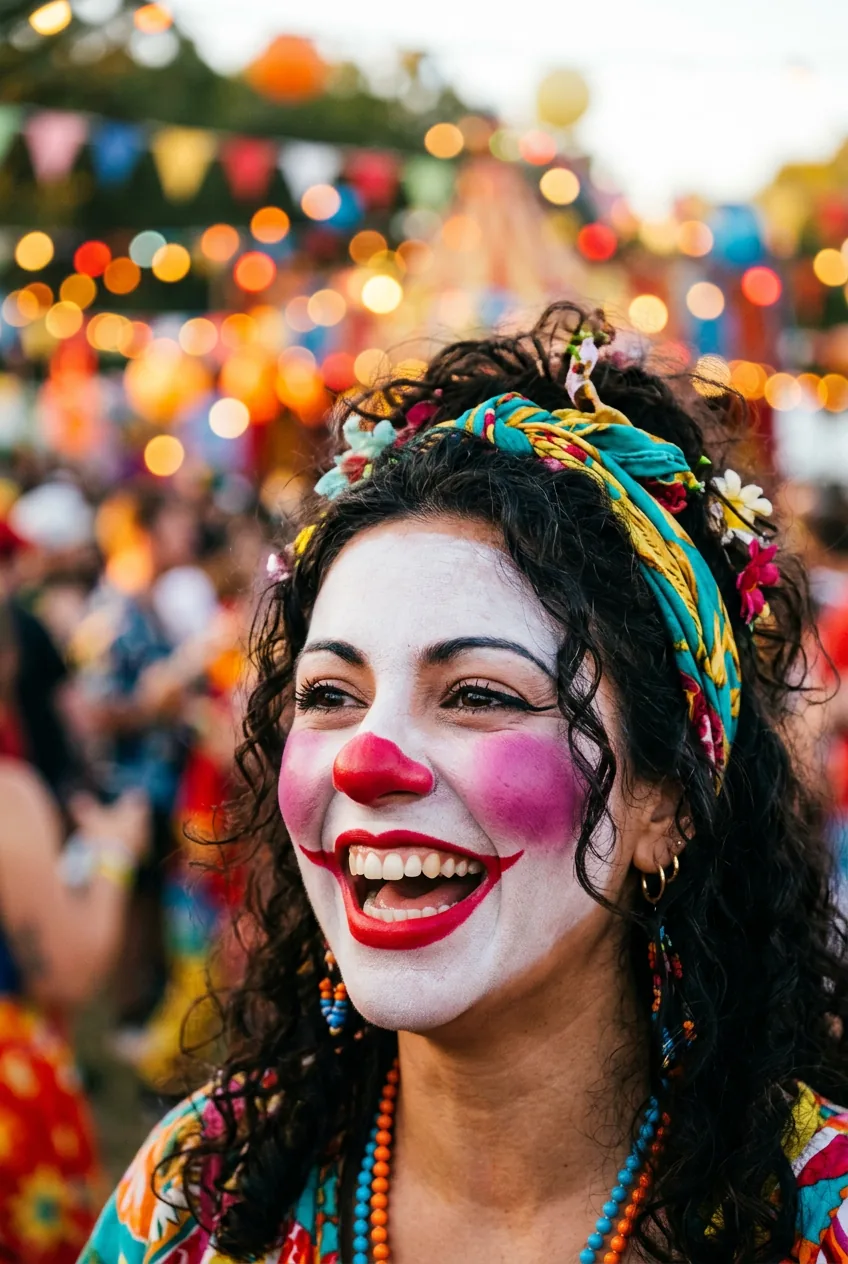
She’s wearing a version that’s a little further along the spectrum than where I ended up — look at how the liner is integrated into the blush shape in the photo, rather than sitting on top of it. That’s exactly the kind of layering technique that takes multiple attempts to get right. But she makes it look so easy. That’s the thing about a well-executed bold look: the effort becomes invisible.

My clear verdict: clown makeup as a trend is worth your time if you approach it as a skill-building exercise rather than a quick aesthetic grab. It will teach you more about color, blending, and face structure than almost any other makeup experiment I’ve done. Just don’t do it the night before you need to look normal.
Quick Answers About Clown Makeup
Do I need special products for clown makeup, or can I use regular cosmetics?
For the white base, yes — you really do need face paint or theatrical cream, not regular foundation. Regular products won’t give you the opacity or texture needed for the white coverage that makes the look work. For colored accents like blush, graphic liner, and lip color, high-pigment regular cosmetics can work surprisingly well.
How long does clown makeup actually take to apply?
Budget two hours minimum if you’re new to it — more for your first few attempts. The biggest time sink is waiting for layers to set before adding the next one, which you cannot rush without the whole thing sliding around. Experienced theatrical makeup artists can work faster, but that speed comes from repetition.
Is clown makeup wearable in everyday or public settings?
The full theatrical version? Not really, unless you’re going somewhere with a built-in creative context like a festival, art event, or Halloween. But clown-inspired makeup — exaggerated blush, over-lined lips, graphic liner details — is genuinely wearable in the right setting and reads more as bold editorial than costume. Start there if you want to dip in without full commitment.
How do I remove clown makeup without destroying my skin?
Double cleanse, always. Start with a dedicated makeup-remover oil or balm to break down the cream products, then follow with your regular cleanser. If you’ve used theatrical face paint, you may need a third pass. Don’t scrub — the pigments will come out with patience and the right oil-based remover, not friction.
If this whole experiment taught me one thing, it’s that the looks that feel the most ridiculous to attempt are often the ones that teach you the most. Clown makeup broke every habit I had about playing it safe with color. And honestly? My everyday makeup has been better for it. Go try something that scares you a little — worst case, you spend an evening with a white face and no regrets. Best case, you discover a whole side of makeup you never knew you loved. Either way, it’s a good night.